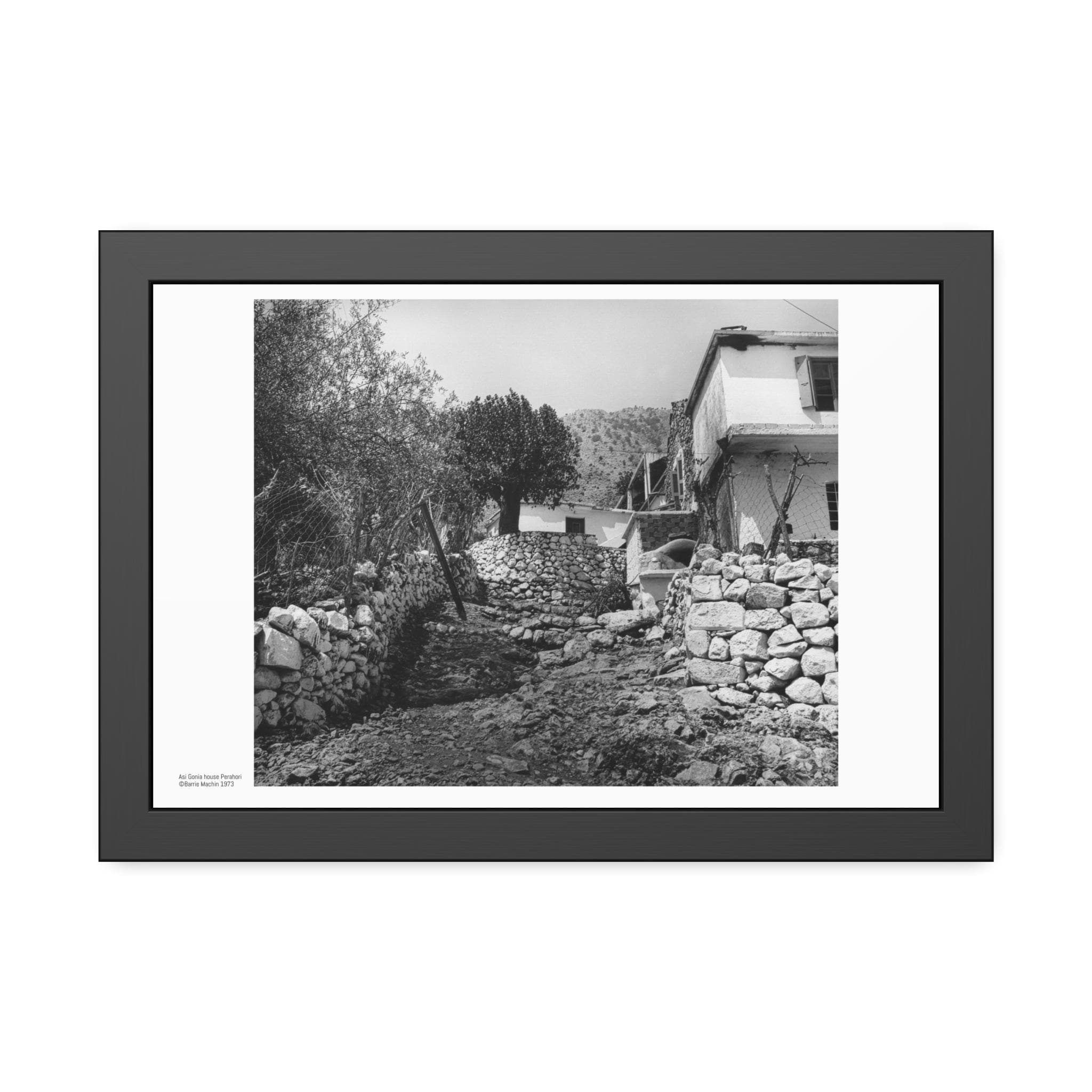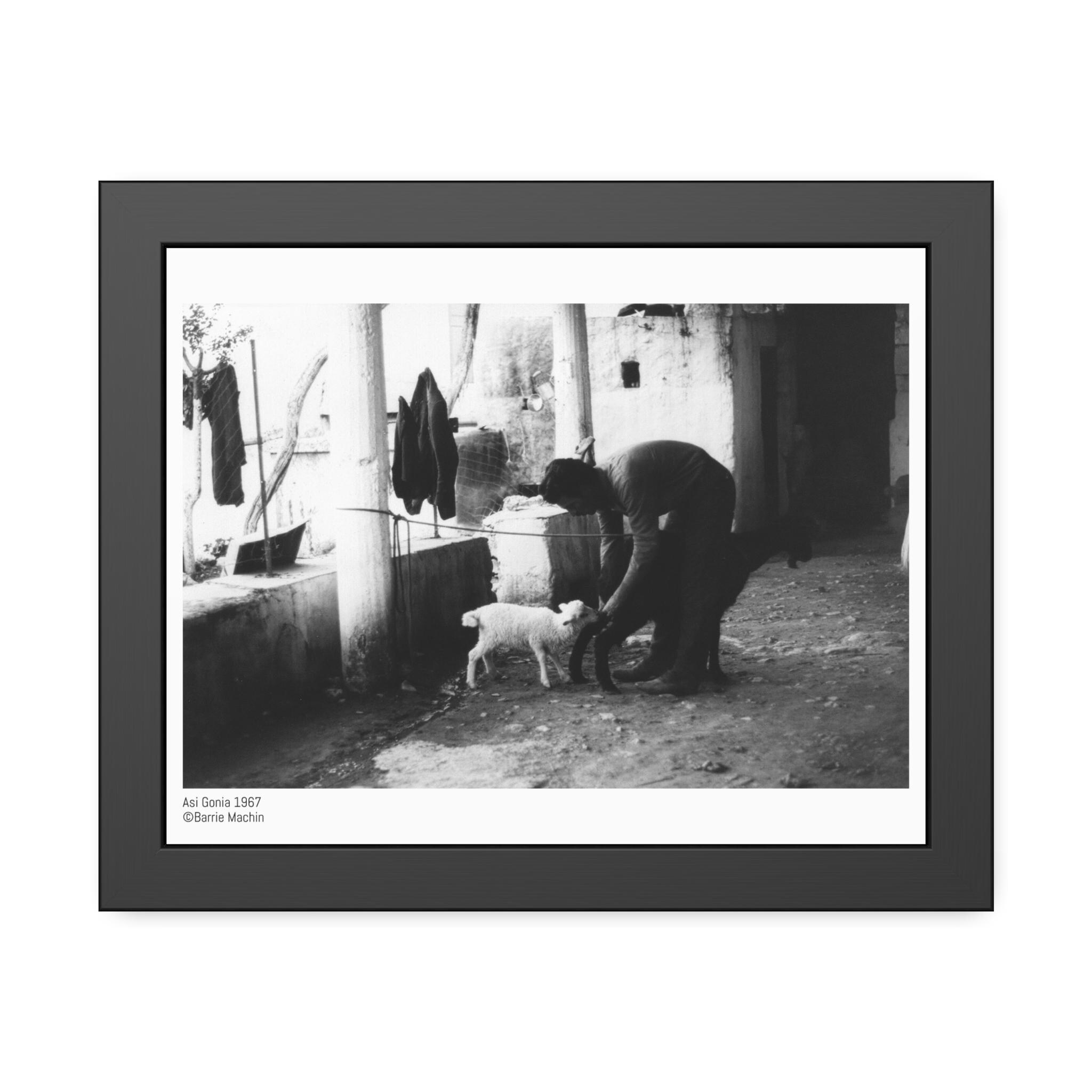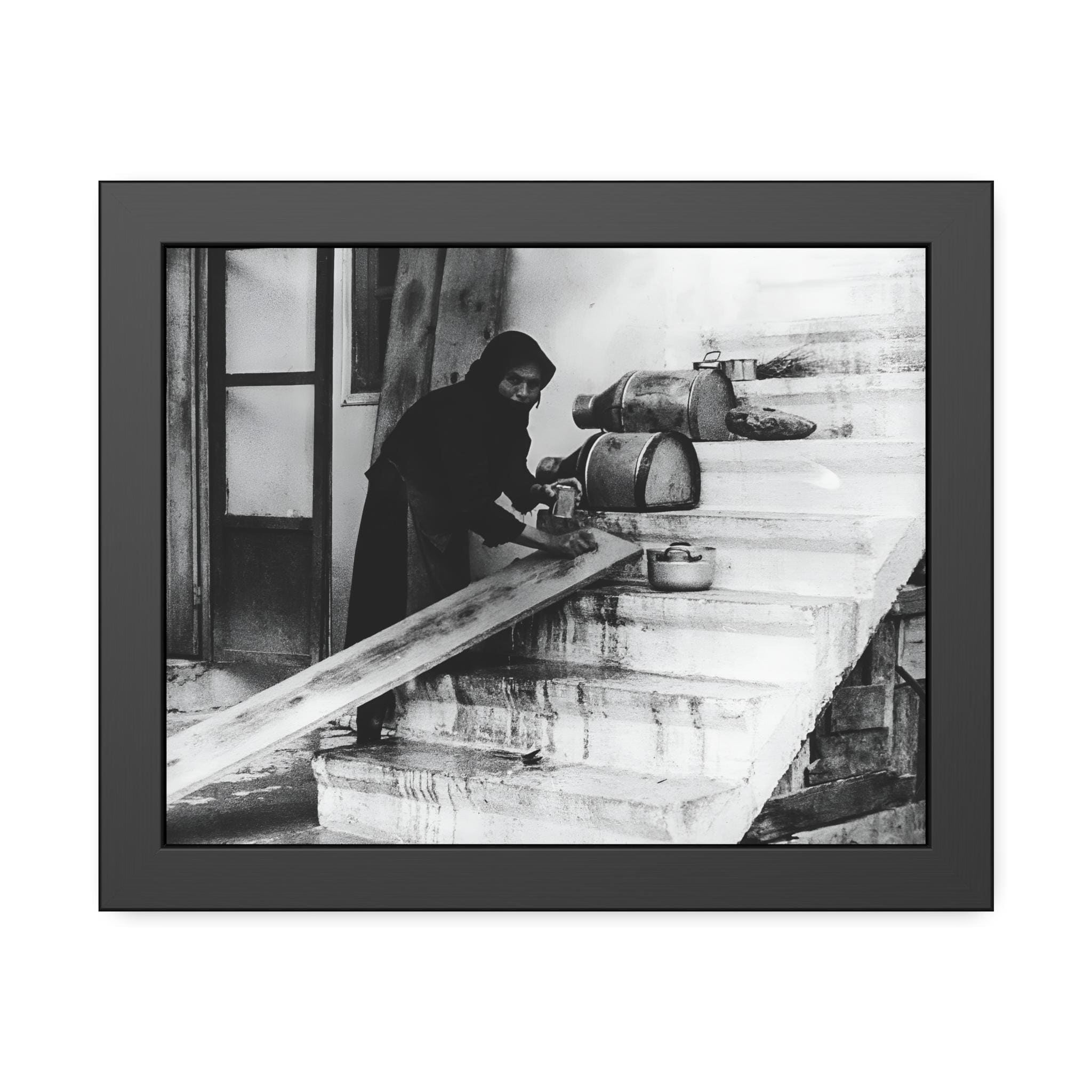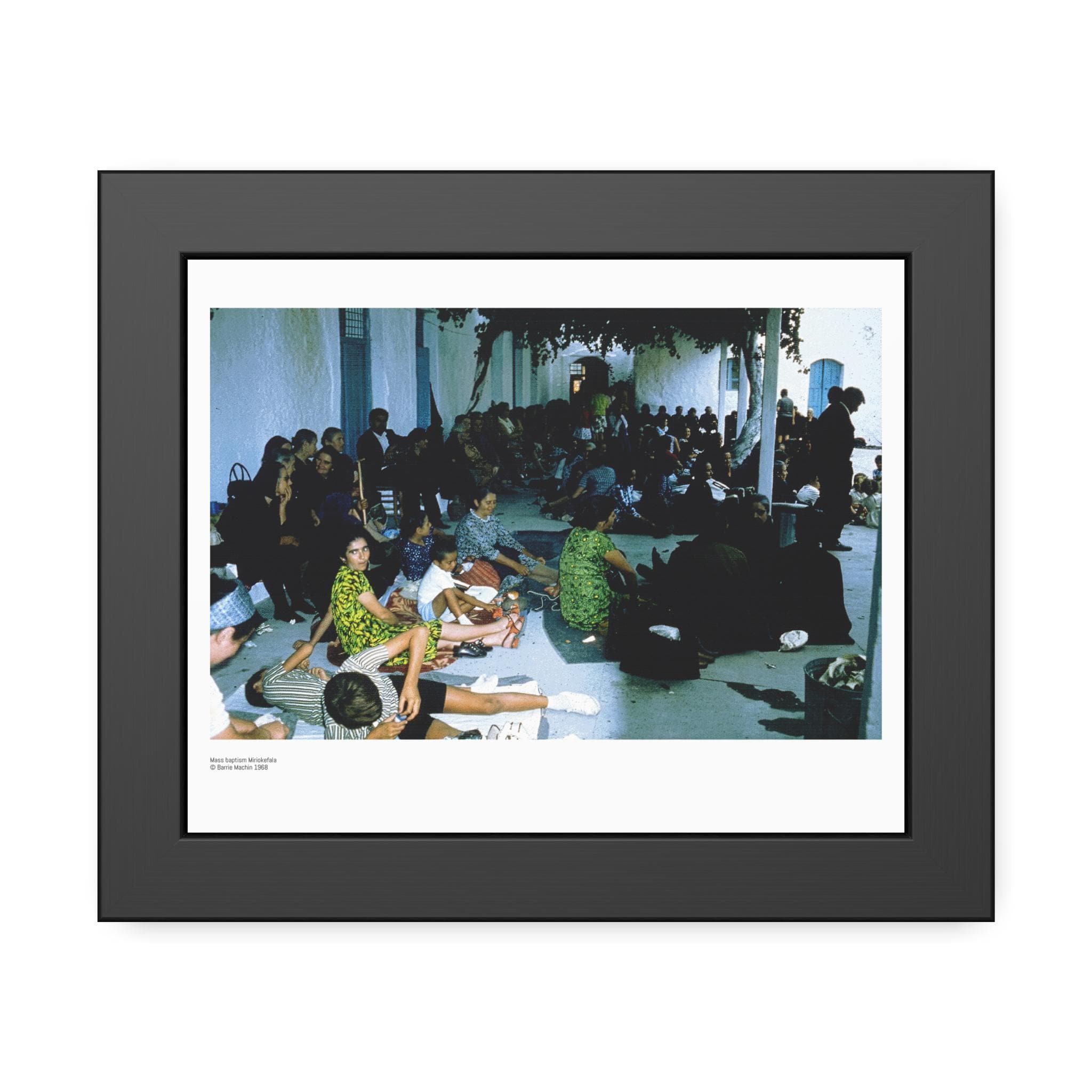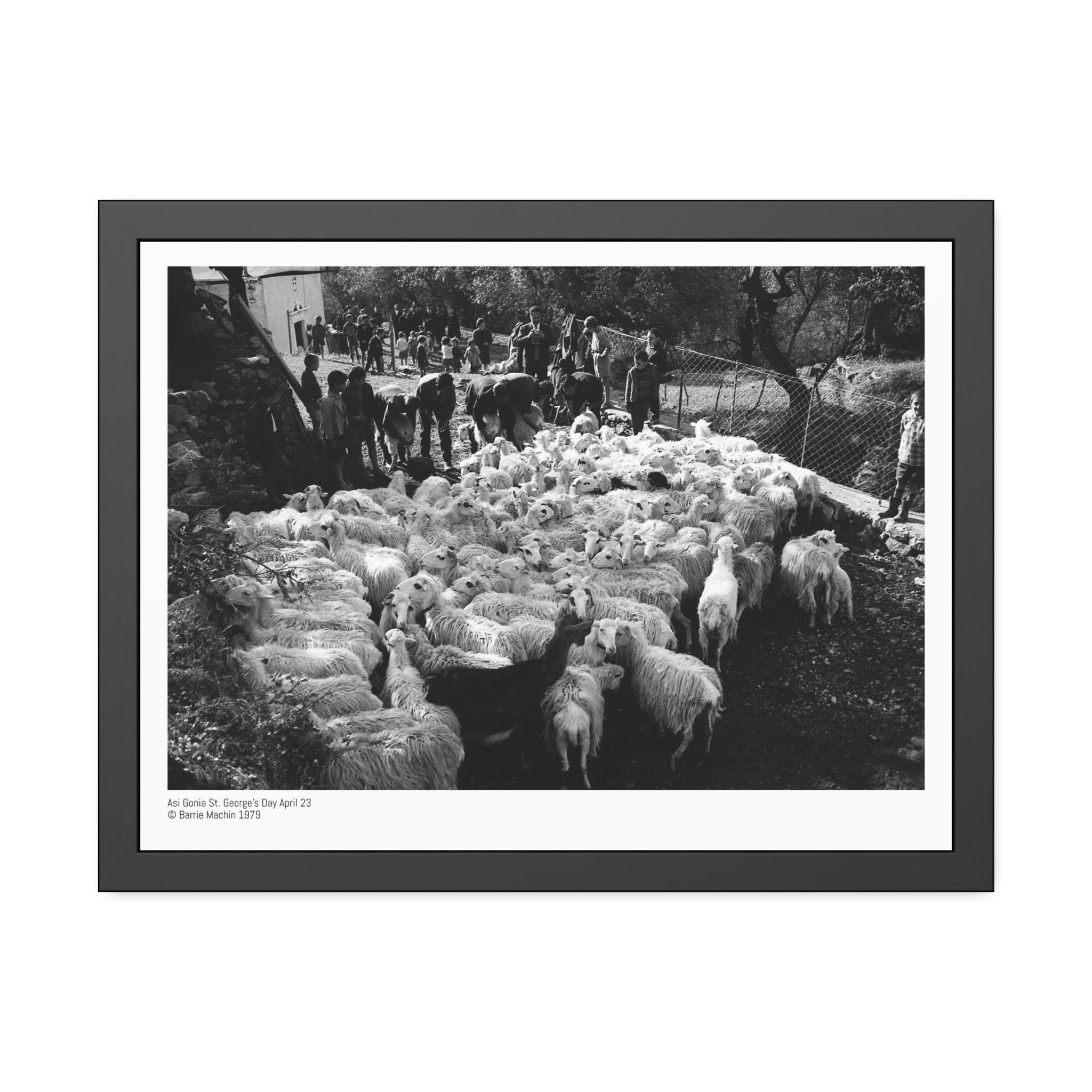
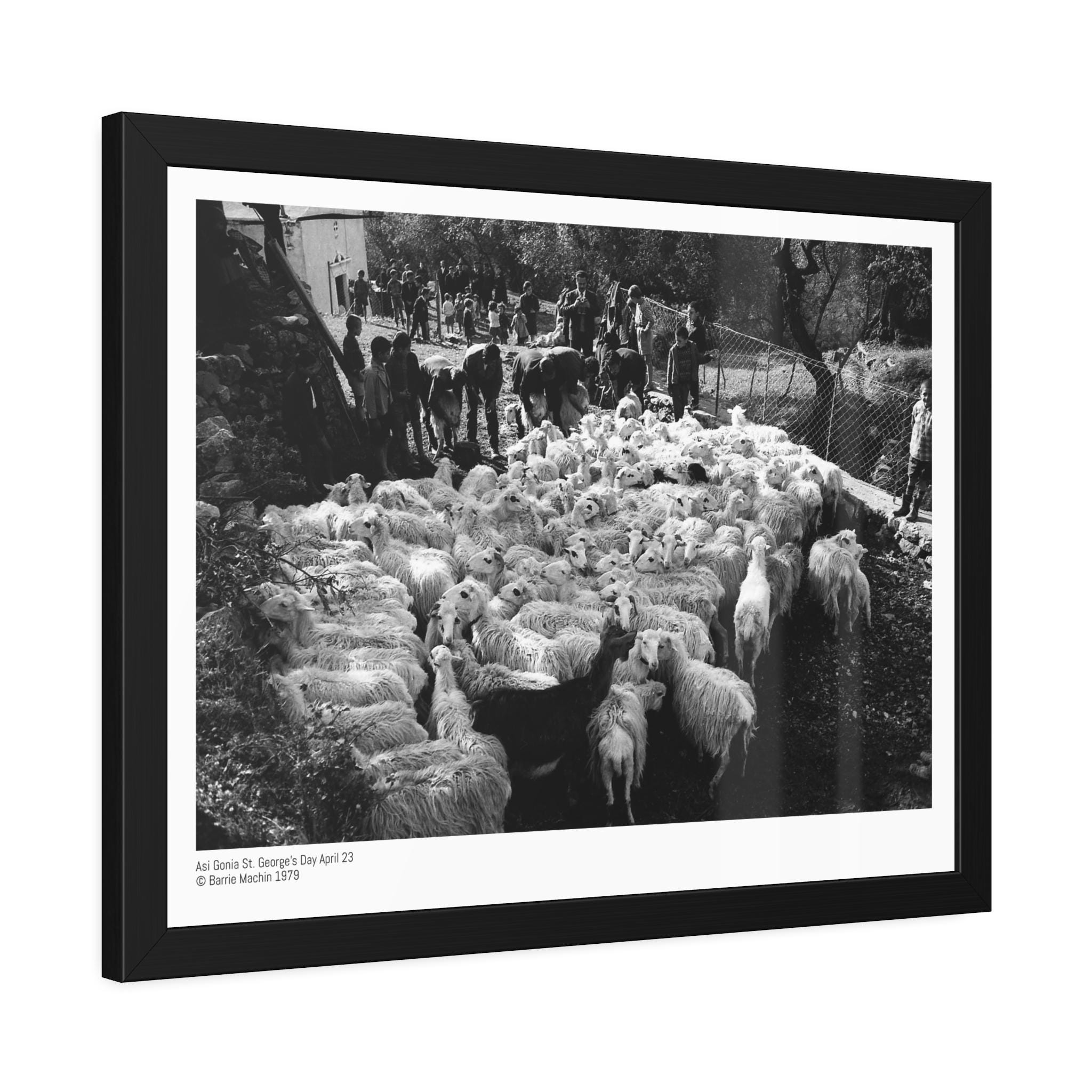

Asi Gonia Exhibition St. George's Day April 23
AU$ 143.10

Warriors And Maidens St. George’s Day Twenty-third of April and the third of
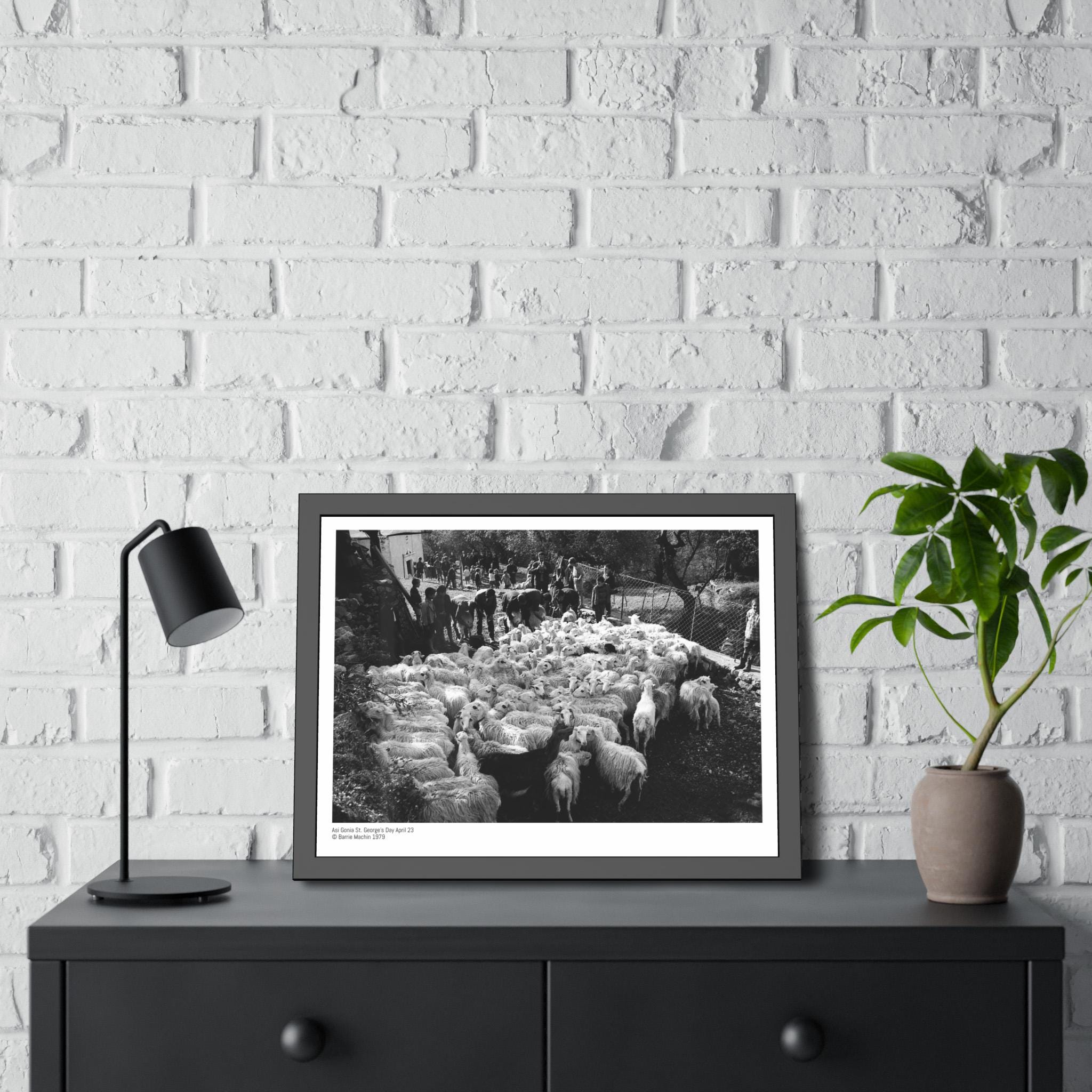
November There are two St. George’s days in Pallikari: November 3 and April 23, marking the beginning and end of winter. They are the largest male-oriented festivals of the village. November the third marks the end of the period of plenty so everyone indulges themselves, eating large quantities of mutton. Men drink so much that it is known as St. George the Drunkard’s day. Held at a watering place known as potistiri, George Psychoundakis describes it this way: The first wine of the year has to be taken to him on the third of November for him to bless and to ensure that the remaining wine does not spoil. So much wine is consumed it is known as St. George the drunkard’s day. The church is set in a very beautiful spot near to an underground spring, so that the surrounding plane trees are more than twice their usual size. It is forbidden to touch the trees: it is said that if a villager so much as harms a leaf, he will be punished. Even though the leaves hang low, the sheep and goats do not eat them. Herders bring cooked ram and goats as well as wine to the festival (panigiria). Each herder has in his flock an animal dedicated to the Saint. The animal gets promised to the Church when some misfortune or illness affects the flock or the herder’s family and it must be slain when it reaches five years old. One man thought he would deceive the Saint because his votive ram was nicely fattened and he thought it was too good for the church, but when he took the meat of another ram to church, his fat ram—previously healthy—came down the mountain voluntarily and died inside the church (1962: 122). At dawn on April 23, the major Pallikariot festival, and one of the most well-attended on the island, herders bring their sheep down from the mountains to the small church of St. George in Pateriana, keeping their flocks in separate groups until villagers and visitors assemble. In a field above the church the priest blesses each flock with holy water before a mass milking ceremony. The shepherds bow their heads to kiss the cross, crossing themselves as the priest crosses their foreheads with a wet sprig of basil. St. George’s day is an important charitable occasion. Villagers must give milk first to poor families to please the saint. As with women, men’s religious behaviour correlates highly with their social and productive activities. Mounted in a matte black pinewood frame with shatter-proof plexiglass and brown paper backing, the print feels both timeless and durable. Choose between textured fine art paper for a tactile, archival look or a bright semi-gloss for crisp contrast. Pre-installed hanging hardware and rubber bumpers make it simple to hang straight from the moment it arrives. This poster settles into kitchens, hallways, cottages, or study nooks and invites slow, thoughtful moments whenever you pass by.Product features - Two paper choices: 310 gsm fine art or 260 gsm semi-gloss photo paper - Matte black 100% pinewood frame with brown paper backing and shatter-proof plexiglass - Pre-installed hanging hardware and rubber bumpers for easy, straight installation - Available in 10 sizes with horizontal and vertical orientations - Vibrant, archival-quality printing; assembled in the USA from globally sourced partsCare instructions - Clean framed prints with a slightly wet cloth when necessary.
November There are two St. George’s days in Pallikari: November 3 and April 23, marking the beginning and end of winter. They are the largest male-oriented festivals of the village. November the third marks the end of the period of plenty so everyone indulges themselves, eating large quantities of mutton. Men drink so much that it is known as St. George the Drunkard’s day. Held at a watering place known as potistiri, George Psychoundakis describes it this way: The first wine of the year has to be taken to him on the third of November for him to bless and to ensure that the remaining wine does not spoil. So much wine is consumed it is known as St. George the drunkard’s day. The church is set in a very beautiful spot near to an underground spring, so that the surrounding plane trees are more than twice their usual size. It is forbidden to touch the trees: it is said that if a villager so much as harms a leaf, he will be punished. Even though the leaves hang low, the sheep and goats do not eat them. Herders bring cooked ram and goats as well as wine to the festival (panigiria). Each herder has in his flock an animal dedicated to the Saint. The animal gets promised to the Church when some misfortune or illness affects the flock or the herder’s family and it must be slain when it reaches five years old. One man thought he would deceive the Saint because his votive ram was nicely fattened and he thought it was too good for the church, but when he took the meat of another ram to church, his fat ram—previously healthy—came down the mountain voluntarily and died inside the church (1962: 122). At dawn on April 23, the major Pallikariot festival, and one of the most well-attended on the island, herders bring their sheep down from the mountains to the small church of St. George in Pateriana, keeping their flocks in separate groups until villagers and visitors assemble. In a field above the church the priest blesses each flock with holy water before a mass milking ceremony. The shepherds bow their heads to kiss the cross, crossing themselves as the priest crosses their foreheads with a wet sprig of basil. St. George’s day is an important charitable occasion. Villagers must give milk first to poor families to please the saint. As with women, men’s religious behaviour correlates highly with their social and productive activities. Mounted in a matte black pinewood frame with shatter-proof plexiglass and brown paper backing, the print feels both timeless and durable. Choose between textured fine art paper for a tactile, archival look or a bright semi-gloss for crisp contrast. Pre-installed hanging hardware and rubber bumpers make it simple to hang straight from the moment it arrives. This poster settles into kitchens, hallways, cottages, or study nooks and invites slow, thoughtful moments whenever you pass by.Product features - Two paper choices: 310 gsm fine art or 260 gsm semi-gloss photo paper - Matte black 100% pinewood frame with brown paper backing and shatter-proof plexiglass - Pre-installed hanging hardware and rubber bumpers for easy, straight installation - Available in 10 sizes with horizontal and vertical orientations - Vibrant, archival-quality printing; assembled in the USA from globally sourced partsCare instructions - Clean framed prints with a slightly wet cloth when necessary.