

Italian Renaissance Baroque Portrait 89th Doge Venice Marino Grimani Old Master
$ 99000.00

Up for consideration is an Important and Rare Old Masters late 16th Century
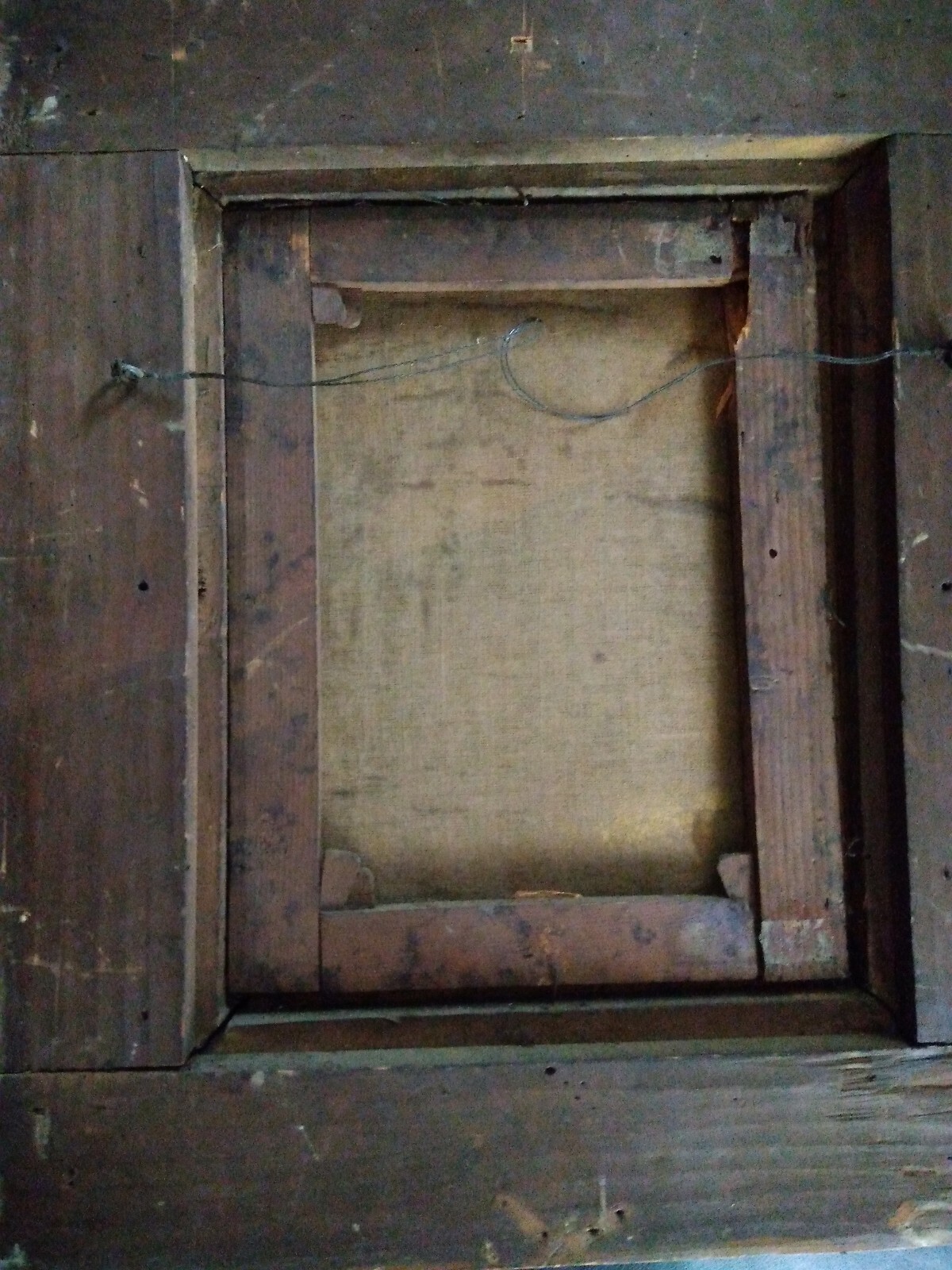
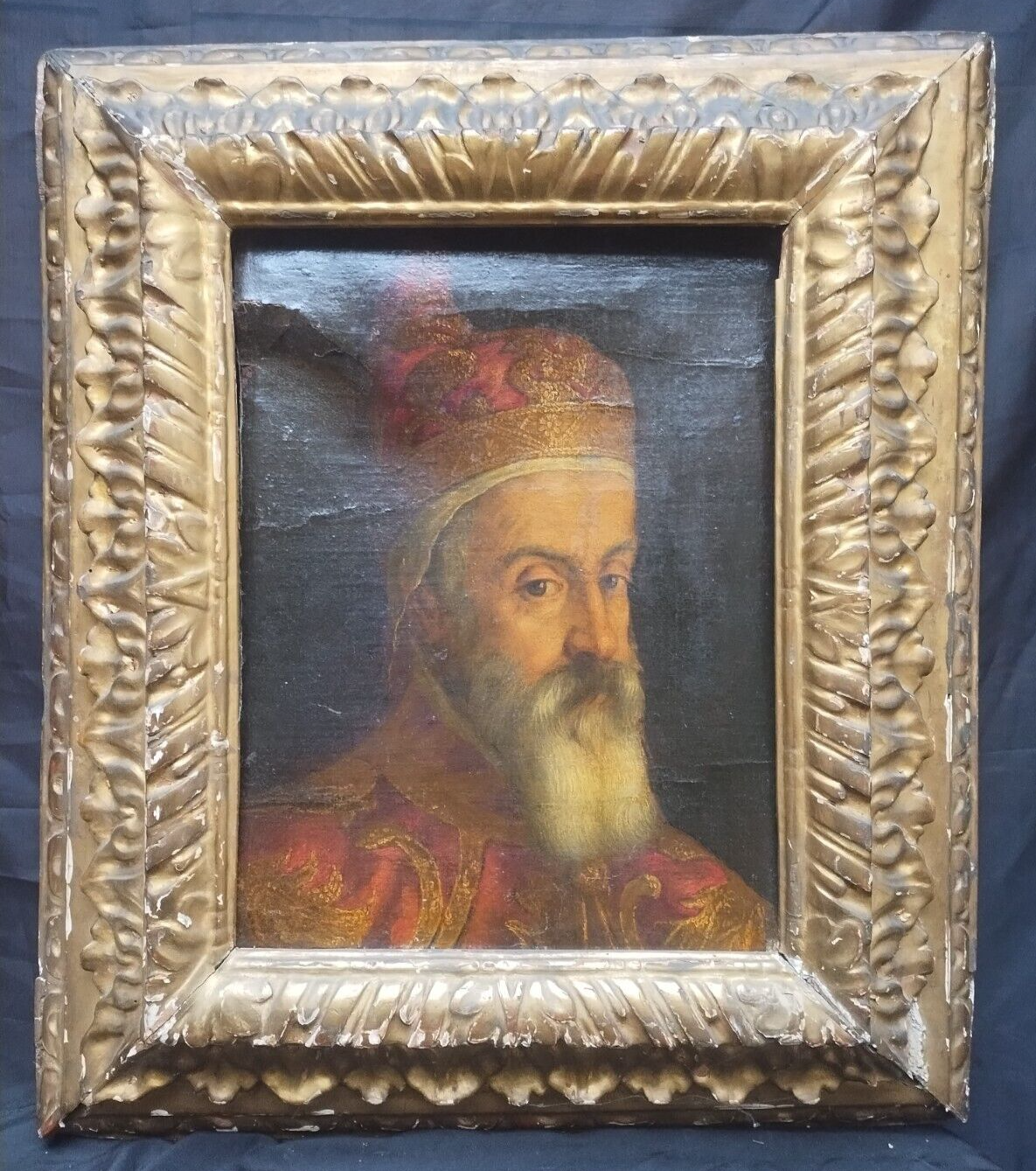
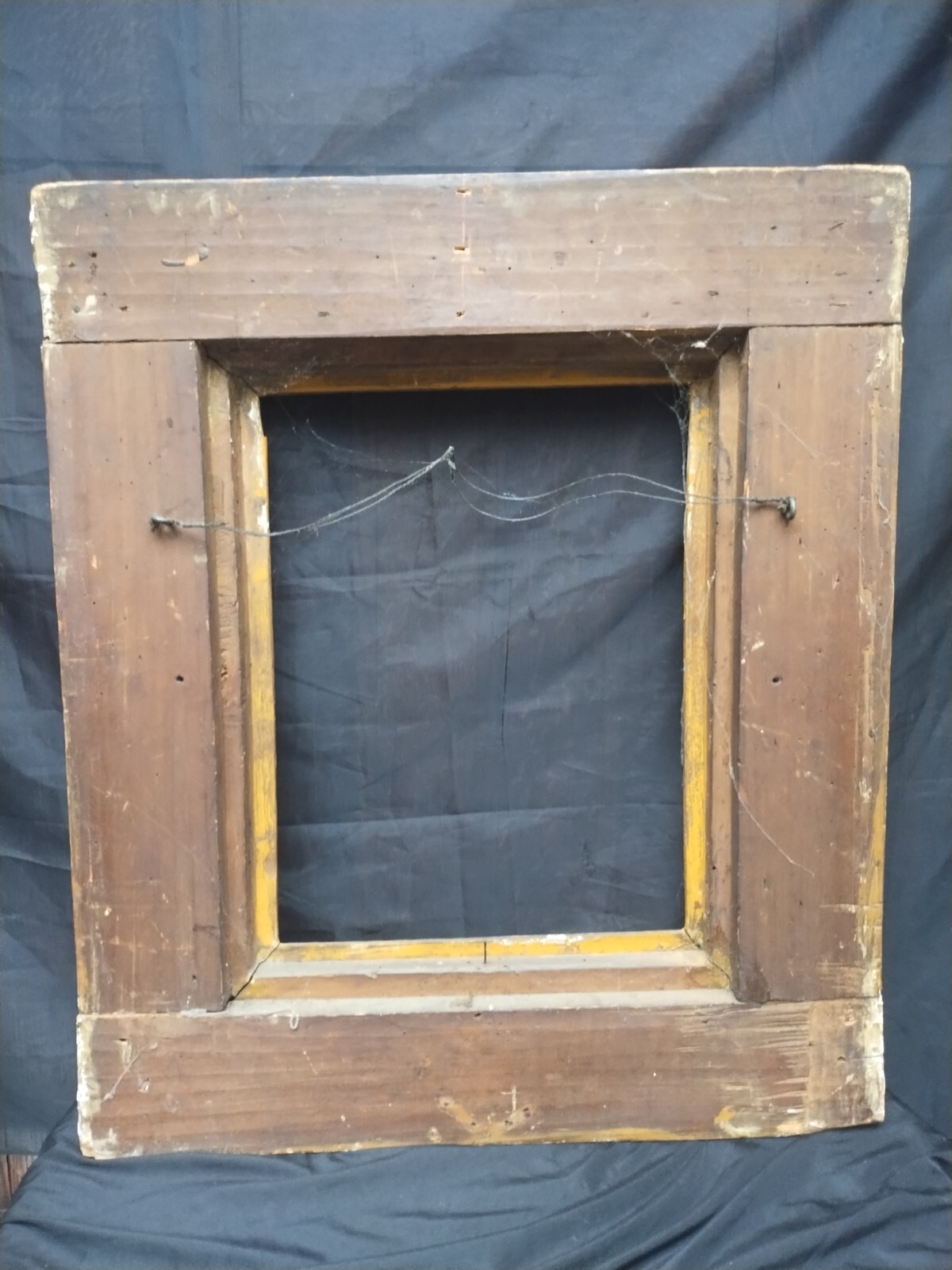
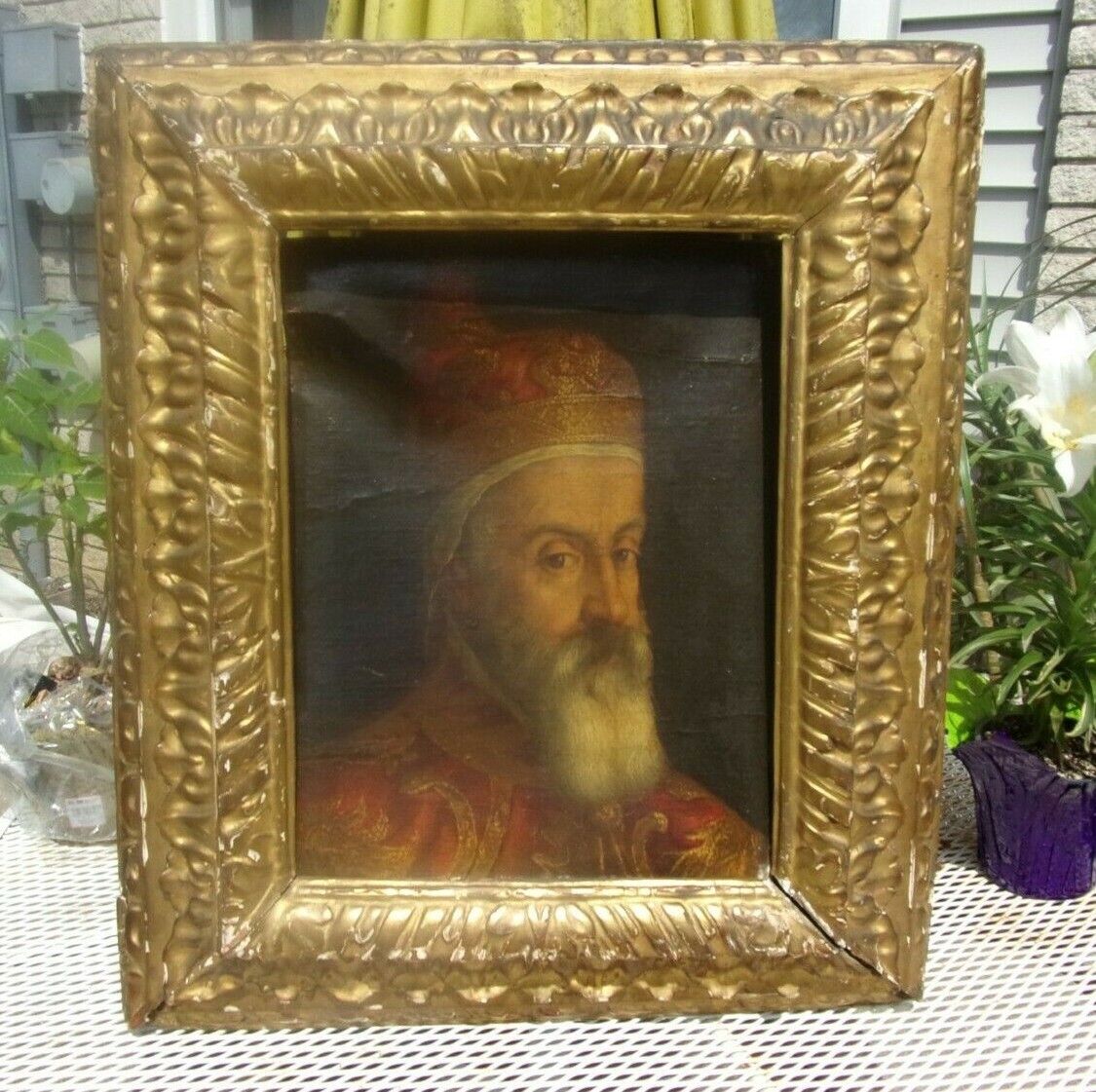
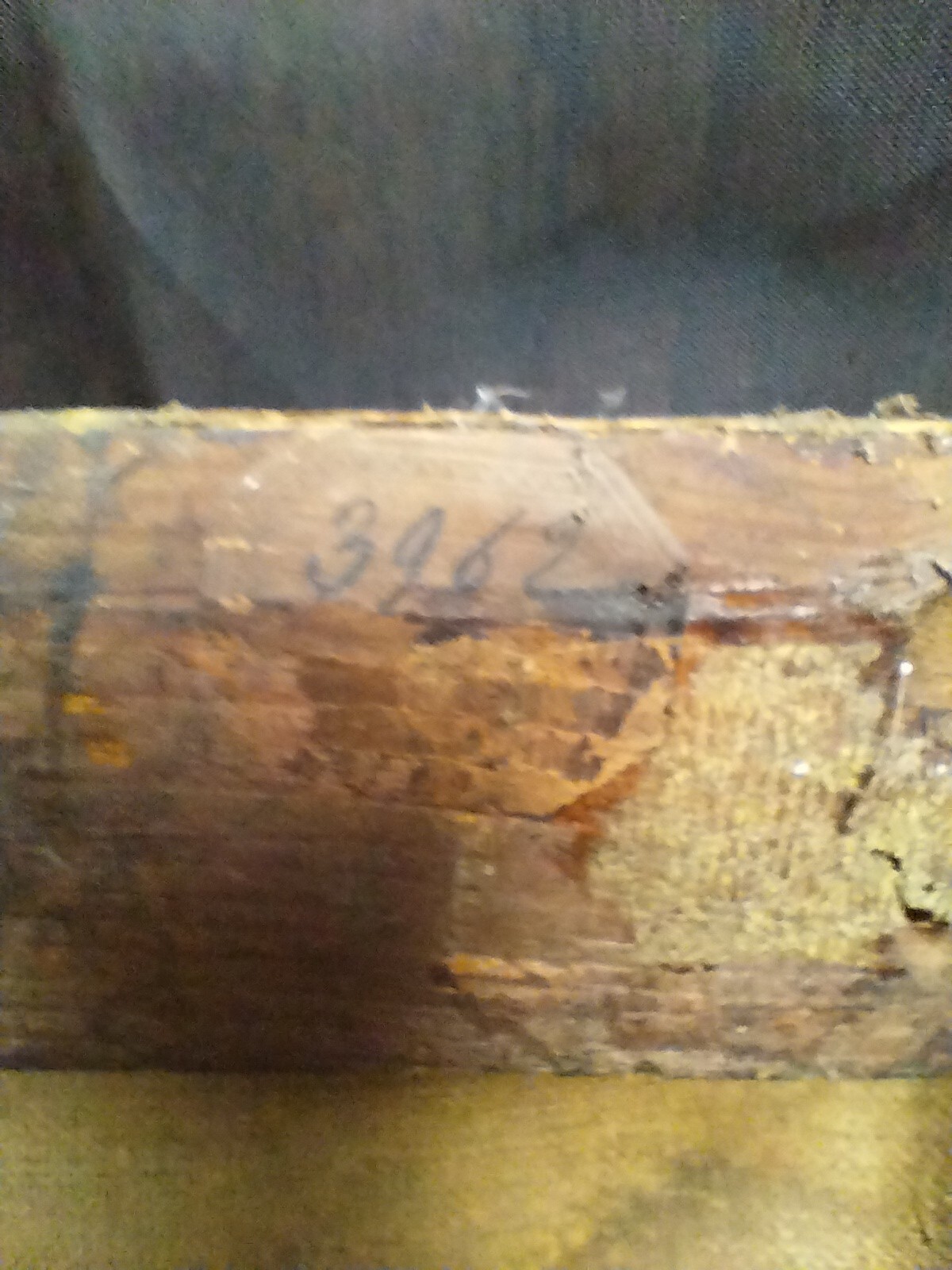
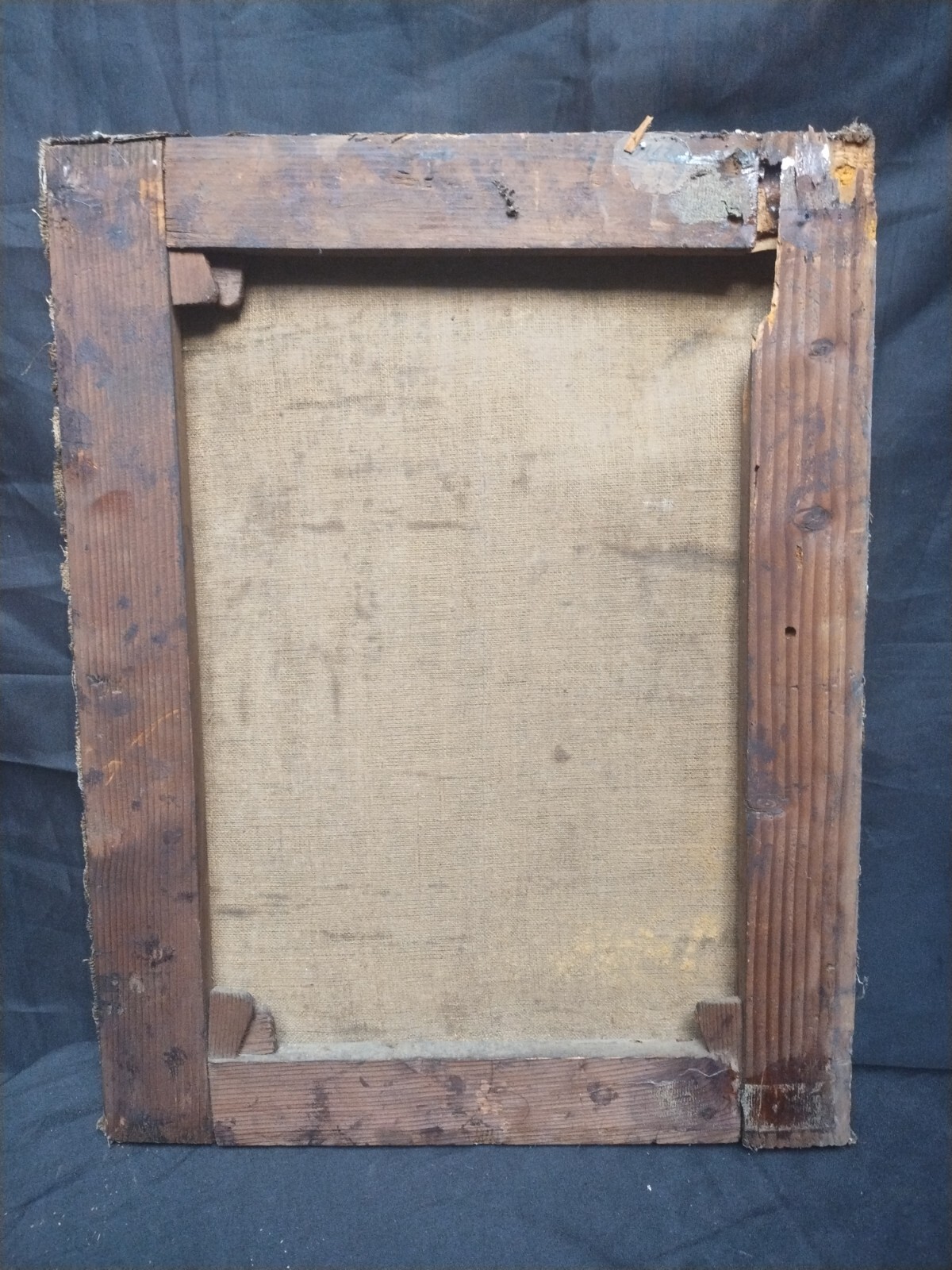
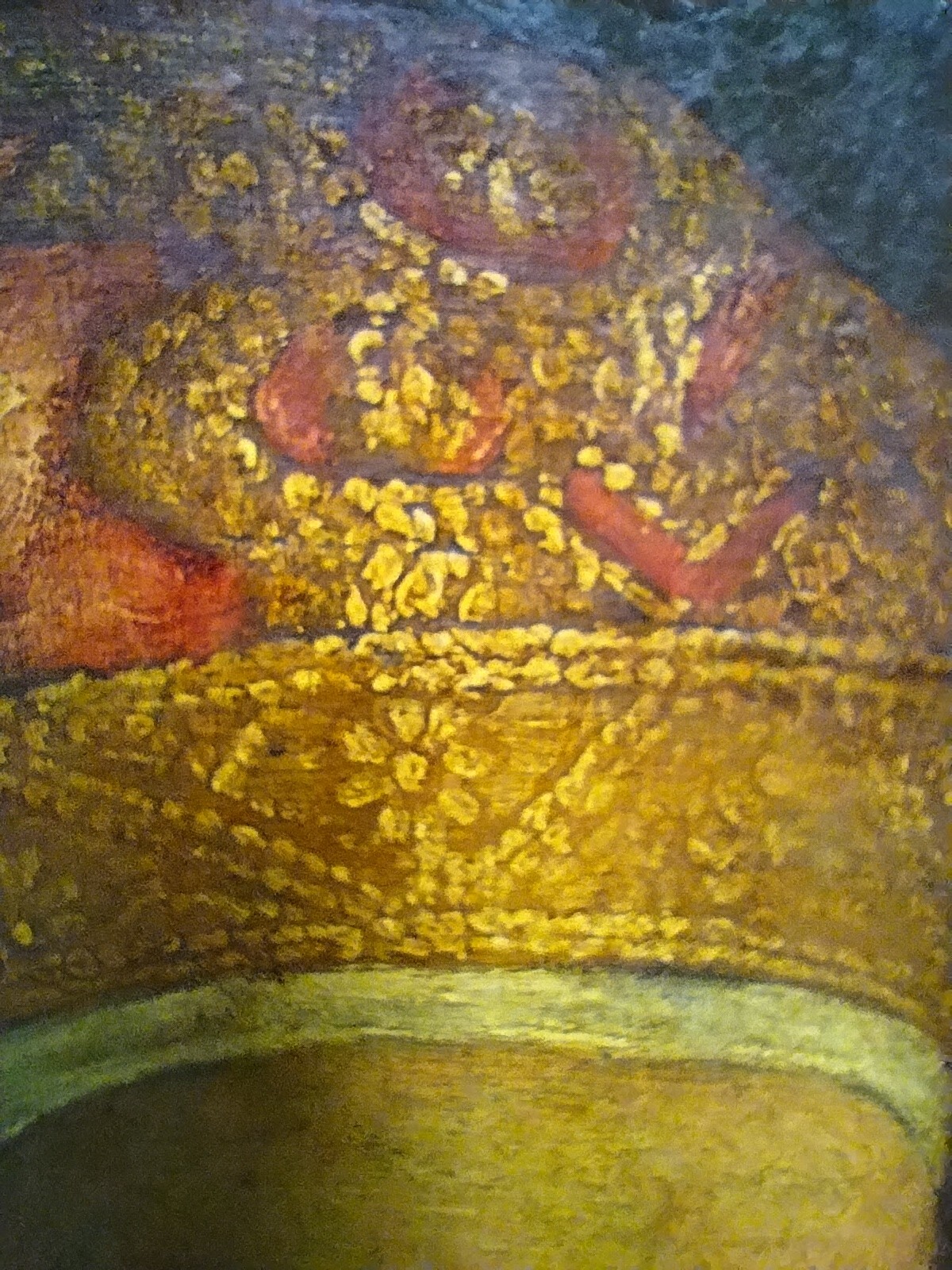
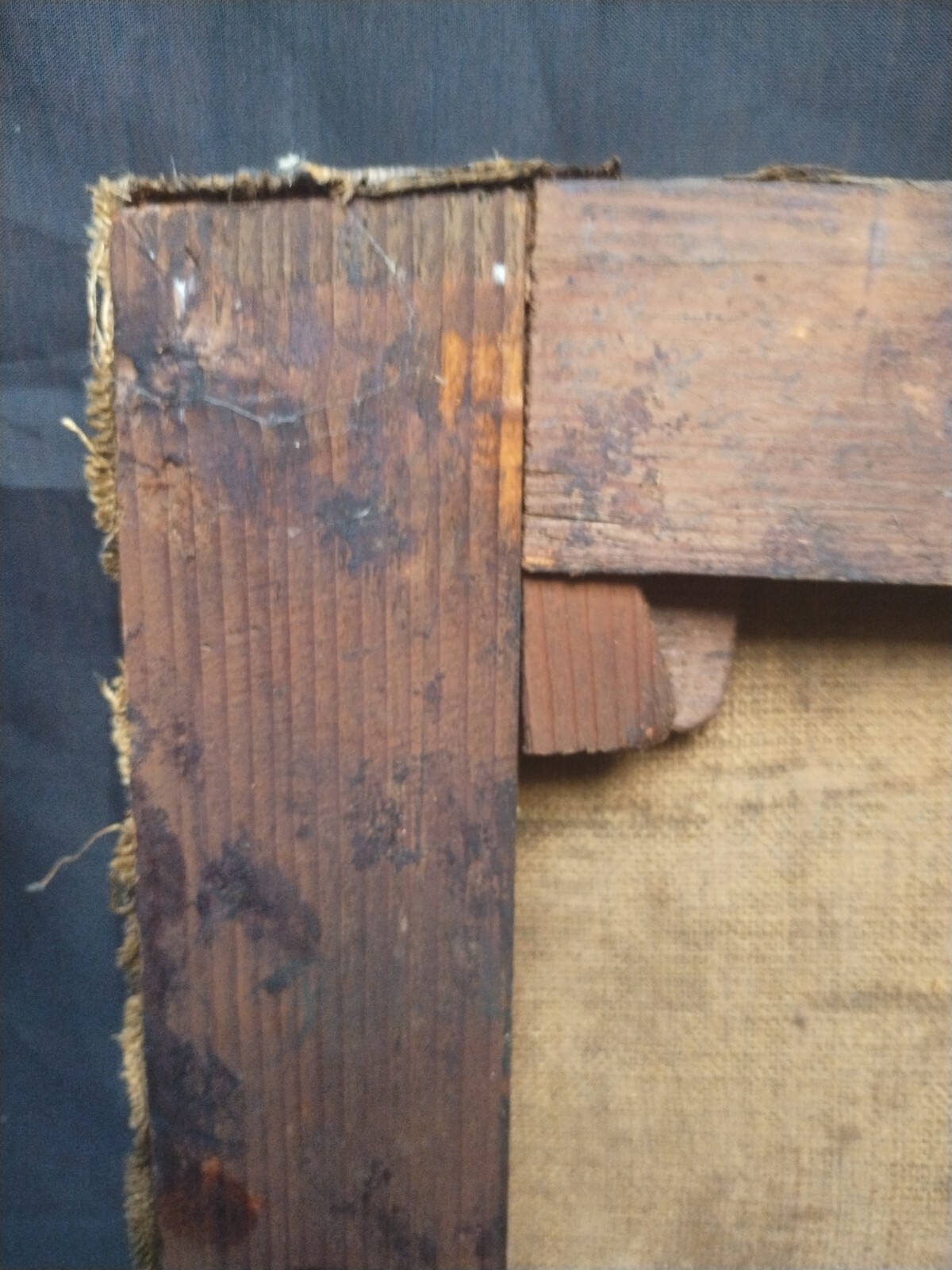
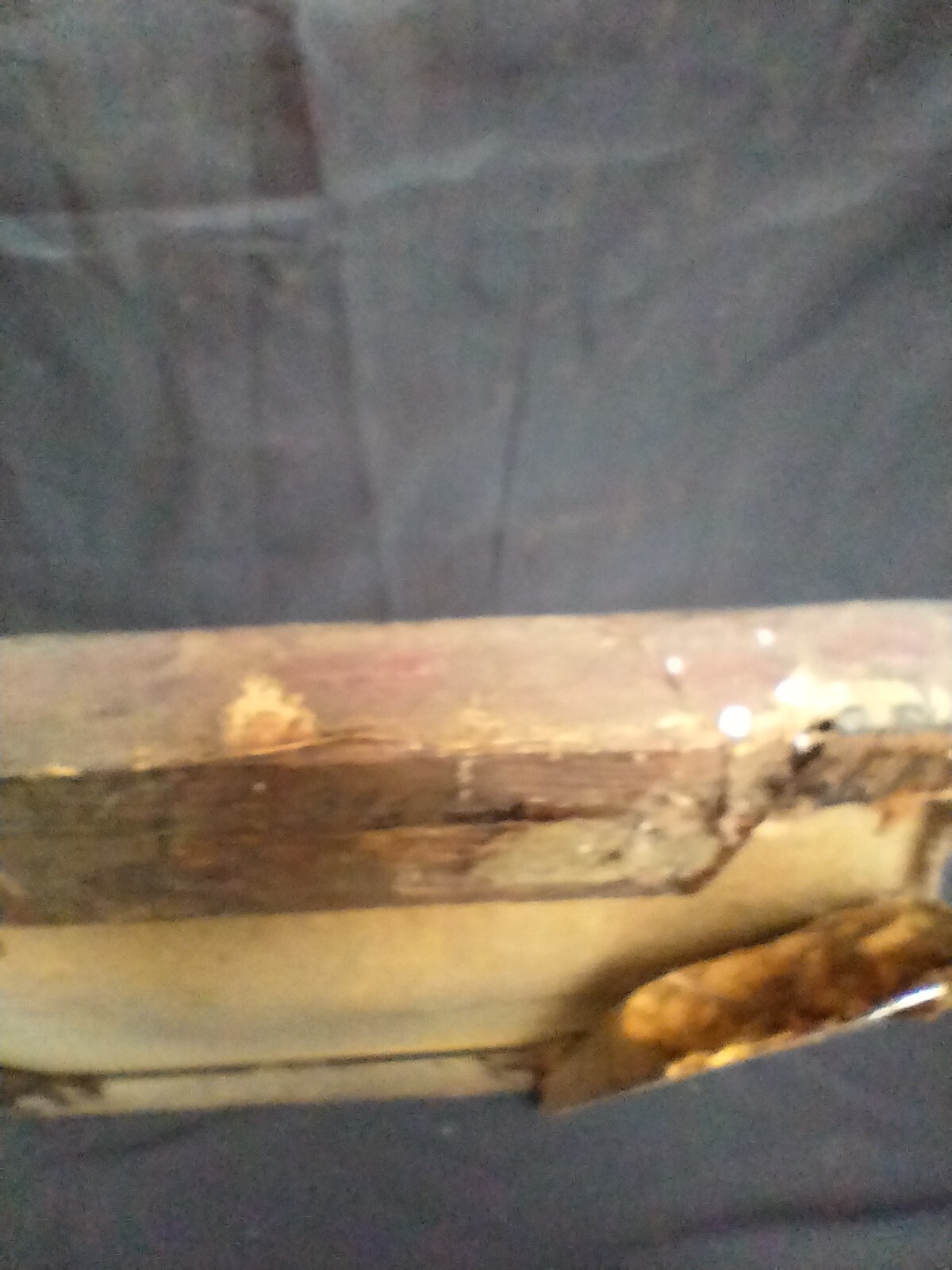
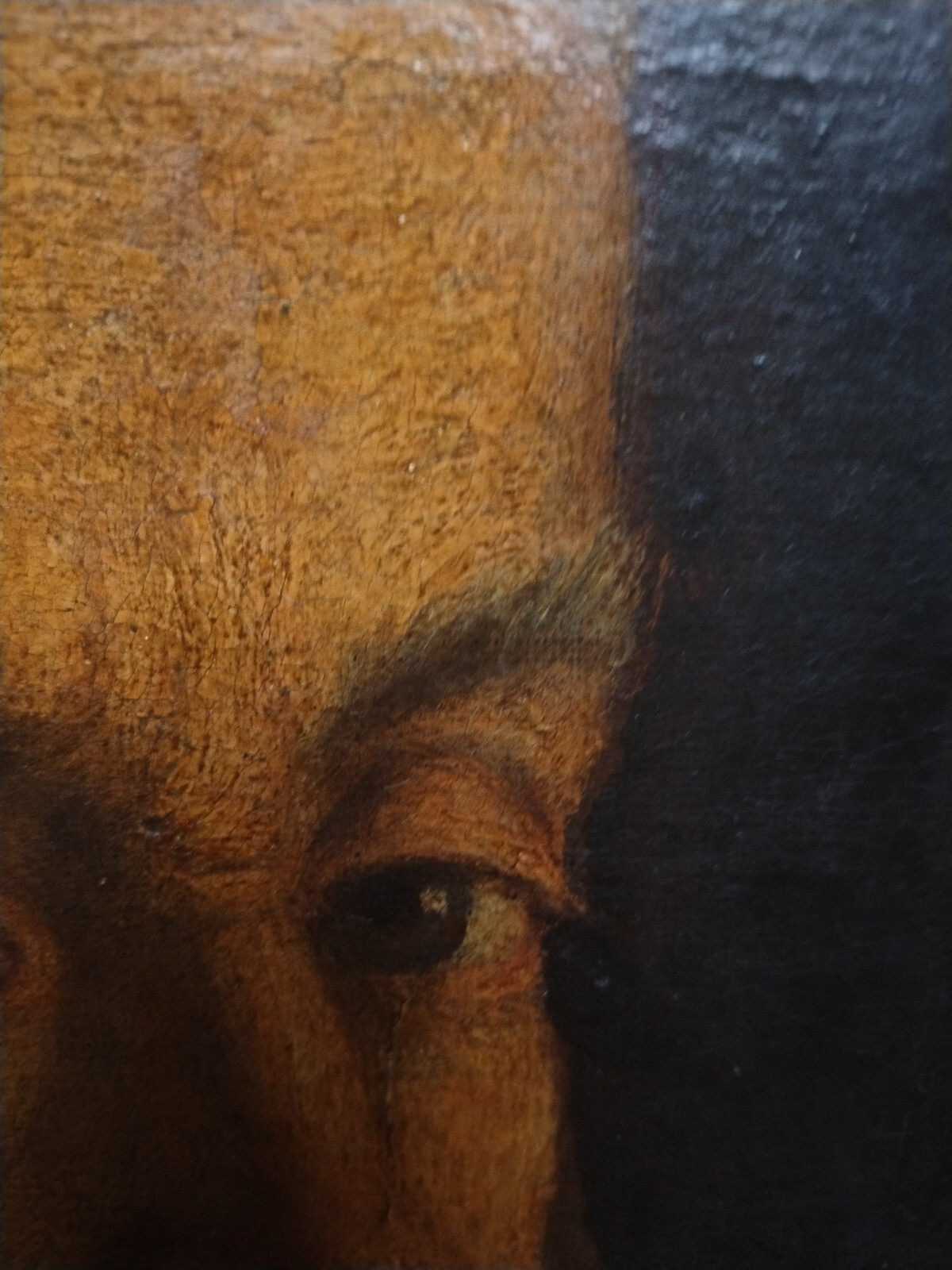
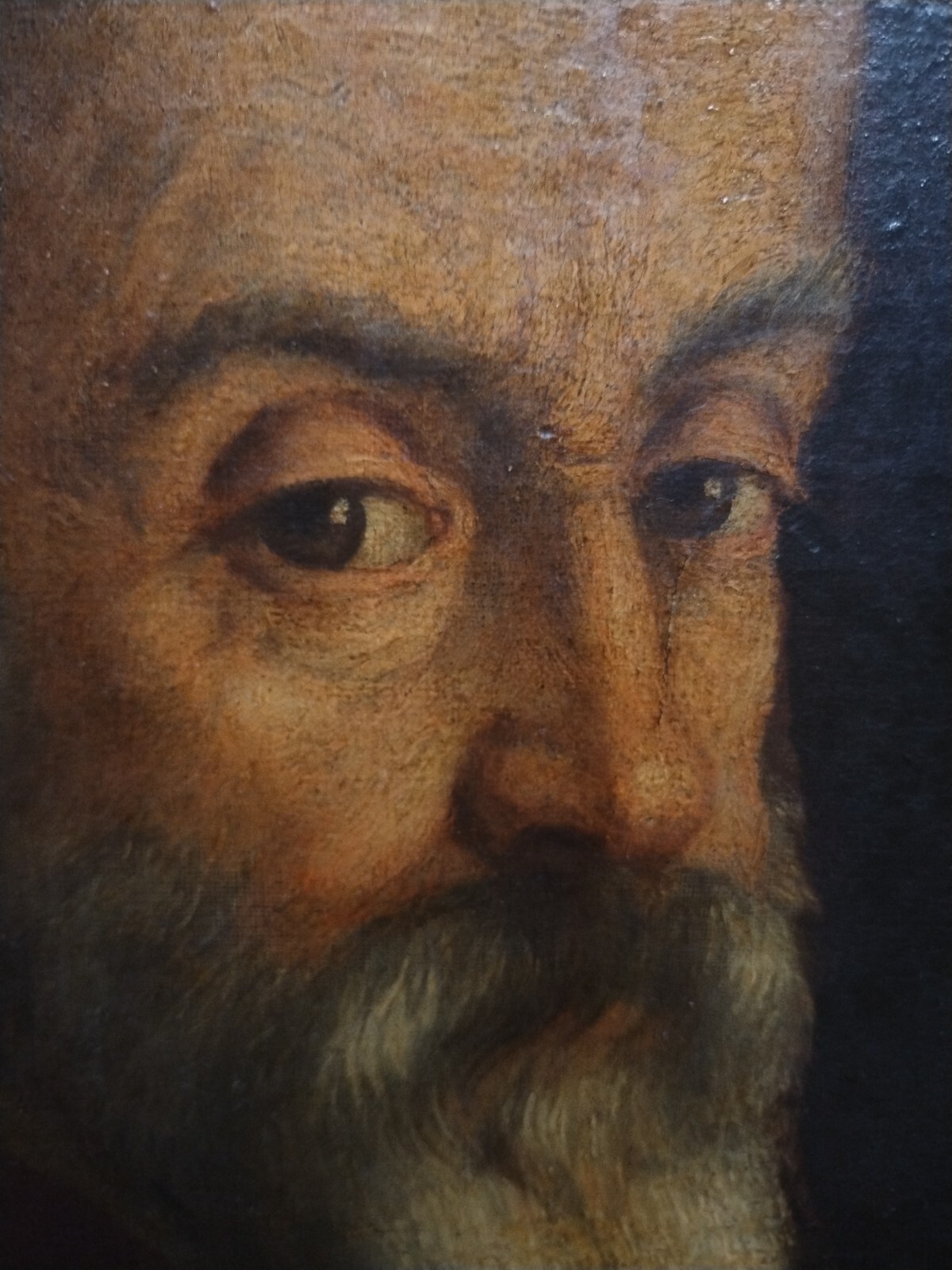
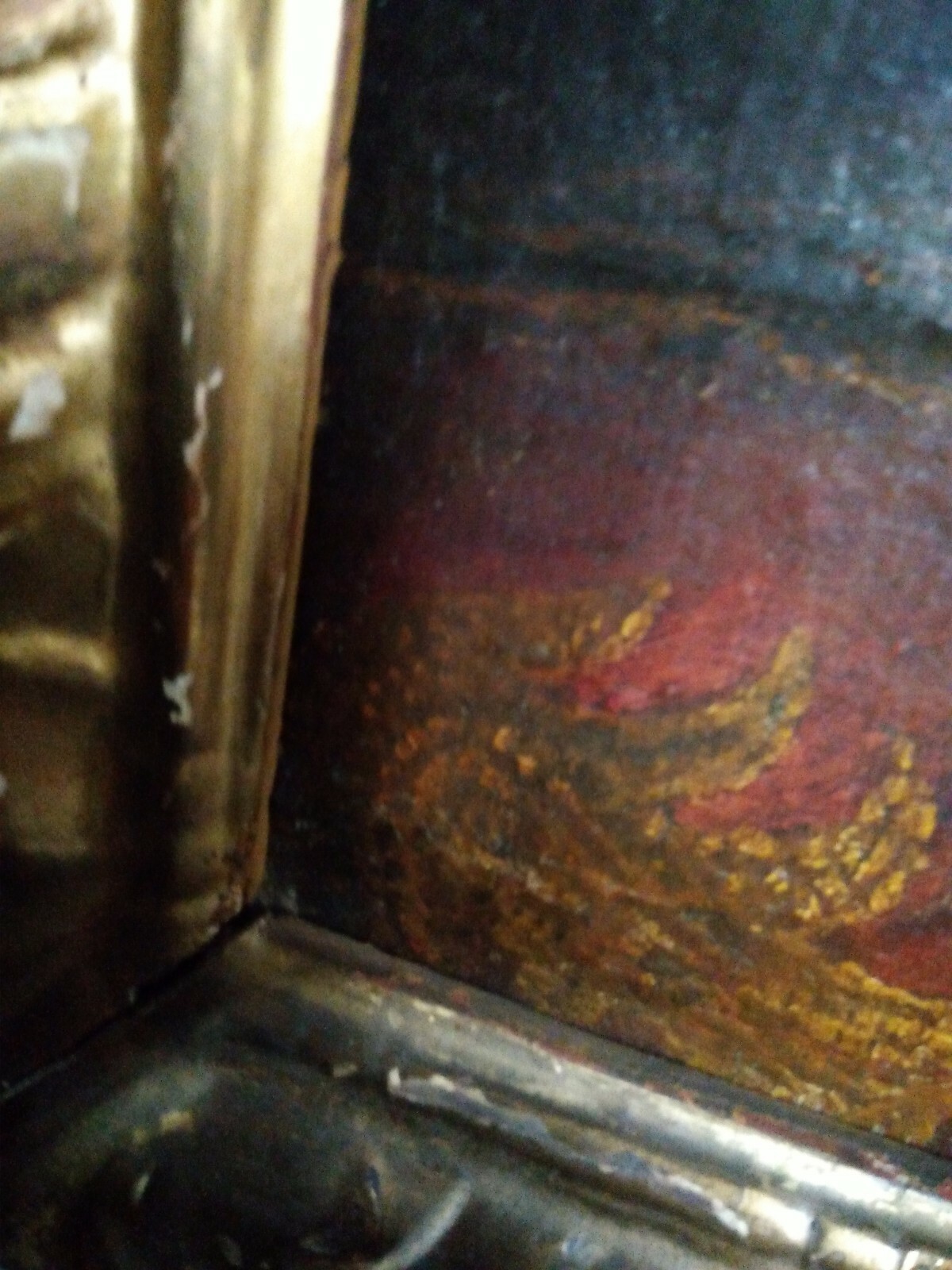
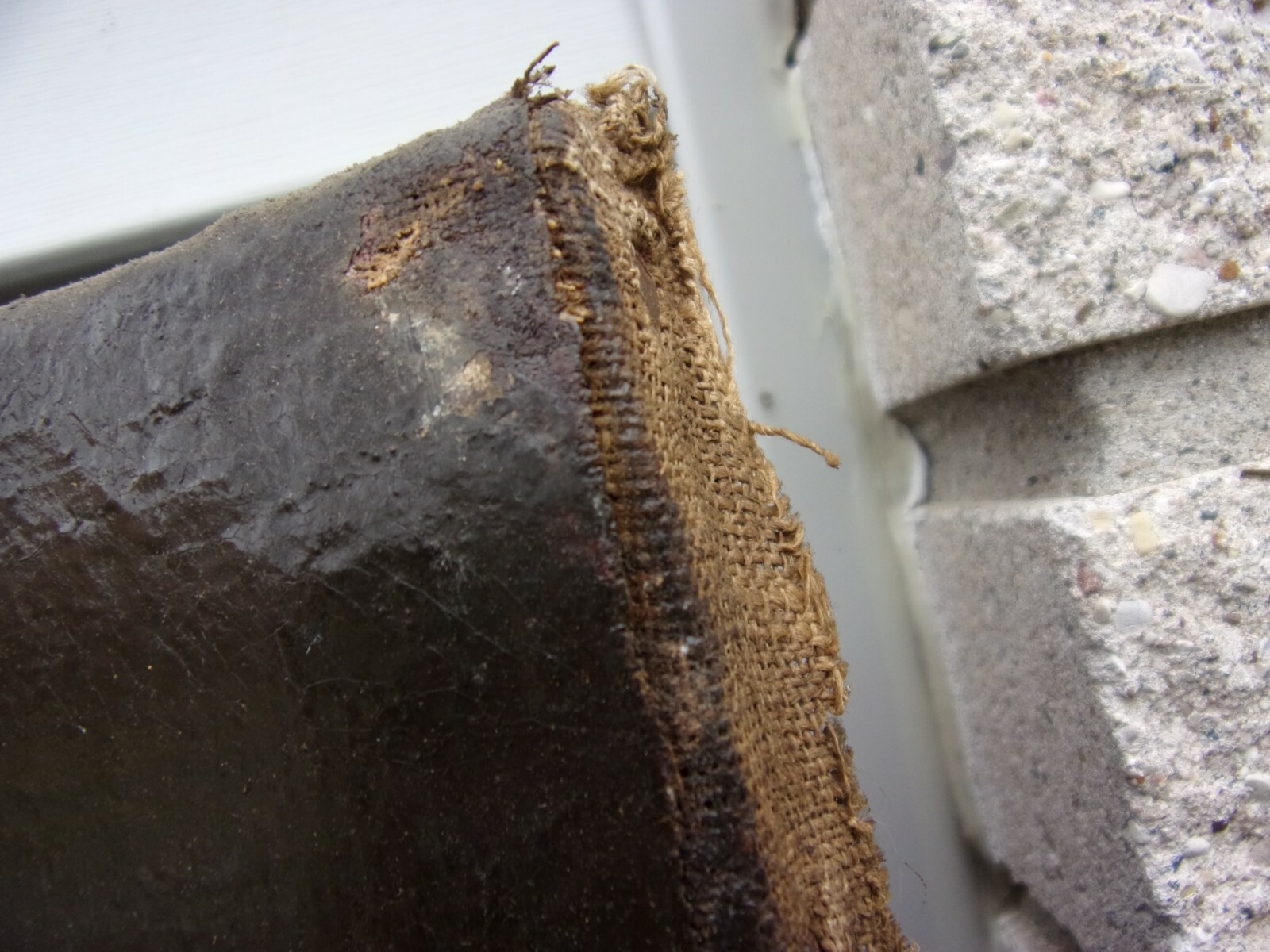
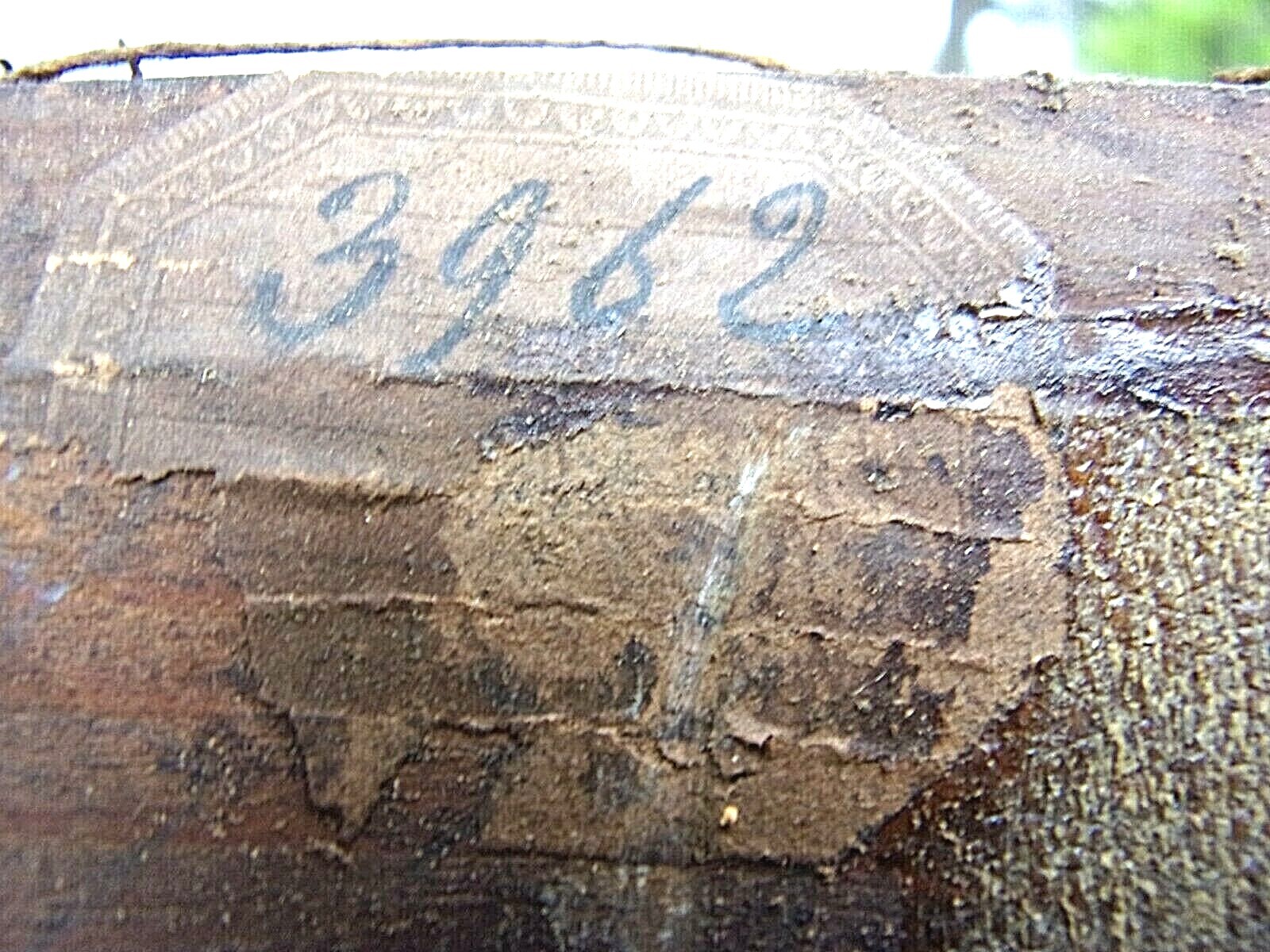
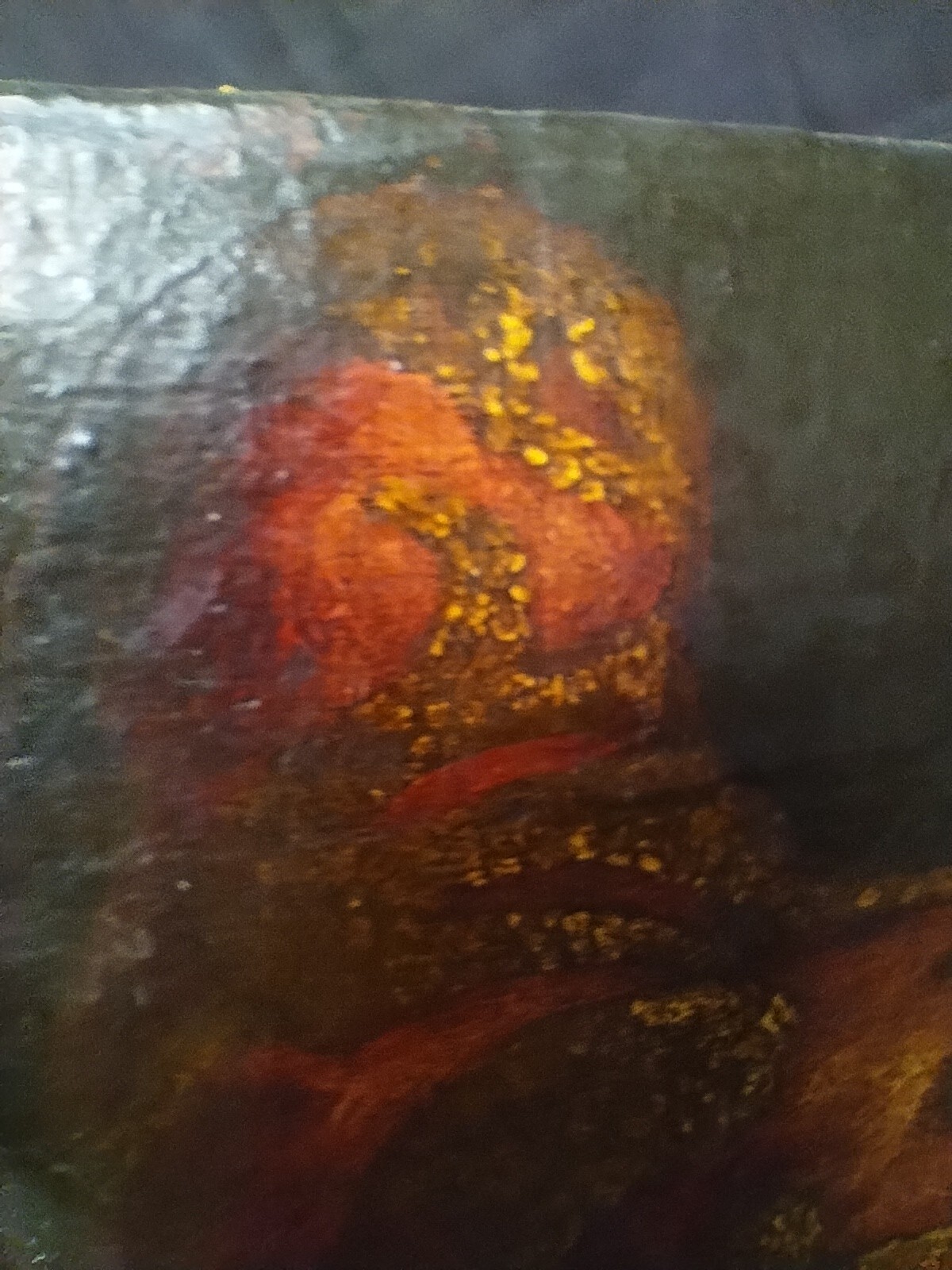
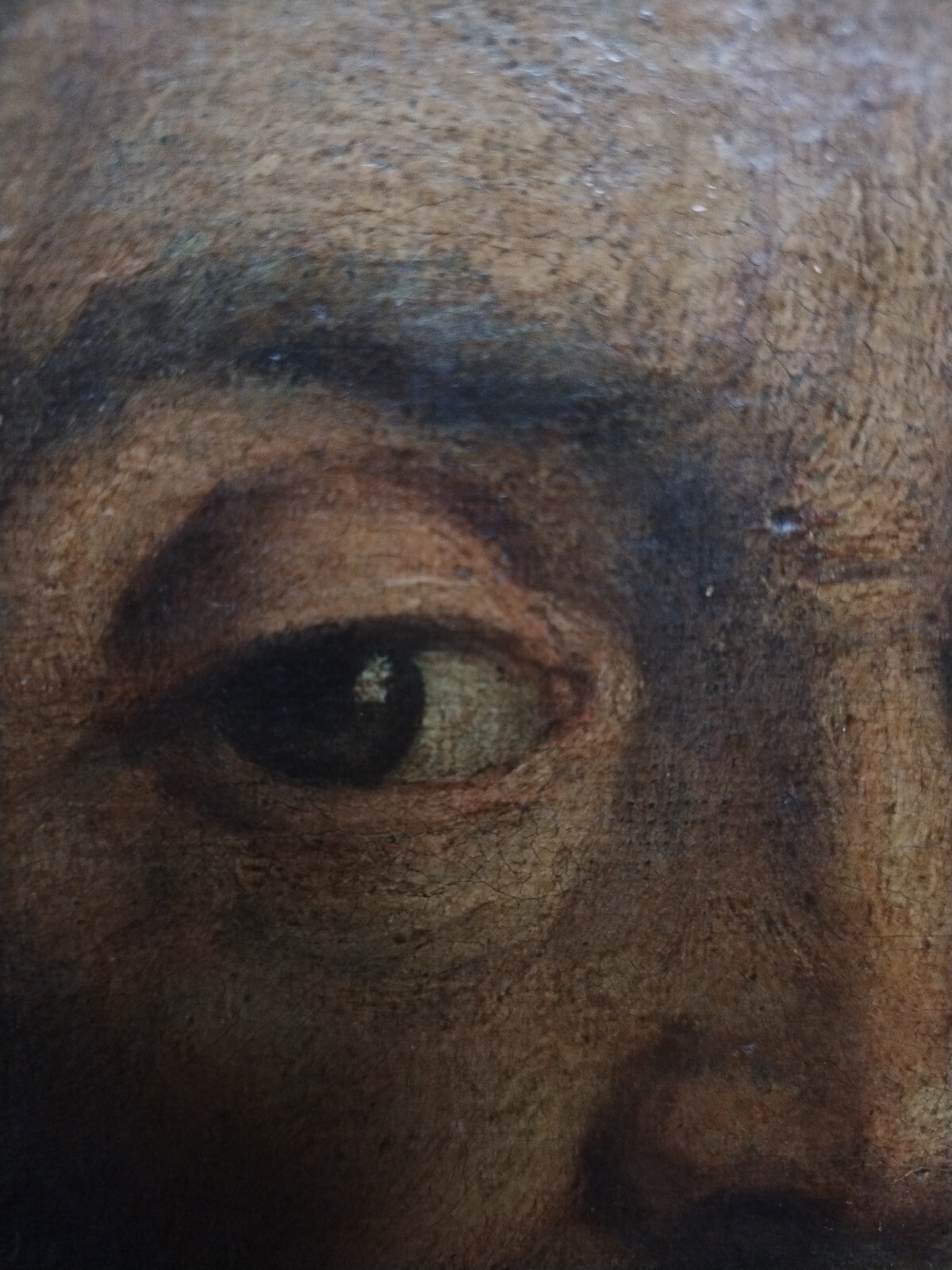
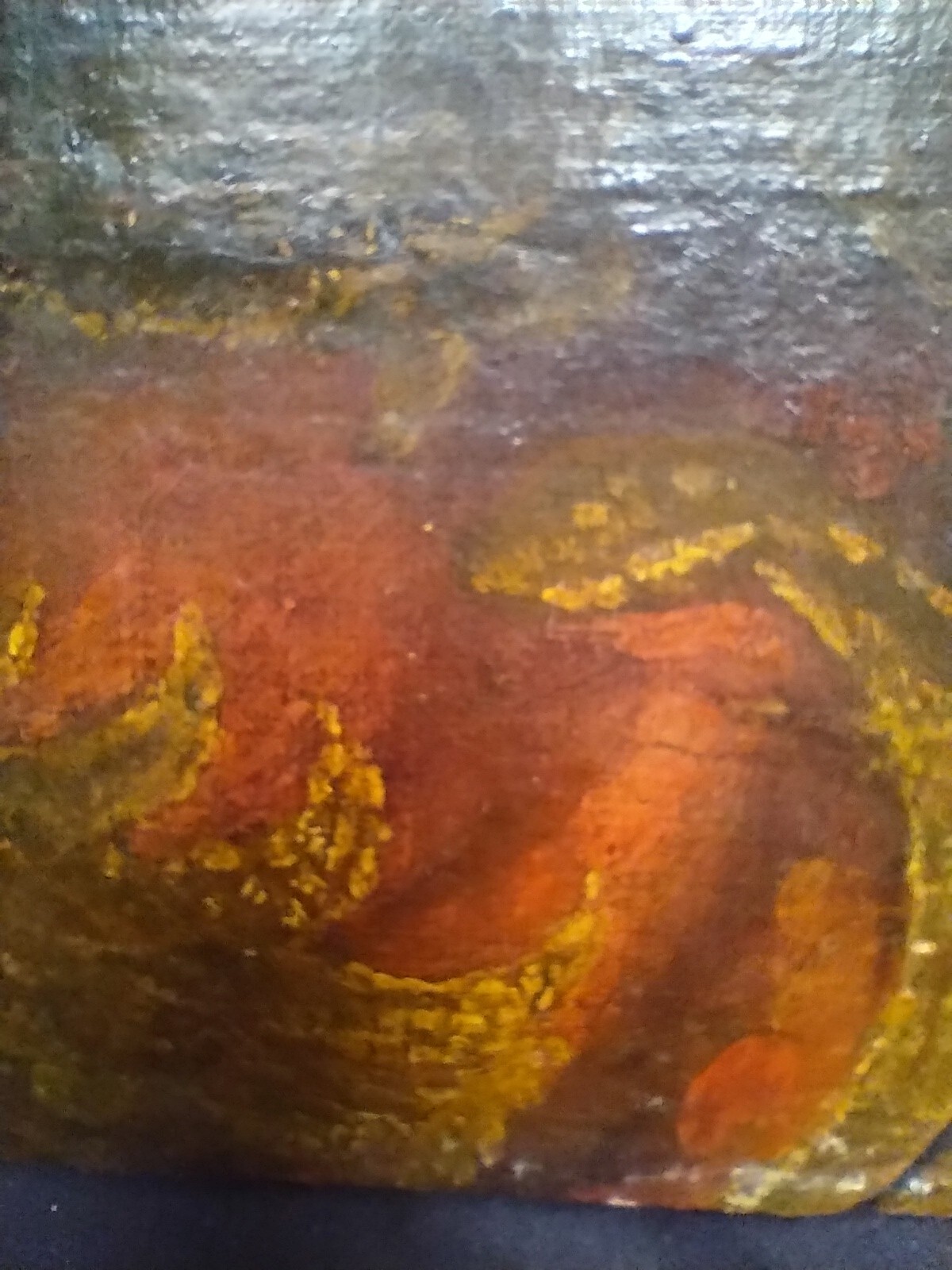
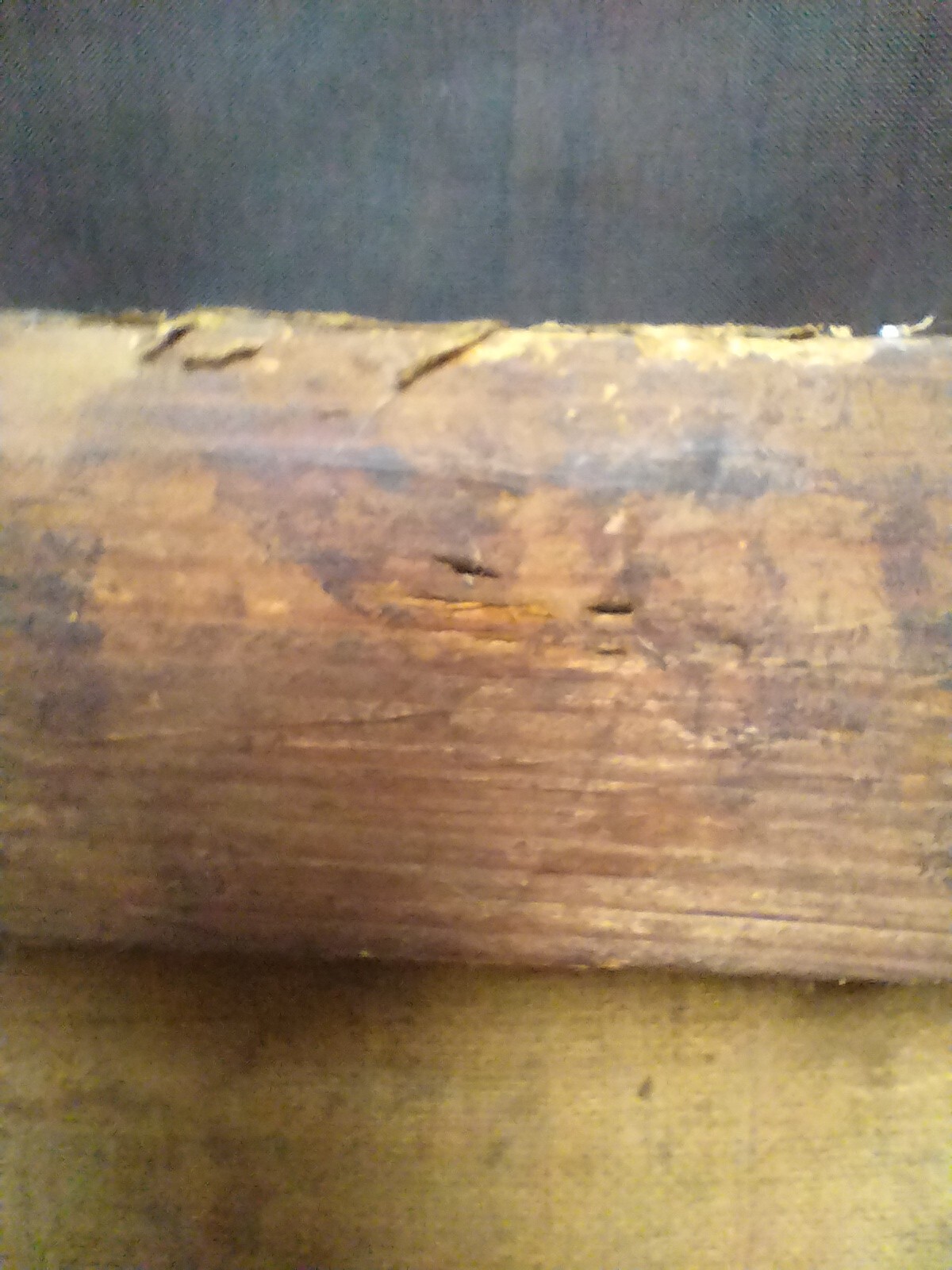
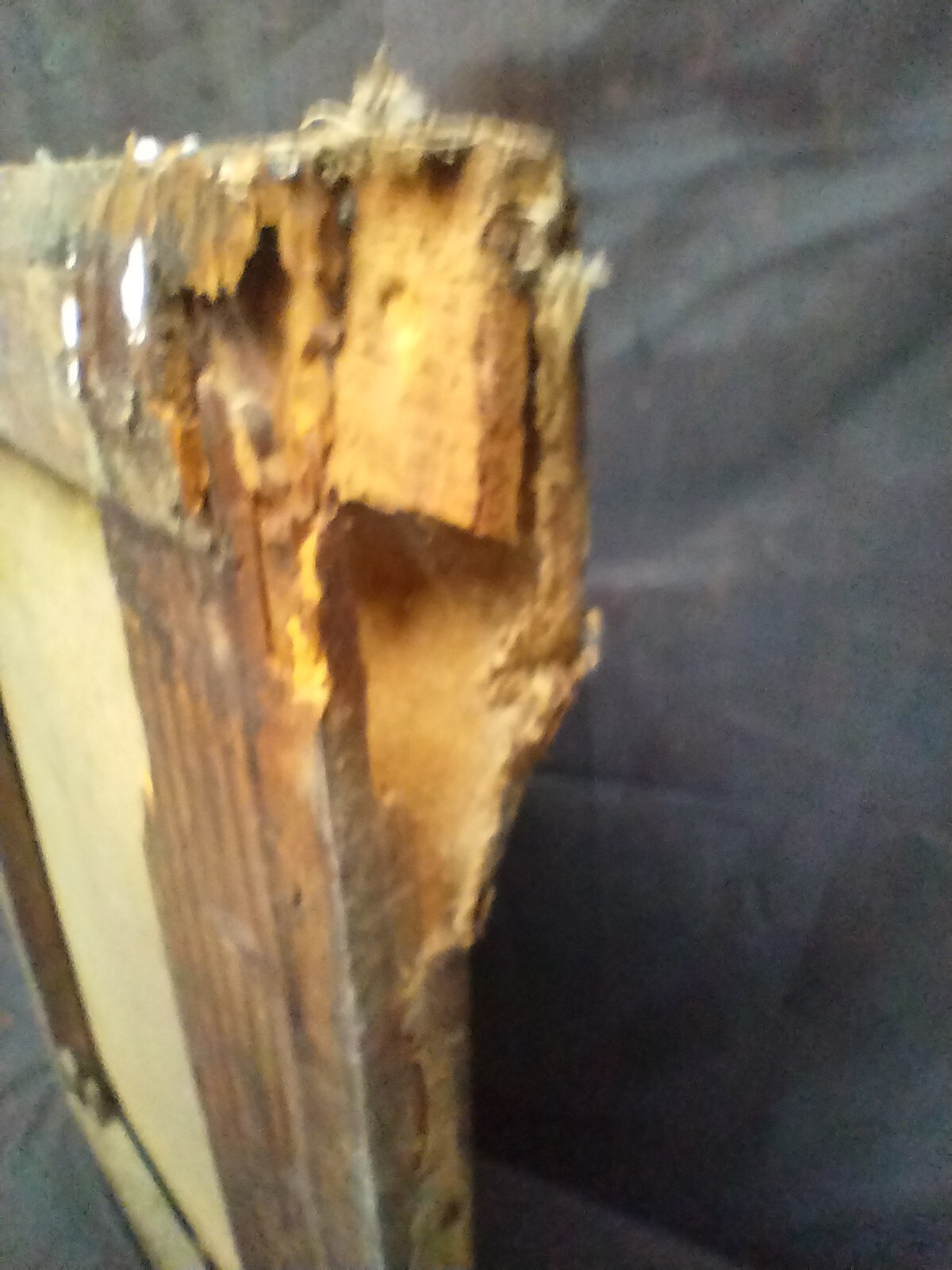
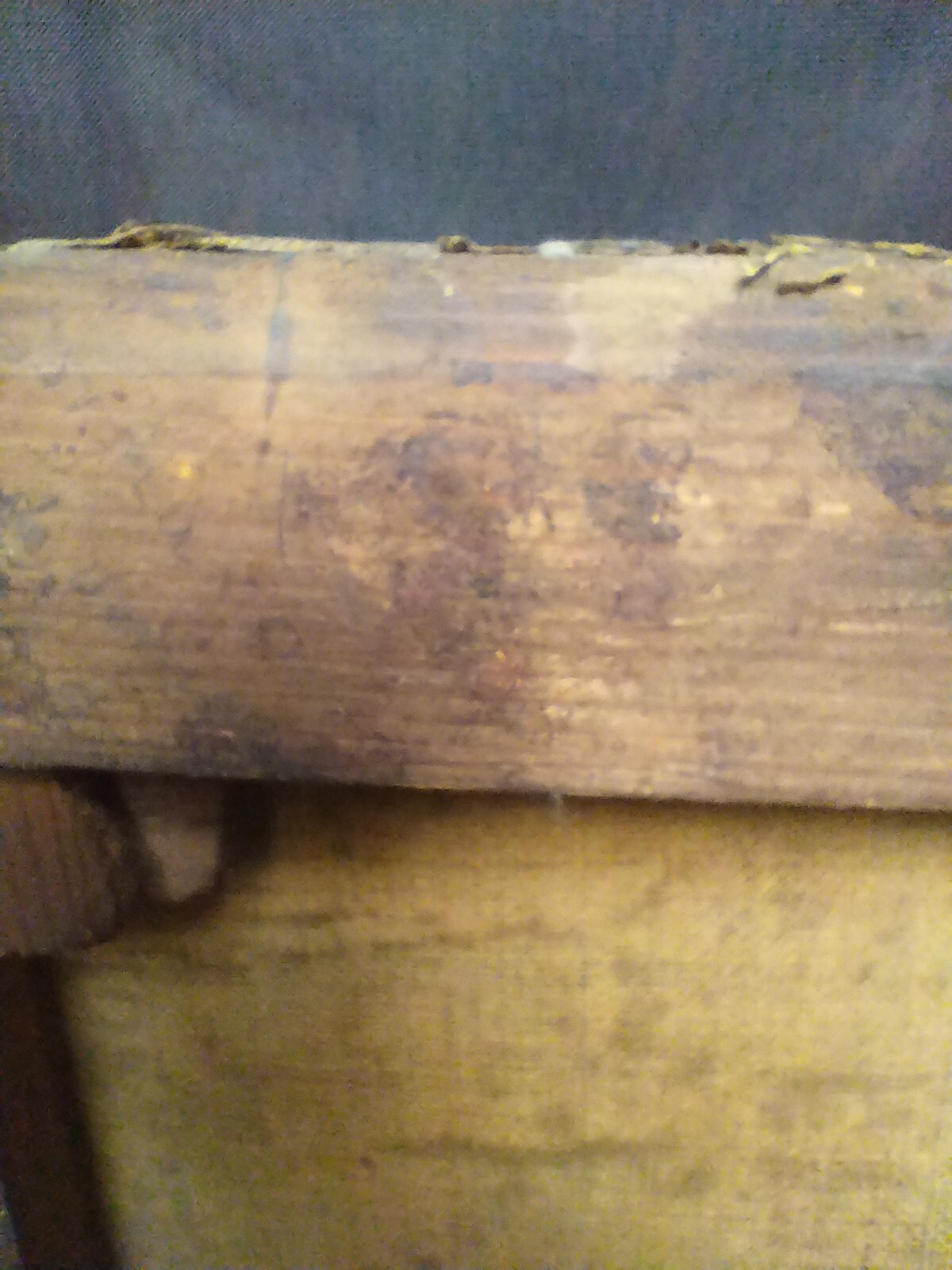
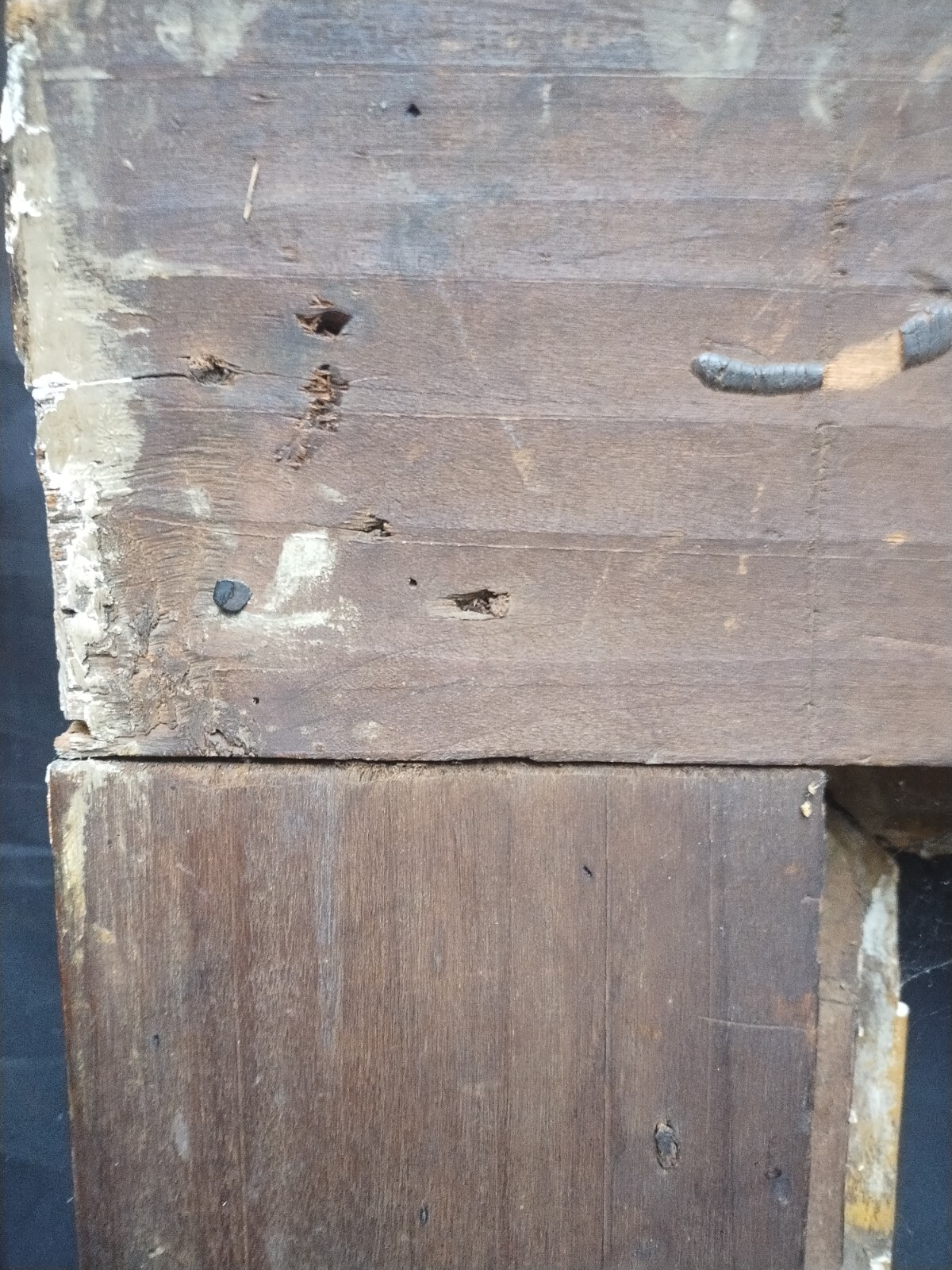
early 17th Century Bust Portrait of Marino Grimani (1532-1605) set in a fabulous Baroque period hand carved wooden frame. Grimani was the 89th Doge of Venice from (1595-1605). The painting itself without the frame measures 14.5 inches by 19.25 inches with overall height of the frame being 26 by 29.5 inches...this authentic Italian Venetian Renaissance era Baroque frame is solid carved wood with correct layered and complex lapping miter joints. It is about 4 inches deep and is spectacular... likewise the chamfered softwood stretcher without surprise is turning to dust in the upper right corner. It needs attention...Hence a slight buckle in the painting as one is unable to tighten the canvas without the repair...There are the remnants of old Inventory Labels dating more likely from the 17th century...please zoom in and explore for yourself. The frame is extremely heavy solid wood about 4 inches deep and constructed quite differently from than what most would expect.. It looks like a butt joint from the back however it is much more complicated lap with mitered joint that is layered. Look at the back. This masterpiece is no doubt old and authentic period piece. Attributing a piece as such is a real challenge. Knowing who was painting Ecclesiatical paintings in Venice at that time is researchable but these are the Heavyweight Champions of the World. It is an never ending task. Furthermore one can investigate the back and look for clues. Old labels etc. and for certain if it had that it wouldn't be in my hands and would have never slipped through the cracks. Likewise it's better to have no such labels than false ones and even so with labels etc...the experts still can't agree on some works and major auction houses such as Sotheby's Christie's (no offence guys) have fumbled the ball on several occasions. Everyday you read about a new intern discovering a Masterpiece in an institutional collection that was misattributed by some of the World's most notable auction houses and their "experts". Furthermore let's not bring in notions of corruption and politics into authenticating pieces that are valued beyond our wildest dreams. One such paintingLearn moreLeonardo da Vinci's Salvator Mundi has sold four times:
• 1958: Sold at Sotheby's in London for £45 ($72)
• 2005: Purchased at an American estate sale for $10,000
• 2013: Sold to Yves Bouvier for $75–80 million
• 2017: Sold at Christie's for $450.3 million, becoming the most expensive work of art ever sold The "Salvator Mundi" painting by Leonardo da Vinci was initially sold for a very low price of around $1,175 at a small auction in New Orleans in 2005, where it was considered to be a copy of a lost Leonardo work; this price skyrocketed when it was later authenticated and sold for $450.3 million at Christie's auction in 2017. Back to task and reality:There are a few portraits of Grimani however this particular version shows characteristics similar to that of Leandro Bassano's. Nonetheless an authentic Baroque painting of the Doge of Venice Marino Grimadi done somewhere between (1595 and 1605). Venetians were among the first to step away from wood panels and paint on canvas. If you have any questions or something to share please message me...Buyer pays shipping. Provenance: Which is stranger than fiction... however the painting unwittingly was released by a local company who authorized the sale of hundreds of estate items through a local estate sale company. They had taken legal possession of their clients (a fairly wealthy World Traveler) estate with the intention of raising funds for their ongoing maintainence of the person presently enrolled in their cryogenics program. Apparently the rising cost of such maintenance had depleted the clients assets. Perplexing to say the least but a fact. Best Regards,JohnnyJohnnyCrystal Est. 1987
early 17th Century Bust Portrait of Marino Grimani (1532-1605) set in a fabulous Baroque period hand carved wooden frame. Grimani was the 89th Doge of Venice from (1595-1605). The painting itself without the frame measures 14.5 inches by 19.25 inches with overall height of the frame being 26 by 29.5 inches...this authentic Italian Venetian Renaissance era Baroque frame is solid carved wood with correct layered and complex lapping miter joints. It is about 4 inches deep and is spectacular... likewise the chamfered softwood stretcher without surprise is turning to dust in the upper right corner. It needs attention...Hence a slight buckle in the painting as one is unable to tighten the canvas without the repair...There are the remnants of old Inventory Labels dating more likely from the 17th century...please zoom in and explore for yourself. The frame is extremely heavy solid wood about 4 inches deep and constructed quite differently from than what most would expect.. It looks like a butt joint from the back however it is much more complicated lap with mitered joint that is layered. Look at the back. This masterpiece is no doubt old and authentic period piece. Attributing a piece as such is a real challenge. Knowing who was painting Ecclesiatical paintings in Venice at that time is researchable but these are the Heavyweight Champions of the World. It is an never ending task. Furthermore one can investigate the back and look for clues. Old labels etc. and for certain if it had that it wouldn't be in my hands and would have never slipped through the cracks. Likewise it's better to have no such labels than false ones and even so with labels etc...the experts still can't agree on some works and major auction houses such as Sotheby's Christie's (no offence guys) have fumbled the ball on several occasions. Everyday you read about a new intern discovering a Masterpiece in an institutional collection that was misattributed by some of the World's most notable auction houses and their "experts". Furthermore let's not bring in notions of corruption and politics into authenticating pieces that are valued beyond our wildest dreams. One such paintingLearn moreLeonardo da Vinci's Salvator Mundi has sold four times:
• 1958: Sold at Sotheby's in London for £45 ($72)
• 2005: Purchased at an American estate sale for $10,000
• 2013: Sold to Yves Bouvier for $75–80 million
• 2017: Sold at Christie's for $450.3 million, becoming the most expensive work of art ever sold The "Salvator Mundi" painting by Leonardo da Vinci was initially sold for a very low price of around $1,175 at a small auction in New Orleans in 2005, where it was considered to be a copy of a lost Leonardo work; this price skyrocketed when it was later authenticated and sold for $450.3 million at Christie's auction in 2017. Back to task and reality:There are a few portraits of Grimani however this particular version shows characteristics similar to that of Leandro Bassano's. Nonetheless an authentic Baroque painting of the Doge of Venice Marino Grimadi done somewhere between (1595 and 1605). Venetians were among the first to step away from wood panels and paint on canvas. If you have any questions or something to share please message me...Buyer pays shipping. Provenance: Which is stranger than fiction... however the painting unwittingly was released by a local company who authorized the sale of hundreds of estate items through a local estate sale company. They had taken legal possession of their clients (a fairly wealthy World Traveler) estate with the intention of raising funds for their ongoing maintainence of the person presently enrolled in their cryogenics program. Apparently the rising cost of such maintenance had depleted the clients assets. Perplexing to say the least but a fact. Best Regards,JohnnyJohnnyCrystal Est. 1987