Asi Gonia Exhibition Kolyva
AU$ 77.62

Warriors And Maidens
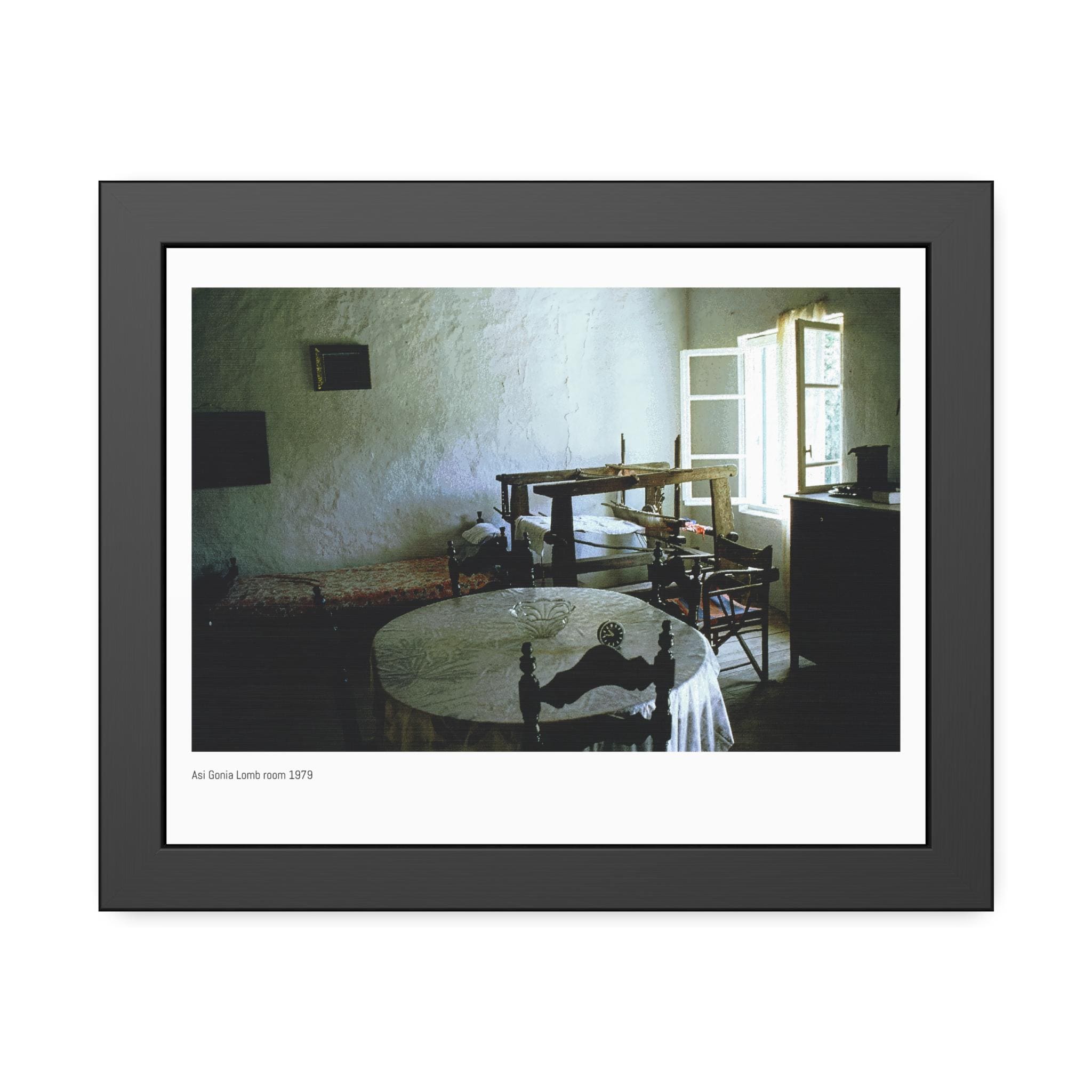
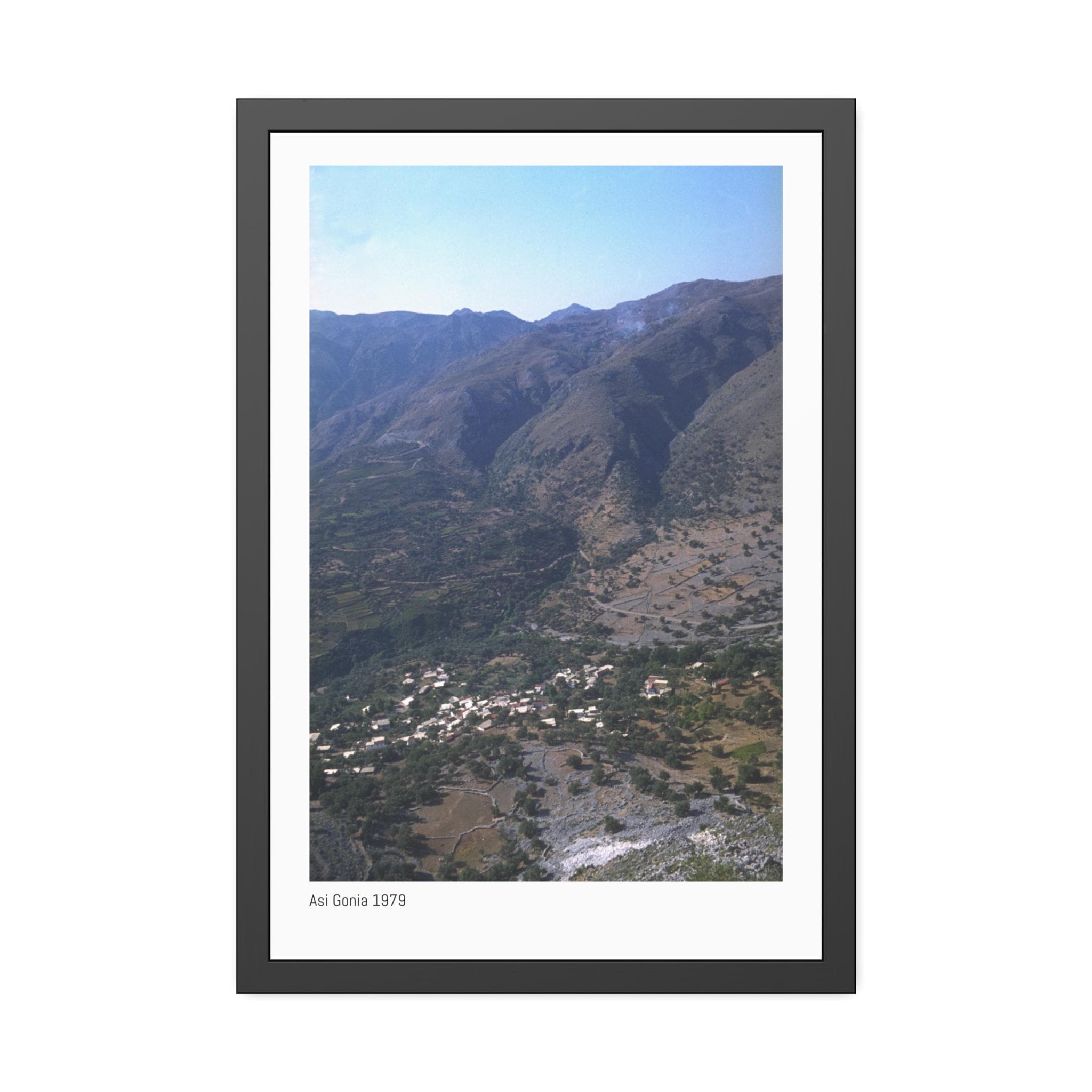
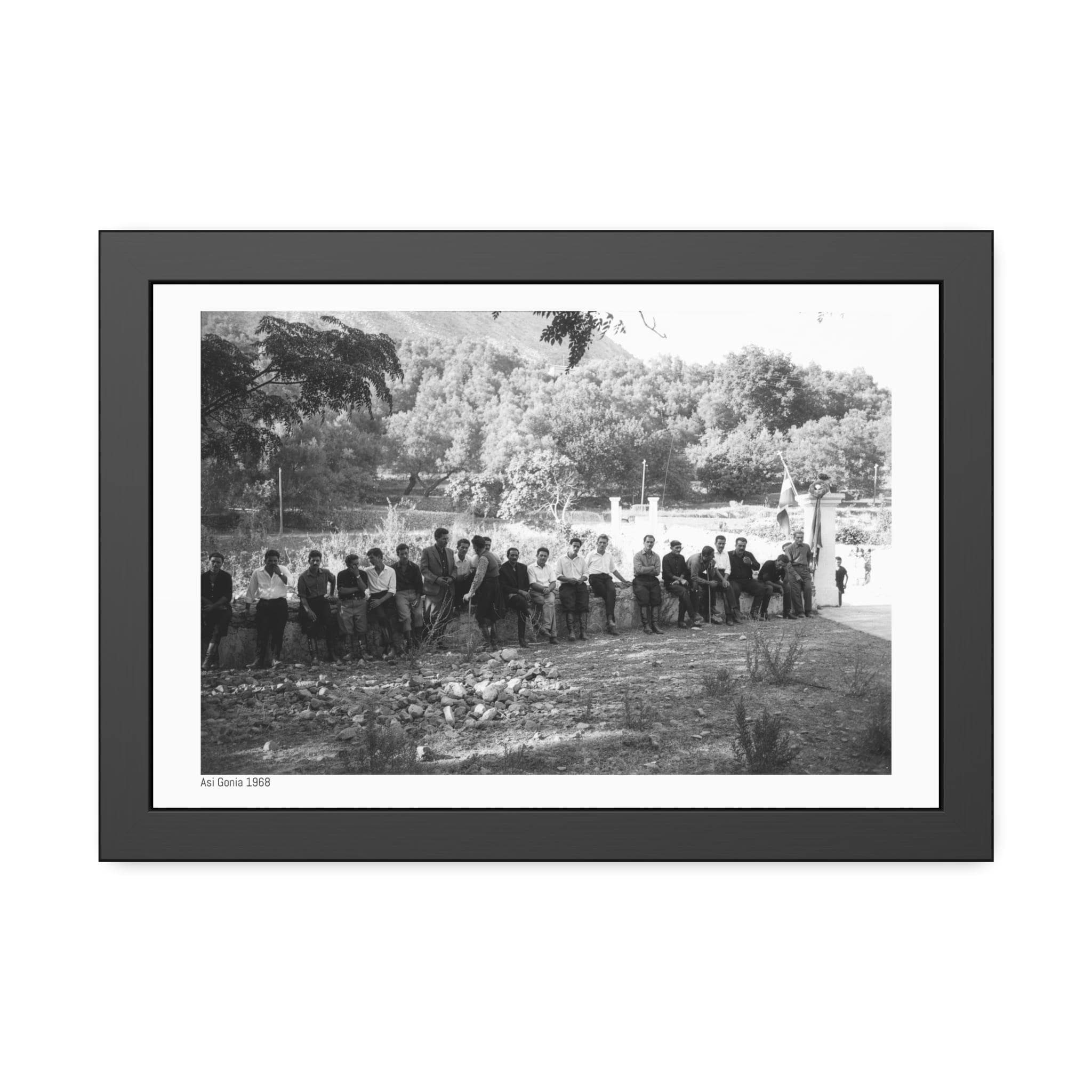
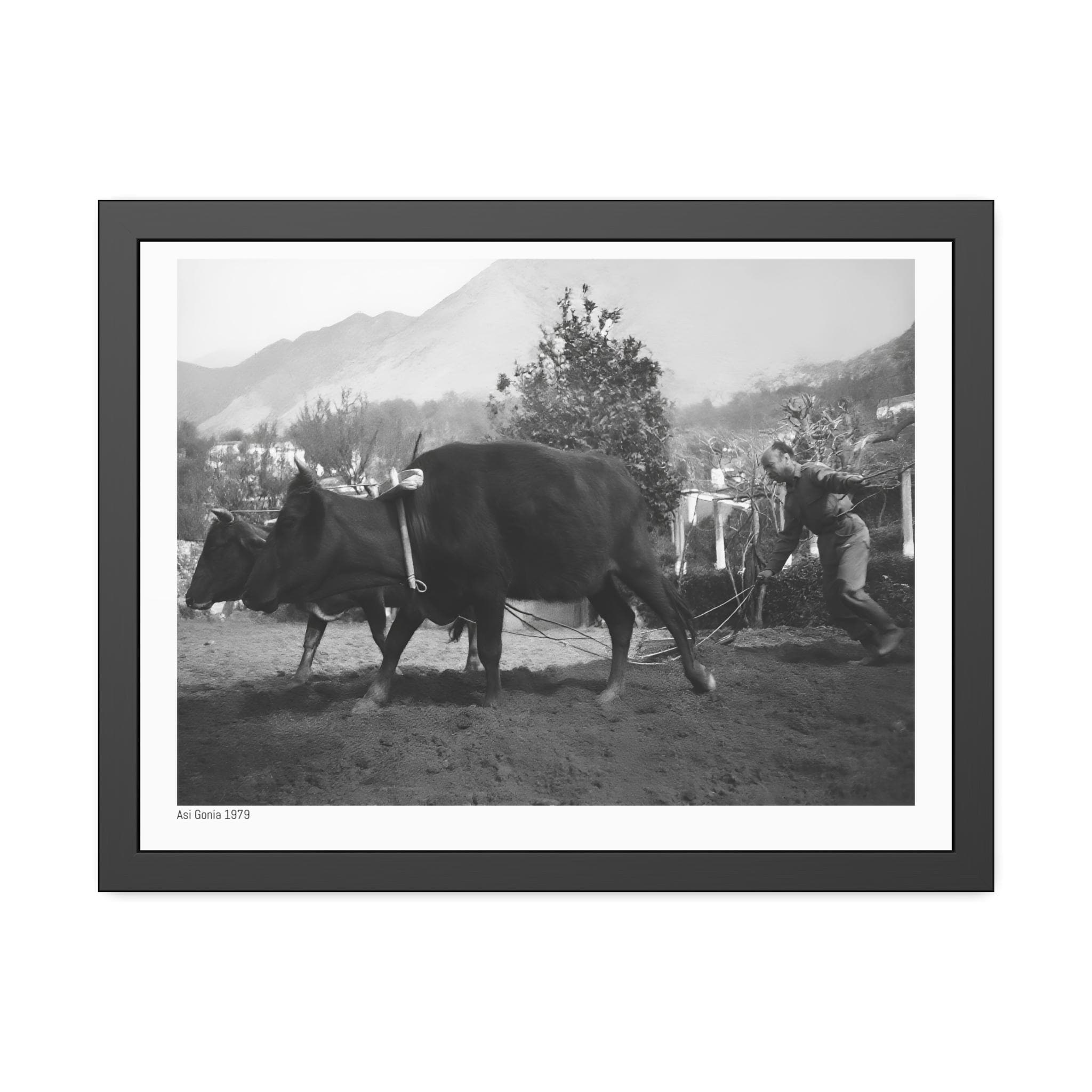
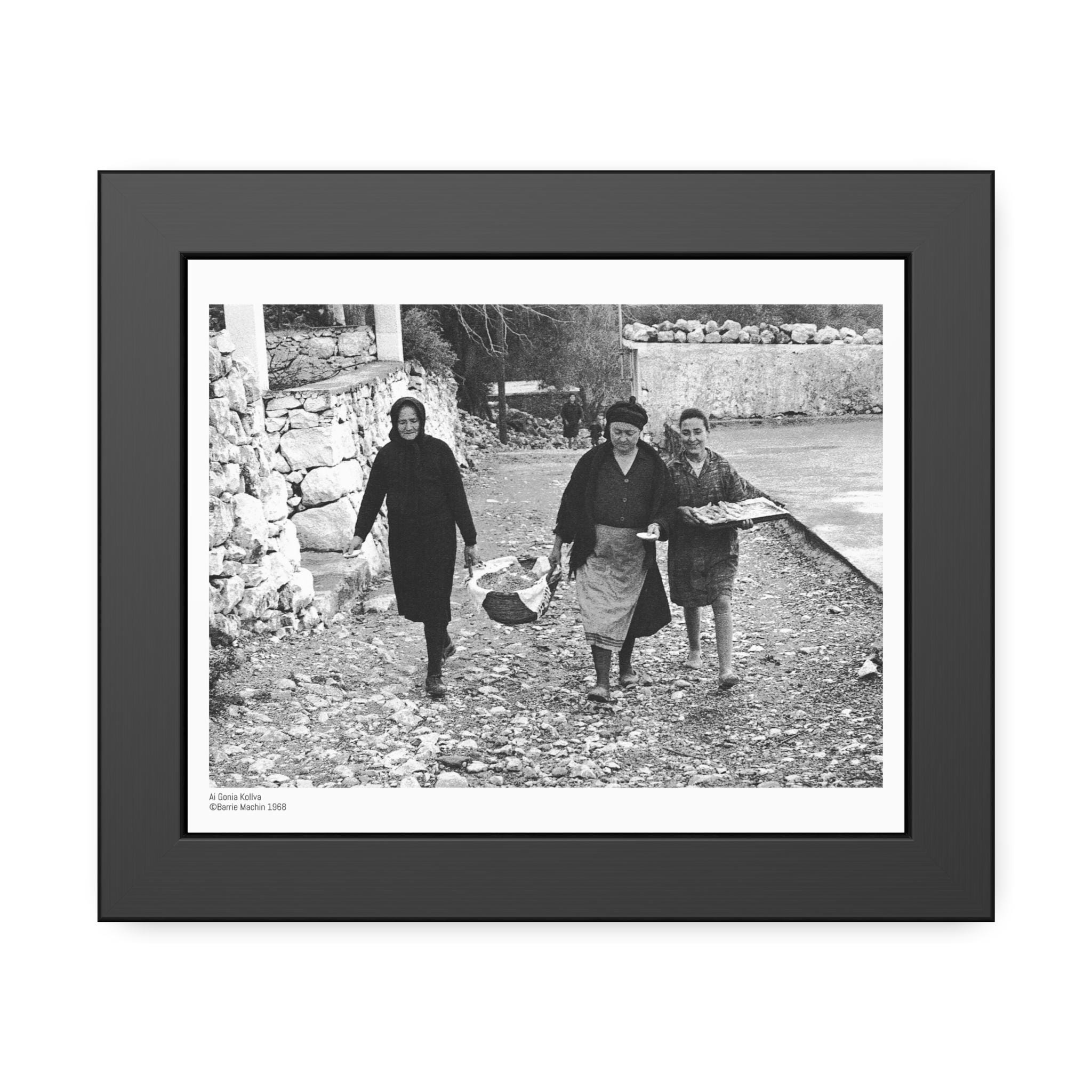
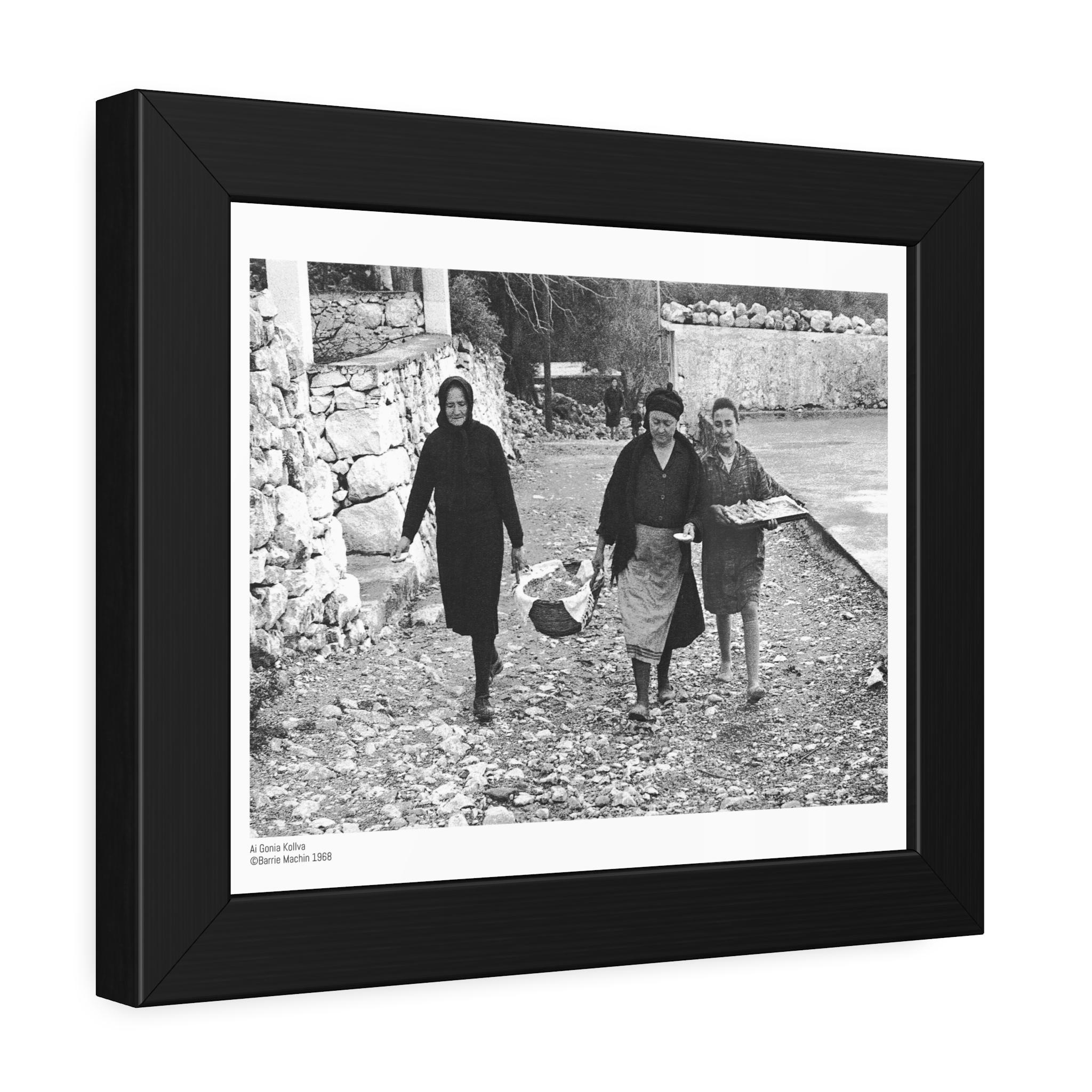
Offerings At Saint’s days and funerals villagers offer gifts of food to the dead using ancestors as well as saints for intercession, for villagers often talk as if the dead may directly participate in gifts of food and give protection through intercession in heaven. Votive offerings like food and olive oil are made to saints to treat illness or as compensation for transgressions which caused the illness. Sometimes villagers give gifts to saints to protect against sickness or gain advantage in the secular world. Such offerings (tassima) are made for all members of the family, but there are special tassima for absent members in exchange for their safe return. These offerings are often placed in the small churches, which surround the village. Families build them in payment for answered prayers.5 Thanksgiving ceremonies are held when tassima prove effective.Most adult villagers call to pay their condolences and last respects, placing candles in a sand-filled tray by the head of the deceased. They kiss the forehead of the deceased, then the icon of Christ or St. George placed on the corpse’s chest, crossing themselves several times. The men who call at the house on the day of the burial are close relatives and friends. Usually on the afternoon of the day following the death, some children ring the church bells to signal the departure of the priest from the home. Four boys accompany him to carry incense and crosses. The priest reads a service at the home of the dead for forgiveness and deliverance of the departed. These prayers remind the congregation of the evanescence of life and frailties of the flesh. There are prayers for forgiveness and the remission of sins for both the departed and the whole congregation. With the priest at its head the procession starts for the church. Behind him and the children and women carrying kolyva, four close male relatives carry the bier or coffin. The main street of Asi Gonia is lined with villagers, the women crying, singing and crossing themselves as the cortege passes. The breach in the family and community caused by death is healed over slowly. It may take up to six years for full incorporation into the supernatural world and the re-establishment of everyday life of the community: memorial services are held on the ninth and fortieth day after death (the seranta), at three monthly intervals (trimina, xamina, niamina), up to a year, and thereafter, if the family can afford them, on the second, fifth and tenth anniversaries of the death. A week before a memorial service women prepare large amounts of kolyva, boiling about eight okhades of wheatgerm with sweets and perfume, laying it out to dry on a tray. Decanted broth from the kolyva is drunk by the family and neighbours before it is distributed.A framed paper poster that brings quiet, lived-in moments into your home. Printed on your choice of textured fine art paper or bright semi-gloss photo paper, the image sits beneath shatter‑proof plexiglass inside a matte black pinewood frame. The brown paper backing and pre‑installed hanging hardware mean it arrives ready to hang and sit straight against the wall. The clean black frame and crisp printing let soft black-and-white photography or detailed illustrations read clearly from across the room, adding a thoughtful, museum-like presence to a hallway, study, or living space.Product features - Two paper choices: fine art (310 gsm) or semi-gloss photo (260 gsm) - Matte black 100% pinewood frame with brown paper backing - Shatter‑proof plexiglass glazing for safe, clear display - Pre‑installed hanging hardware and rubber bumpers — ready to hang - Available in 10 sizes, horizontal and vertical orientationsCare instructions - Clean framed prints with a slightly wet cloth when necessary.
Offerings At Saint’s days and funerals villagers offer gifts of food to the dead using ancestors as well as saints for intercession, for villagers often talk as if the dead may directly participate in gifts of food and give protection through intercession in heaven. Votive offerings like food and olive oil are made to saints to treat illness or as compensation for transgressions which caused the illness. Sometimes villagers give gifts to saints to protect against sickness or gain advantage in the secular world. Such offerings (tassima) are made for all members of the family, but there are special tassima for absent members in exchange for their safe return. These offerings are often placed in the small churches, which surround the village. Families build them in payment for answered prayers.5 Thanksgiving ceremonies are held when tassima prove effective.Most adult villagers call to pay their condolences and last respects, placing candles in a sand-filled tray by the head of the deceased. They kiss the forehead of the deceased, then the icon of Christ or St. George placed on the corpse’s chest, crossing themselves several times. The men who call at the house on the day of the burial are close relatives and friends. Usually on the afternoon of the day following the death, some children ring the church bells to signal the departure of the priest from the home. Four boys accompany him to carry incense and crosses. The priest reads a service at the home of the dead for forgiveness and deliverance of the departed. These prayers remind the congregation of the evanescence of life and frailties of the flesh. There are prayers for forgiveness and the remission of sins for both the departed and the whole congregation. With the priest at its head the procession starts for the church. Behind him and the children and women carrying kolyva, four close male relatives carry the bier or coffin. The main street of Asi Gonia is lined with villagers, the women crying, singing and crossing themselves as the cortege passes. The breach in the family and community caused by death is healed over slowly. It may take up to six years for full incorporation into the supernatural world and the re-establishment of everyday life of the community: memorial services are held on the ninth and fortieth day after death (the seranta), at three monthly intervals (trimina, xamina, niamina), up to a year, and thereafter, if the family can afford them, on the second, fifth and tenth anniversaries of the death. A week before a memorial service women prepare large amounts of kolyva, boiling about eight okhades of wheatgerm with sweets and perfume, laying it out to dry on a tray. Decanted broth from the kolyva is drunk by the family and neighbours before it is distributed.A framed paper poster that brings quiet, lived-in moments into your home. Printed on your choice of textured fine art paper or bright semi-gloss photo paper, the image sits beneath shatter‑proof plexiglass inside a matte black pinewood frame. The brown paper backing and pre‑installed hanging hardware mean it arrives ready to hang and sit straight against the wall. The clean black frame and crisp printing let soft black-and-white photography or detailed illustrations read clearly from across the room, adding a thoughtful, museum-like presence to a hallway, study, or living space.Product features - Two paper choices: fine art (310 gsm) or semi-gloss photo (260 gsm) - Matte black 100% pinewood frame with brown paper backing - Shatter‑proof plexiglass glazing for safe, clear display - Pre‑installed hanging hardware and rubber bumpers — ready to hang - Available in 10 sizes, horizontal and vertical orientationsCare instructions - Clean framed prints with a slightly wet cloth when necessary.