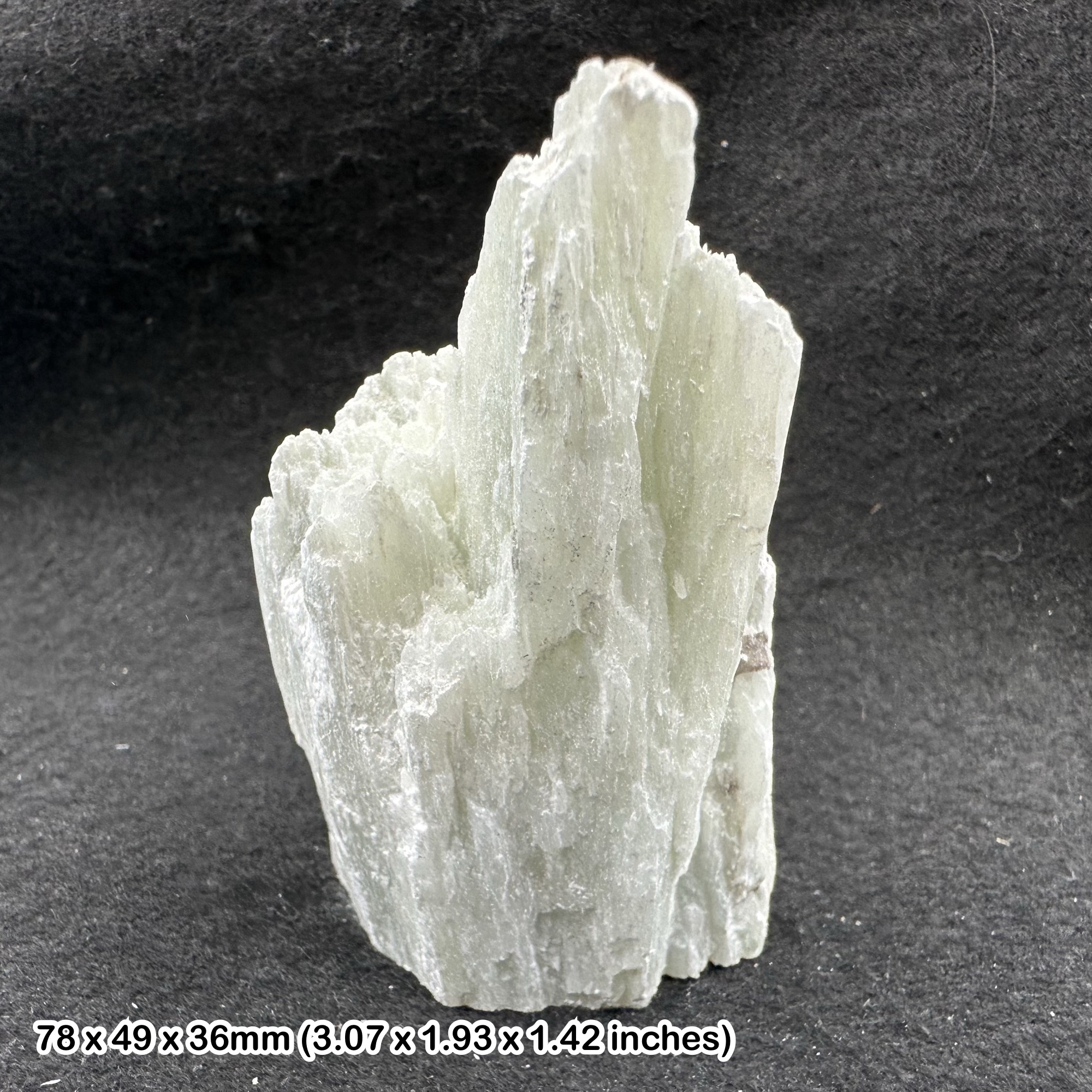
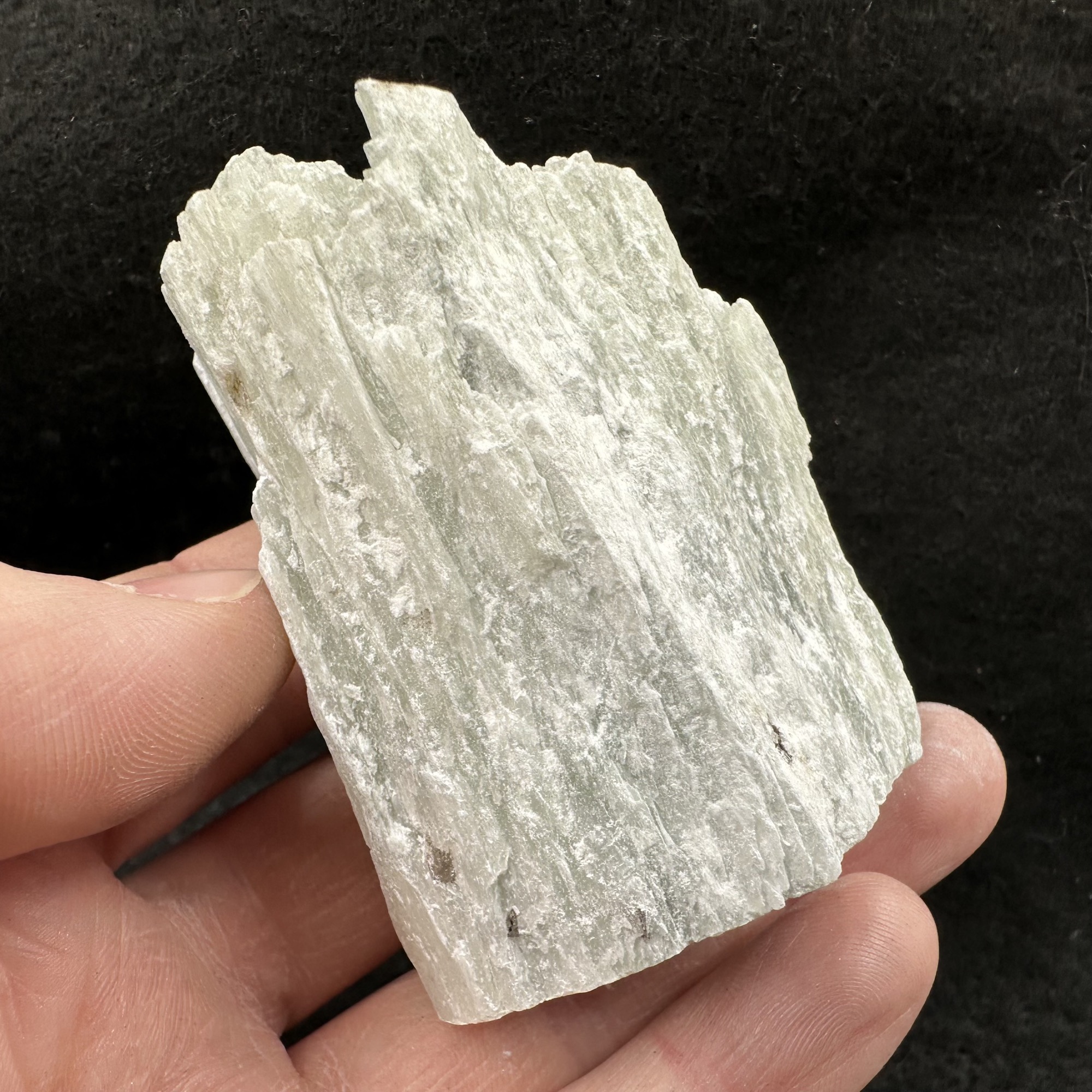
Green Talc Mineral Specimen Egypt Natural Soft Phyllosilicate Crystal
£ 9.00
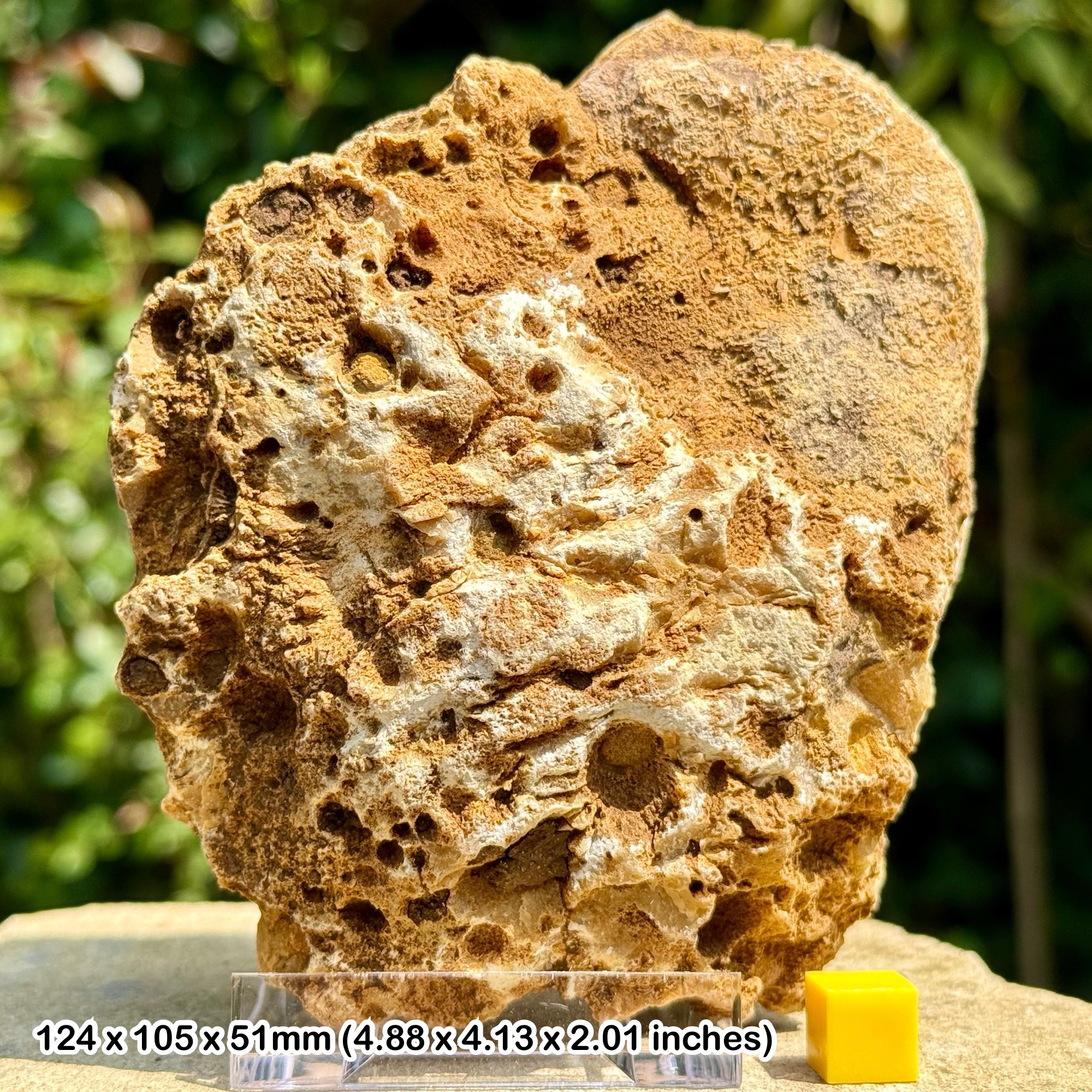
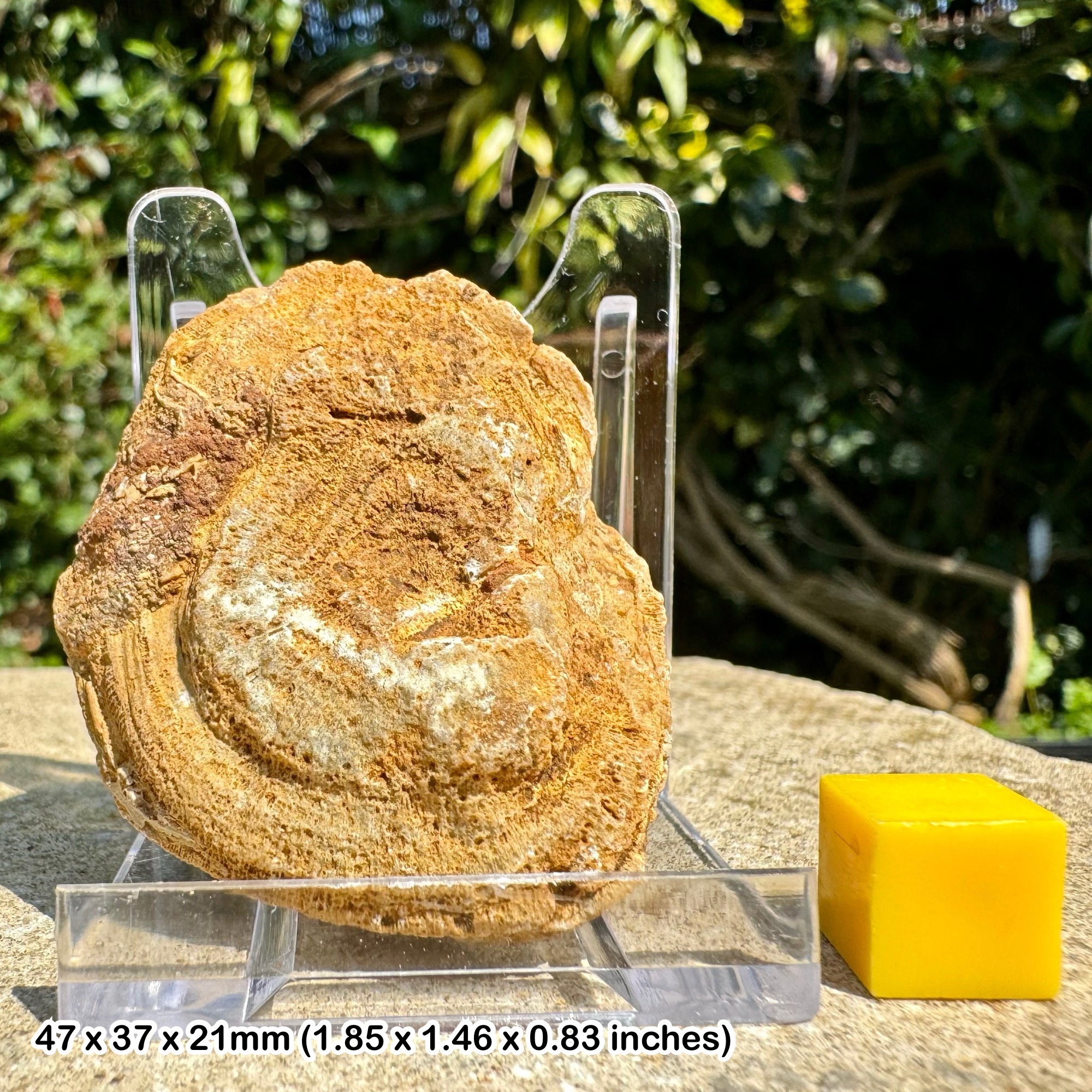
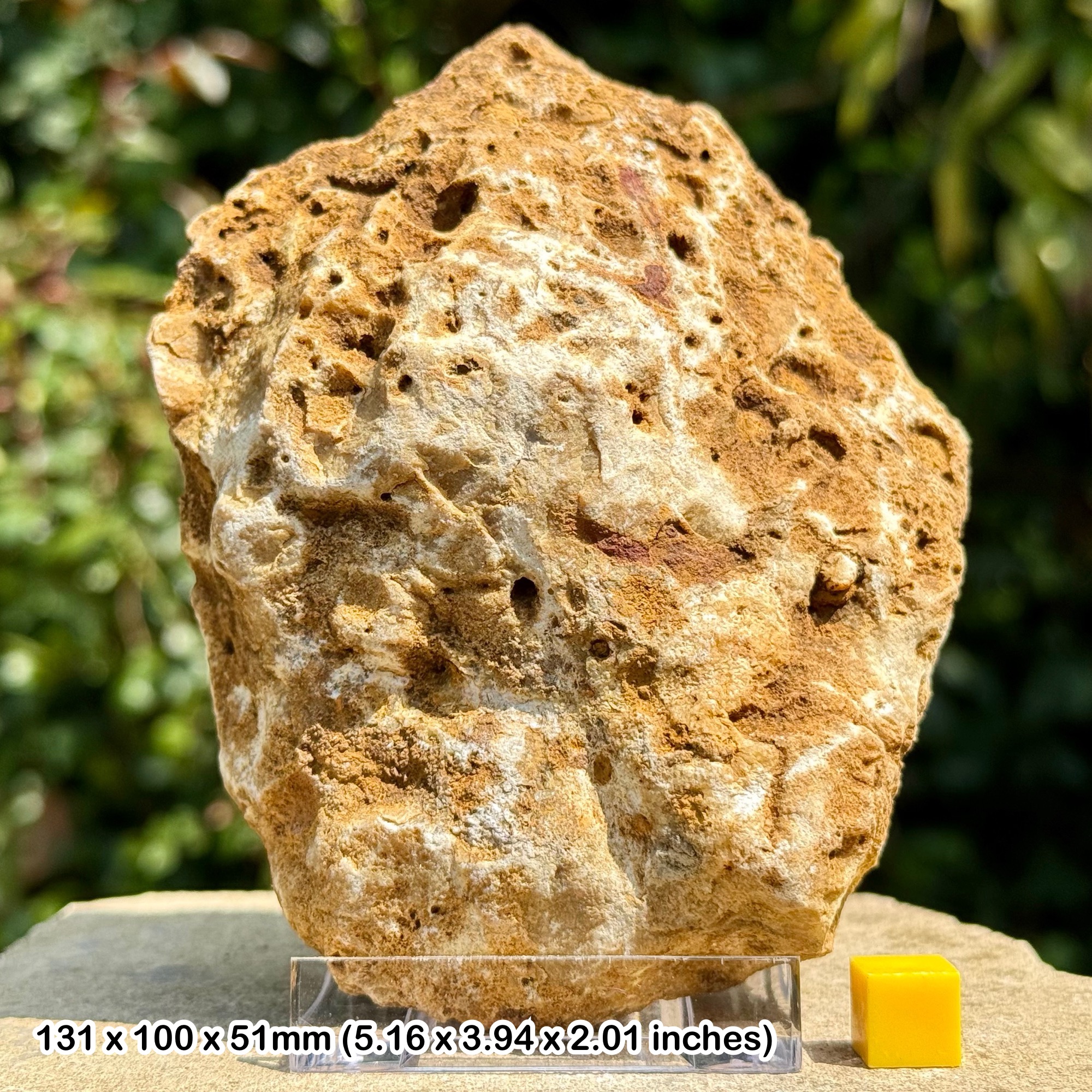
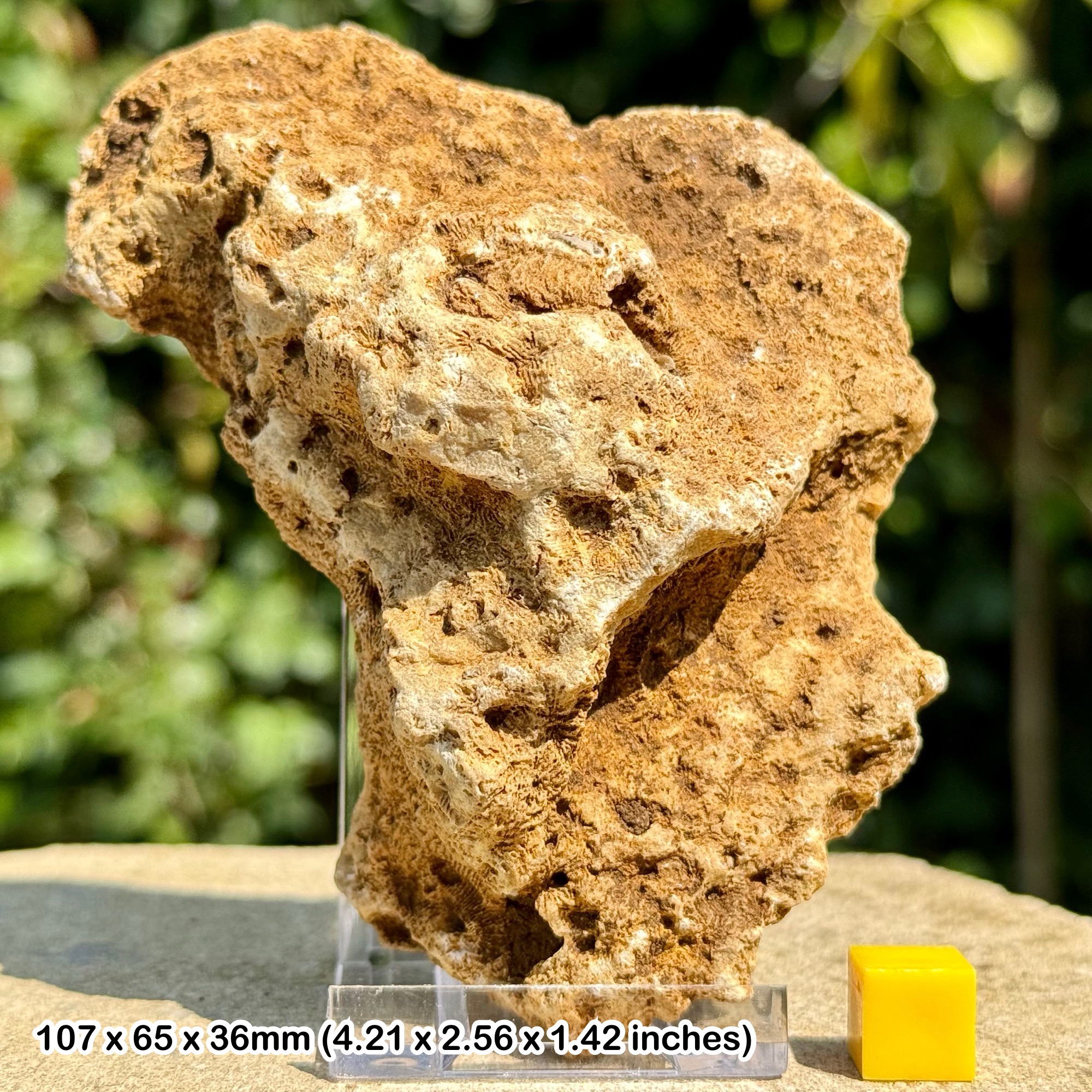
GREEN TALC MINERAL SPECIMEN – EGYPTThis natural Green Talc mineral specimen from Egypt is a genuine crystal example
carefully selected for its colour, texture and display quality. The photograph shows the exact piece you will receive. Please refer to the listing images for full sizing and scale details to appreciate its natural formation.Each specimen includes a Certificate of Authenticity lifetime guarantee generic card, confirming that it is a genuine natural Talc mineral. MINERAL CLASSIFICATION & CHEMICAL COMPOSITIONTalc is a magnesium silicate hydroxide mineral with the chemical formula Mg₃Si₄O₁₀(OH)₂. It belongs to the phyllosilicate group, meaning it has a sheet-like crystal structure similar to other layered silicate minerals. Talc crystallises in the monoclinic crystal system, although distinct crystals are uncommon. It is typically found in massive, foliated or fibrous aggregates.Talc is widely recognised as the softest mineral on the Mohs hardness scale, ranking at 1. Its softness gives it a characteristic smooth, soapy feel when handled. Despite this softness, Talc can form compact and visually appealing mineral specimens suitable for collecting and display.Green Talc derives its colour from trace elements or mineral inclusions present during formation. The shade can range from pale green to deeper olive tones, often with a matte to slightly pearly lustre on cleavage surfaces. GEOLOGICAL FORMATION & OCCURRENCETalc forms primarily through metamorphic processes, particularly in magnesium-rich rocks such as peridotite, pyroxenite and dolomitic limestone. It develops when these rocks undergo alteration under heat and pressure in the presence of water-rich fluids, a process known as hydrothermal metamorphism.In Egypt, Talc deposits are commonly associated with metamorphosed ultramafic rocks and ancient geological terranes shaped by tectonic activity. These environments provide the necessary magnesium-rich conditions for Talc to form over geological timescales.Talc may occur alongside minerals such as chlorite, serpentine, magnesite, dolomite and tremolite, depending on the host rock composition and metamorphic history. PHYSICAL CHARACTERISTICS & STRUCTUREThis Green Talc specimen displays:
• Natural green colouration
• Fine-grained to massive structure
• Smooth texture typical of Talc
• Subtle sheen on cleavage surfacesDue to its sheet silicate structure, Talc can exhibit a platy or foliated appearance when broken along cleavage planes. The mineral’s softness allows for distinctive textures that differ from harder silicate minerals such as quartz or feldspar.No dyes, coatings or artificial enhancements have been applied. The colour and structure are entirely natural. COLLECTOR & EDUCATIONAL VALUETalc is a significant mineral species in geology due to its position at the base of the Mohs hardness scale and its role in metamorphic mineral assemblages. A Green Talc specimen is an excellent addition to:
• Mineral and crystal collections
• Educational geology sets
• Study displays demonstrating hardness scale comparisons
• Cabinet display arrangements
• Natural mineral décor collectionsIts soft texture and muted green tones create a distinctive visual and tactile contrast compared to harder crystalline minerals. TRADITIONAL & CULTURAL CONTEXTIn some cultural traditions, green minerals have been symbolically associated with growth and balance. These associations are spiritual or symbolic interpretations and are not presented as scientific or medical claims. AUTHENTICITY & ASSURANCE
• 100% genuine natural Green Talc
• Phyllosilicate mineral species
• Sourced from Egypt
• Carefully selected individual specimen
• Includes Certificate of Authenticity lifetime guarantee generic card
• The exact specimen shown in the photographs is the one you will receiveThis Green Talc mineral specimen from Egypt represents a classic example of magnesium-rich metamorphic mineral formation, valued for its softness, geological significance and distinctive natural colour within mineral collections.
carefully selected for its colour, texture and display quality. The photograph shows the exact piece you will receive. Please refer to the listing images for full sizing and scale details to appreciate its natural formation.Each specimen includes a Certificate of Authenticity lifetime guarantee generic card, confirming that it is a genuine natural Talc mineral. MINERAL CLASSIFICATION & CHEMICAL COMPOSITIONTalc is a magnesium silicate hydroxide mineral with the chemical formula Mg₃Si₄O₁₀(OH)₂. It belongs to the phyllosilicate group, meaning it has a sheet-like crystal structure similar to other layered silicate minerals. Talc crystallises in the monoclinic crystal system, although distinct crystals are uncommon. It is typically found in massive, foliated or fibrous aggregates.Talc is widely recognised as the softest mineral on the Mohs hardness scale, ranking at 1. Its softness gives it a characteristic smooth, soapy feel when handled. Despite this softness, Talc can form compact and visually appealing mineral specimens suitable for collecting and display.Green Talc derives its colour from trace elements or mineral inclusions present during formation. The shade can range from pale green to deeper olive tones, often with a matte to slightly pearly lustre on cleavage surfaces. GEOLOGICAL FORMATION & OCCURRENCETalc forms primarily through metamorphic processes, particularly in magnesium-rich rocks such as peridotite, pyroxenite and dolomitic limestone. It develops when these rocks undergo alteration under heat and pressure in the presence of water-rich fluids, a process known as hydrothermal metamorphism.In Egypt, Talc deposits are commonly associated with metamorphosed ultramafic rocks and ancient geological terranes shaped by tectonic activity. These environments provide the necessary magnesium-rich conditions for Talc to form over geological timescales.Talc may occur alongside minerals such as chlorite, serpentine, magnesite, dolomite and tremolite, depending on the host rock composition and metamorphic history. PHYSICAL CHARACTERISTICS & STRUCTUREThis Green Talc specimen displays:
• Natural green colouration
• Fine-grained to massive structure
• Smooth texture typical of Talc
• Subtle sheen on cleavage surfacesDue to its sheet silicate structure, Talc can exhibit a platy or foliated appearance when broken along cleavage planes. The mineral’s softness allows for distinctive textures that differ from harder silicate minerals such as quartz or feldspar.No dyes, coatings or artificial enhancements have been applied. The colour and structure are entirely natural. COLLECTOR & EDUCATIONAL VALUETalc is a significant mineral species in geology due to its position at the base of the Mohs hardness scale and its role in metamorphic mineral assemblages. A Green Talc specimen is an excellent addition to:
• Mineral and crystal collections
• Educational geology sets
• Study displays demonstrating hardness scale comparisons
• Cabinet display arrangements
• Natural mineral décor collectionsIts soft texture and muted green tones create a distinctive visual and tactile contrast compared to harder crystalline minerals. TRADITIONAL & CULTURAL CONTEXTIn some cultural traditions, green minerals have been symbolically associated with growth and balance. These associations are spiritual or symbolic interpretations and are not presented as scientific or medical claims. AUTHENTICITY & ASSURANCE
• 100% genuine natural Green Talc
• Phyllosilicate mineral species
• Sourced from Egypt
• Carefully selected individual specimen
• Includes Certificate of Authenticity lifetime guarantee generic card
• The exact specimen shown in the photographs is the one you will receiveThis Green Talc mineral specimen from Egypt represents a classic example of magnesium-rich metamorphic mineral formation, valued for its softness, geological significance and distinctive natural colour within mineral collections.
Other Products