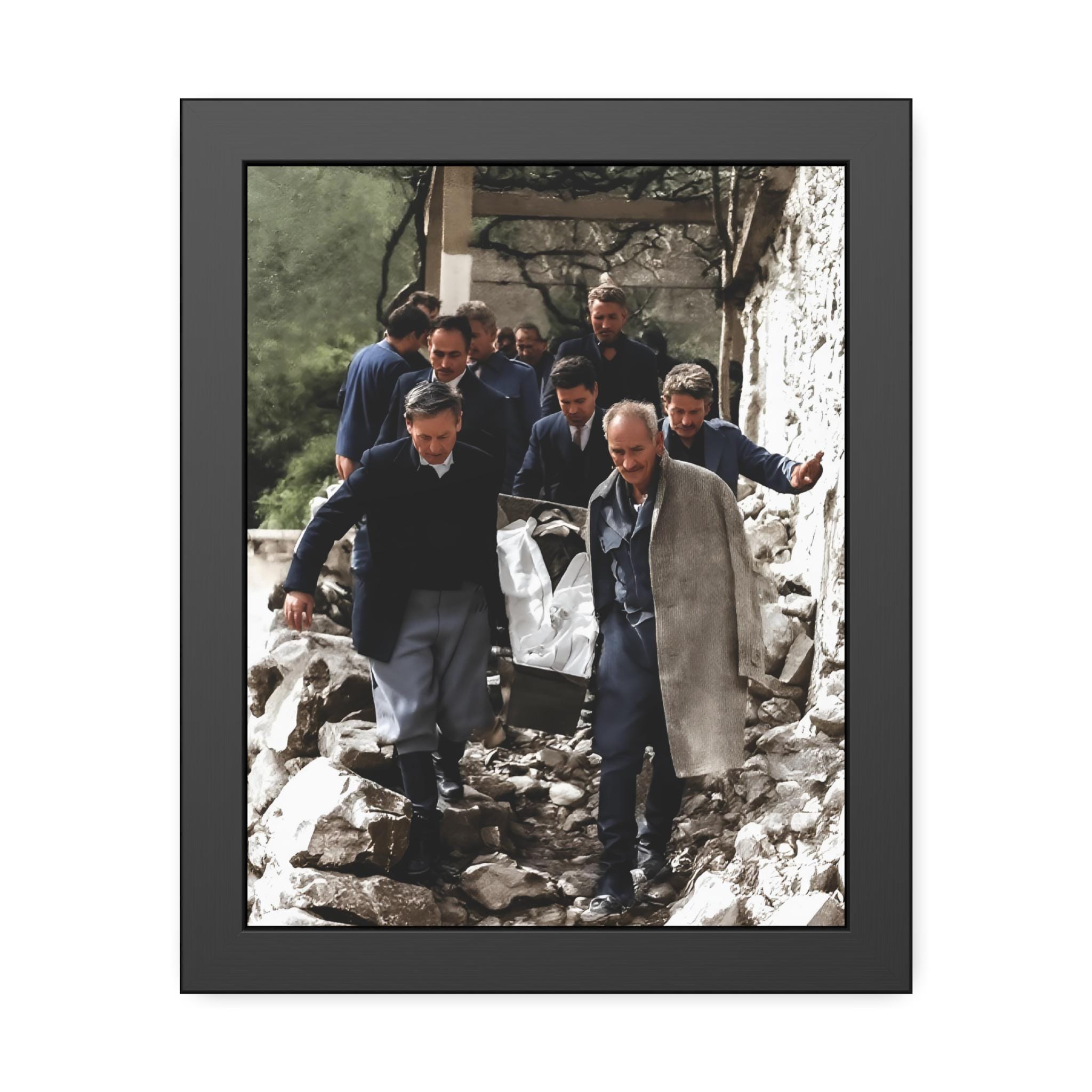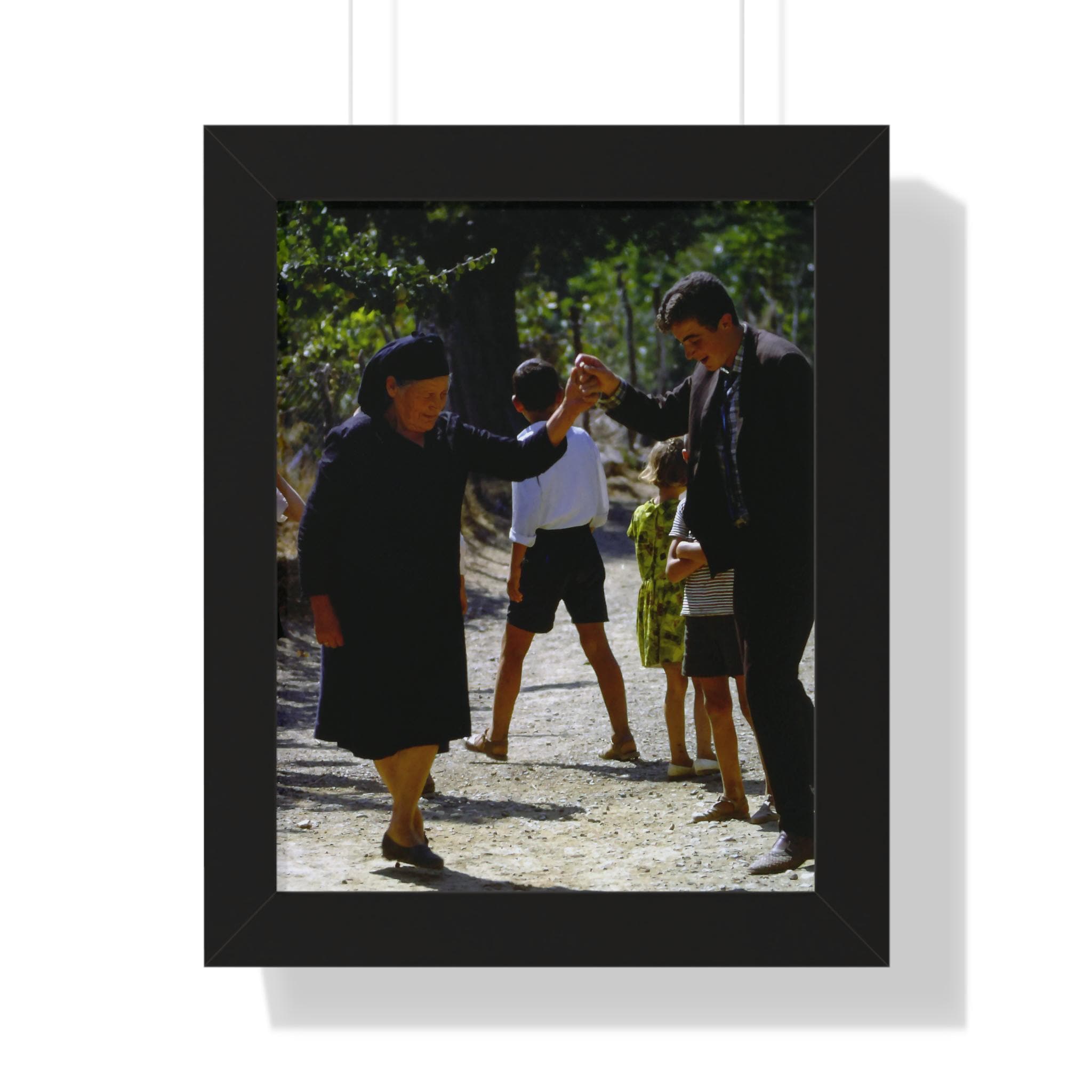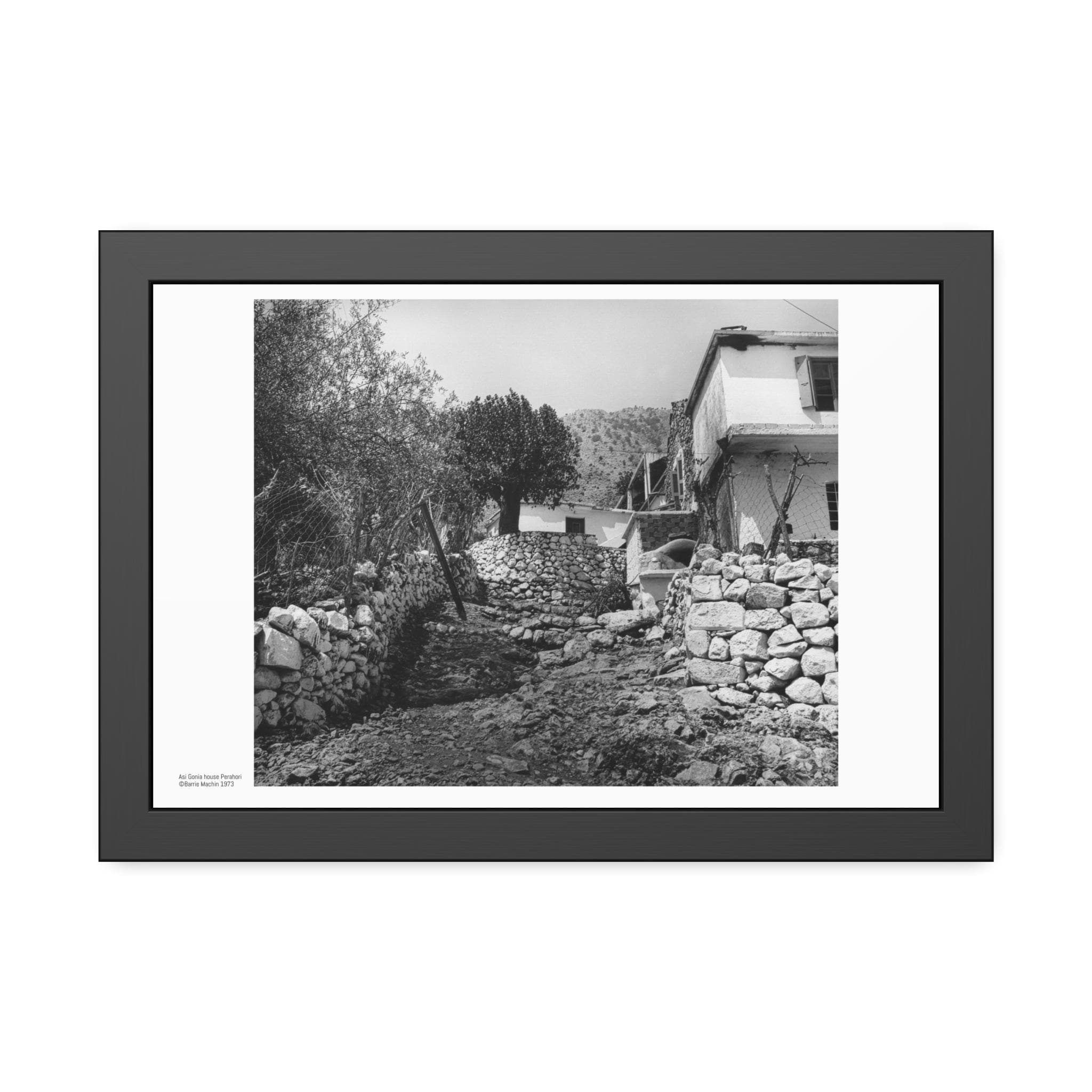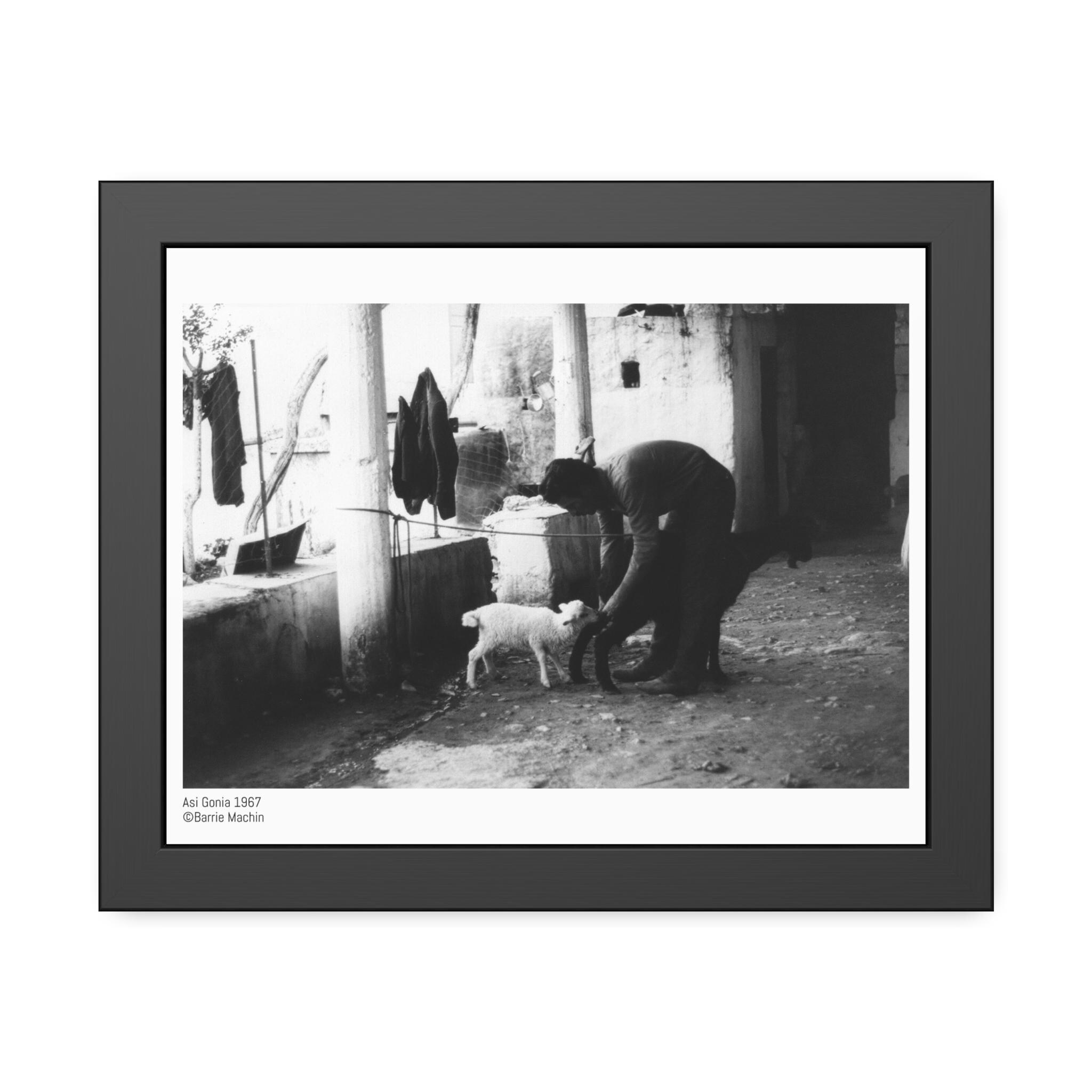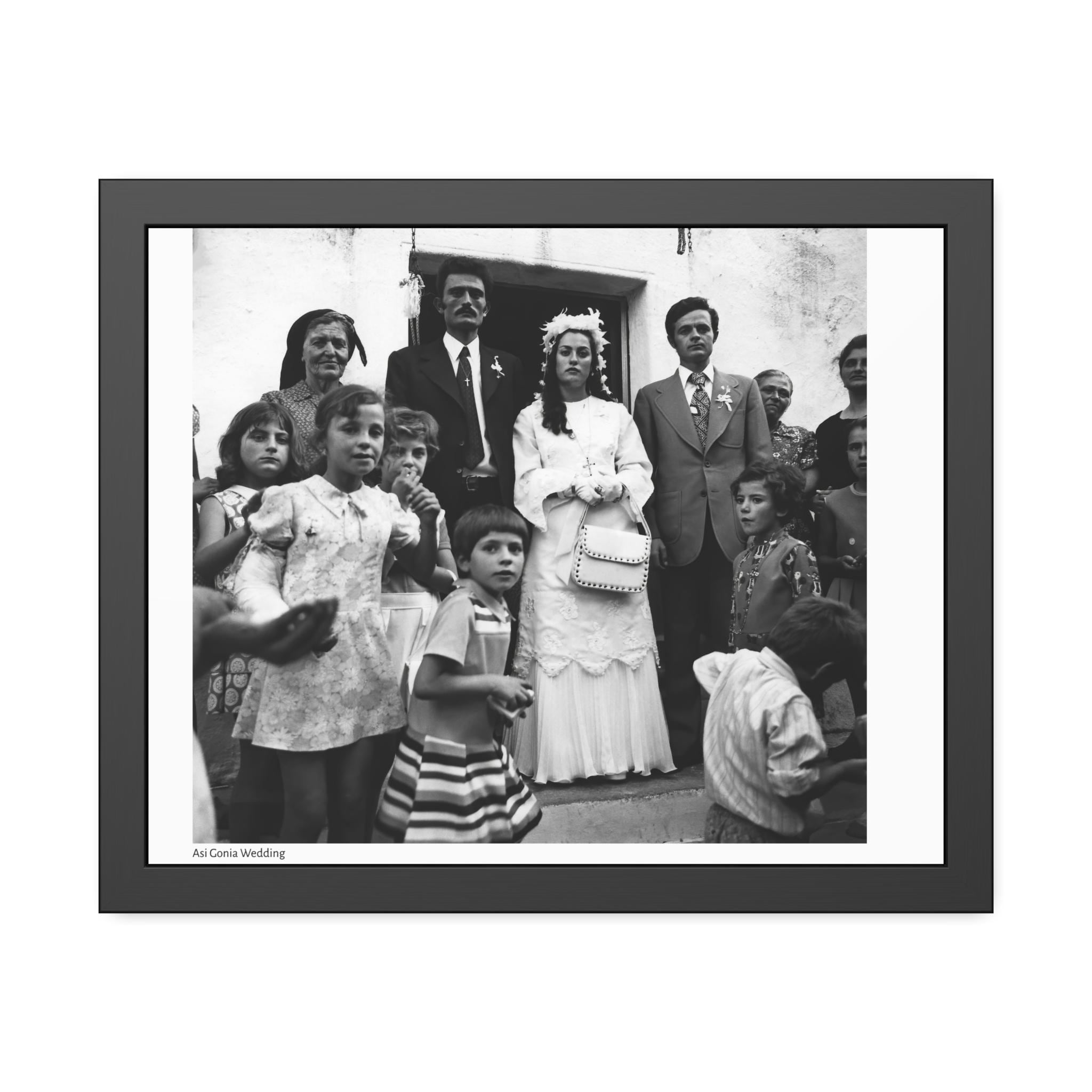
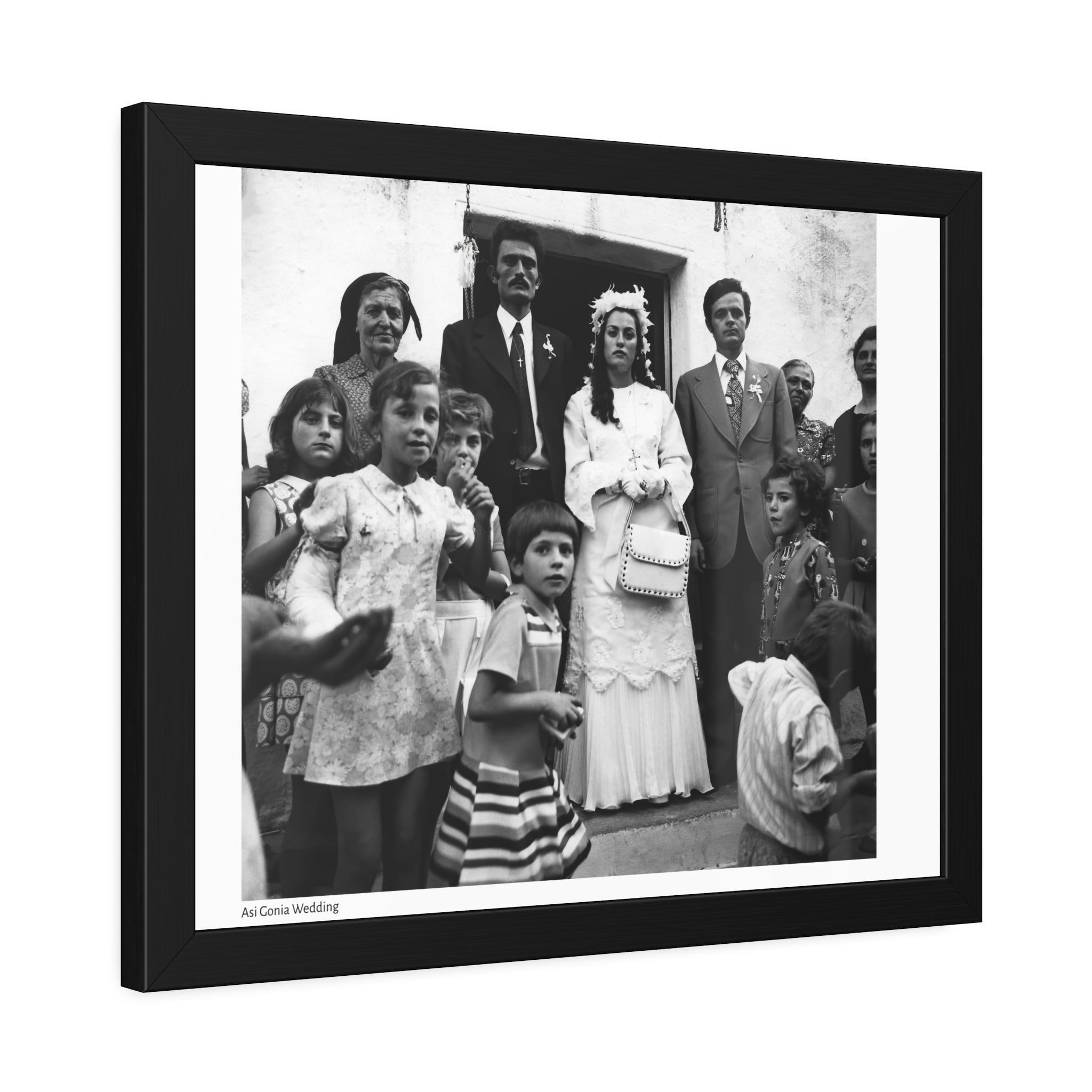
Asi Gonia Exhibition Wedding
AU$ 119.67

Warriors And Maidens The Orthodox service comprises a unification of two
ceremonies, the rite of Betrothal and the rite of Coronation, which is the actual sacrament of marriage.1There is an opening prayer after which the priest blesses two wedding rings, putting them on the bride and groom. The best man (kumbaros) then exchanges their rings three times, in honour of the trinity and because a circle symbolizes eternity; it represents the finality of their decision, and ‘unreserved trust.’ The rings also, as the service says, gives access to the inner treasure house. Thus, the rings symbolize sexual, reproductive and psychological intimacy. A litany for the rite of crowning follows the final prayer of the betrothal. The priest asks for God’s blessings that there be full and perfect love between the couple, and they be blessed with children and that they always be hospitable, generous and aid those in distress. The two crowns are blessed and placed on the heads of the couple for honour and glory. Once again the crowns are exchanged three times. As the crowns suggest they are king and queen in their own house, and the wife’s relation to the husband is worshipful. The crowns also symbolize joy and martyrdom: the happiness of marriage and the need for self-sacrifice. There follow readings from the scriptures describing the love which should exist between man and wife: Master, Who in the beginning created man, and appointed him as the king of creation, and said, ‘It is not good for man to be alone upon the earth; let us make a helpmate for him;’ then, taking one of his ribs, made woman, whom when Adam saw, he said, ‘This is now bone of my bones, and flesh of my flesh, for she was taken out of her man. For this cause shall a man forsake his father and his mother, and cleave unto his wife, and two shall be one flesh;’ and ‘whom God has joined together, let no man put asunder.’ And now, O Master, Lord our God, send down Your heavenly Grace upon these Your servants, (Name) and (Name), and grant unto this woman to be in all things subject unto the man, and to this Your servant to be at the head of the woman, that they live according to Your Will. Wives, be subject to your husbands, as to the Lord. For the husband is the head of the wife as Christ is the head of the church, his body, and is himself its Saviour. As the church is subject to Christ, so let wives be also subject in everything to their husbands. Husbands, love your wives, as Christ loved the church and gave himself up for her, that he might sanctify her, having cleansed her by the washing of water with the word, that he might present the church to himself in splendour, without spot or wrinkle or any such thing, that she might be holy and without blemish. Even so husbands should love their wives as their own bodies. He who loves his wife loves himself. For no man ever hates his own flesh, but nourishes and cherishes it, as Christ does the church, because we are members of his body.2 After the liturgy a cup of wine is blessed, and the couple drink from it to symbolize the things they will share in common. There is a procession, led by the couple, three times round the table, again symbolizing the Trinity and the eternal nature of their commitment. The priest removes the crowns, says two short prayers for the bride and groom and gives the final blessing. The couple leaves the church followed by the congregation. A framed paper poster that brings quiet, vintage presence to your walls. The matte black pine frame and shatter‑proof plexiglass give the image a grounded, museum-like feel while the choice of fine art or semi-gloss paper lets you choose texture or brightness. Hung straight from pre-installed hardware, it reads like a found photograph in a cozy living room, hallway, or study — a piece that invites lingering and conversation.This print suits someone who collects stories and objects with history. The crisp printing preserves subtle contrast and grain, so black-and-white scenes keep their depth. Whether displayed in a clustered gallery wall or as a single anchor above a sideboard, the framed poster brings quiet warmth and intentionality to everyday spaces.Product features - Two paper choices: fine art (310 gsm) or semi-gloss photo paper (260 gsm) - Matte black 100% pinewood frame with brown paper backing - Shatter-proof plexiglass front for safe, clear display - Pre-installed hanging hardware and rubber bumpers for easy, level mounting - Available in 10 sizes and both horizontal and vertical orientationsCare instructions - Clean framed prints with a slightly wet cloth when necessary.
ceremonies, the rite of Betrothal and the rite of Coronation, which is the actual sacrament of marriage.1There is an opening prayer after which the priest blesses two wedding rings, putting them on the bride and groom. The best man (kumbaros) then exchanges their rings three times, in honour of the trinity and because a circle symbolizes eternity; it represents the finality of their decision, and ‘unreserved trust.’ The rings also, as the service says, gives access to the inner treasure house. Thus, the rings symbolize sexual, reproductive and psychological intimacy. A litany for the rite of crowning follows the final prayer of the betrothal. The priest asks for God’s blessings that there be full and perfect love between the couple, and they be blessed with children and that they always be hospitable, generous and aid those in distress. The two crowns are blessed and placed on the heads of the couple for honour and glory. Once again the crowns are exchanged three times. As the crowns suggest they are king and queen in their own house, and the wife’s relation to the husband is worshipful. The crowns also symbolize joy and martyrdom: the happiness of marriage and the need for self-sacrifice. There follow readings from the scriptures describing the love which should exist between man and wife: Master, Who in the beginning created man, and appointed him as the king of creation, and said, ‘It is not good for man to be alone upon the earth; let us make a helpmate for him;’ then, taking one of his ribs, made woman, whom when Adam saw, he said, ‘This is now bone of my bones, and flesh of my flesh, for she was taken out of her man. For this cause shall a man forsake his father and his mother, and cleave unto his wife, and two shall be one flesh;’ and ‘whom God has joined together, let no man put asunder.’ And now, O Master, Lord our God, send down Your heavenly Grace upon these Your servants, (Name) and (Name), and grant unto this woman to be in all things subject unto the man, and to this Your servant to be at the head of the woman, that they live according to Your Will. Wives, be subject to your husbands, as to the Lord. For the husband is the head of the wife as Christ is the head of the church, his body, and is himself its Saviour. As the church is subject to Christ, so let wives be also subject in everything to their husbands. Husbands, love your wives, as Christ loved the church and gave himself up for her, that he might sanctify her, having cleansed her by the washing of water with the word, that he might present the church to himself in splendour, without spot or wrinkle or any such thing, that she might be holy and without blemish. Even so husbands should love their wives as their own bodies. He who loves his wife loves himself. For no man ever hates his own flesh, but nourishes and cherishes it, as Christ does the church, because we are members of his body.2 After the liturgy a cup of wine is blessed, and the couple drink from it to symbolize the things they will share in common. There is a procession, led by the couple, three times round the table, again symbolizing the Trinity and the eternal nature of their commitment. The priest removes the crowns, says two short prayers for the bride and groom and gives the final blessing. The couple leaves the church followed by the congregation. A framed paper poster that brings quiet, vintage presence to your walls. The matte black pine frame and shatter‑proof plexiglass give the image a grounded, museum-like feel while the choice of fine art or semi-gloss paper lets you choose texture or brightness. Hung straight from pre-installed hardware, it reads like a found photograph in a cozy living room, hallway, or study — a piece that invites lingering and conversation.This print suits someone who collects stories and objects with history. The crisp printing preserves subtle contrast and grain, so black-and-white scenes keep their depth. Whether displayed in a clustered gallery wall or as a single anchor above a sideboard, the framed poster brings quiet warmth and intentionality to everyday spaces.Product features - Two paper choices: fine art (310 gsm) or semi-gloss photo paper (260 gsm) - Matte black 100% pinewood frame with brown paper backing - Shatter-proof plexiglass front for safe, clear display - Pre-installed hanging hardware and rubber bumpers for easy, level mounting - Available in 10 sizes and both horizontal and vertical orientationsCare instructions - Clean framed prints with a slightly wet cloth when necessary.