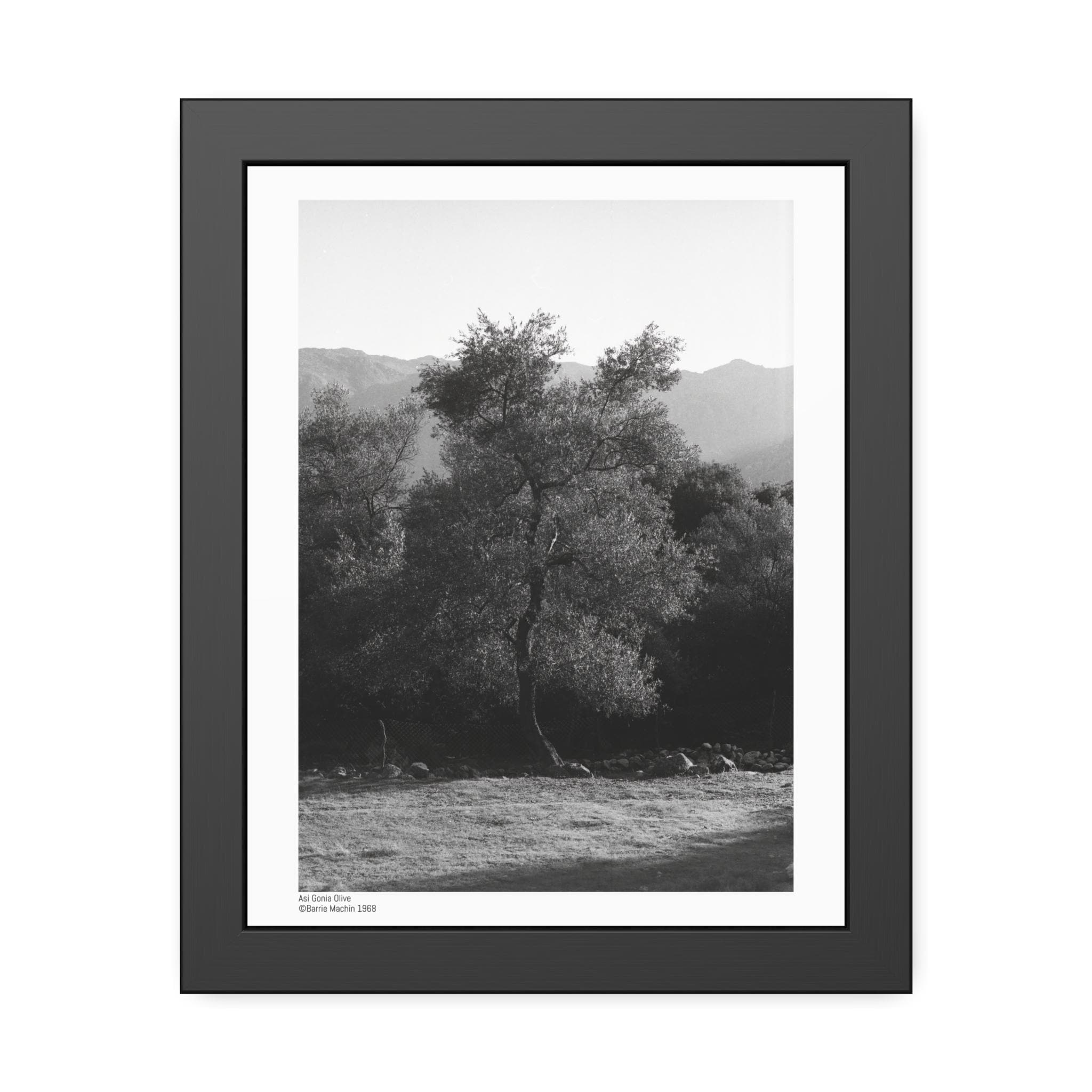
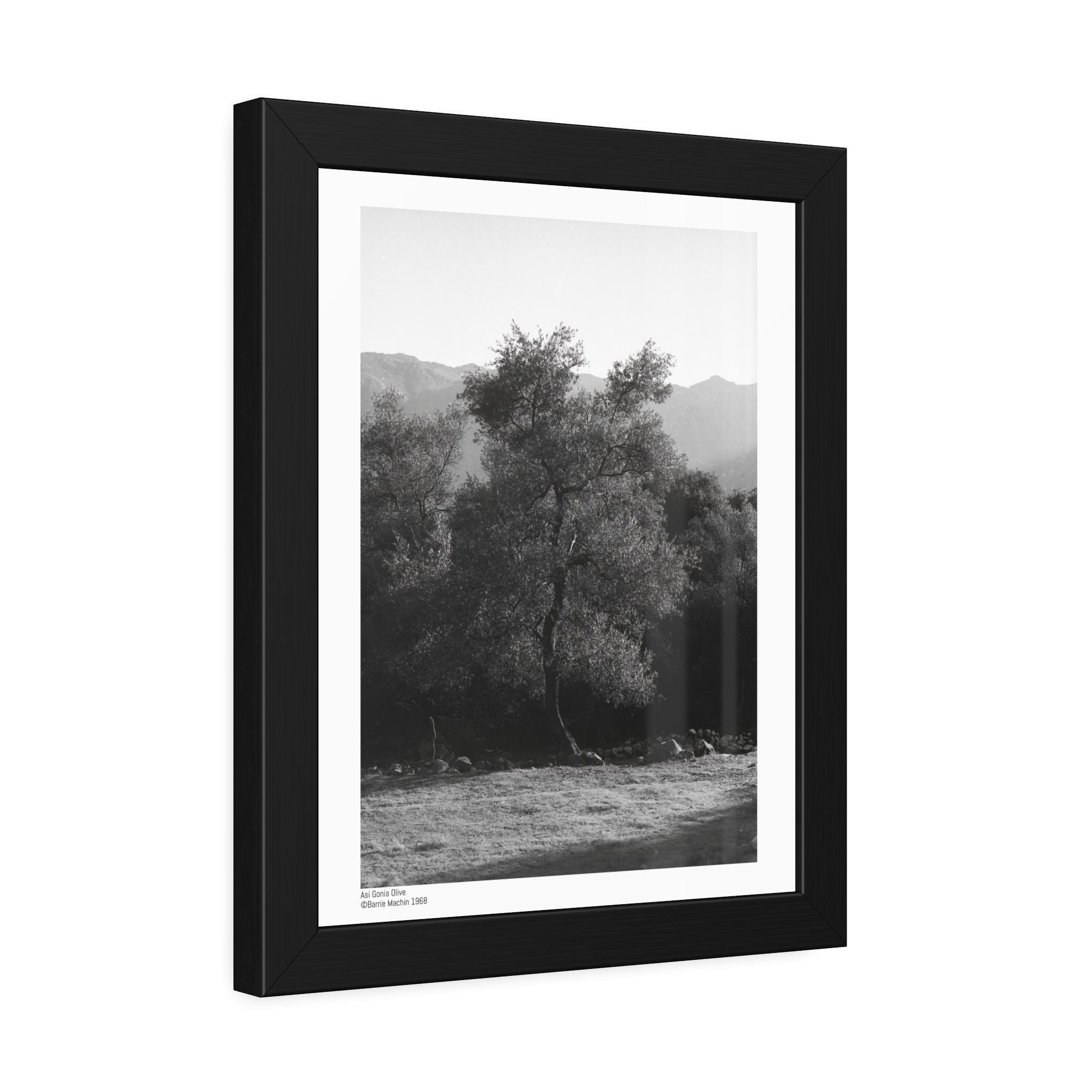
Asi Gonia Exhibition Olive tree 1968
AU$ 99.27

Warriors and Maidens
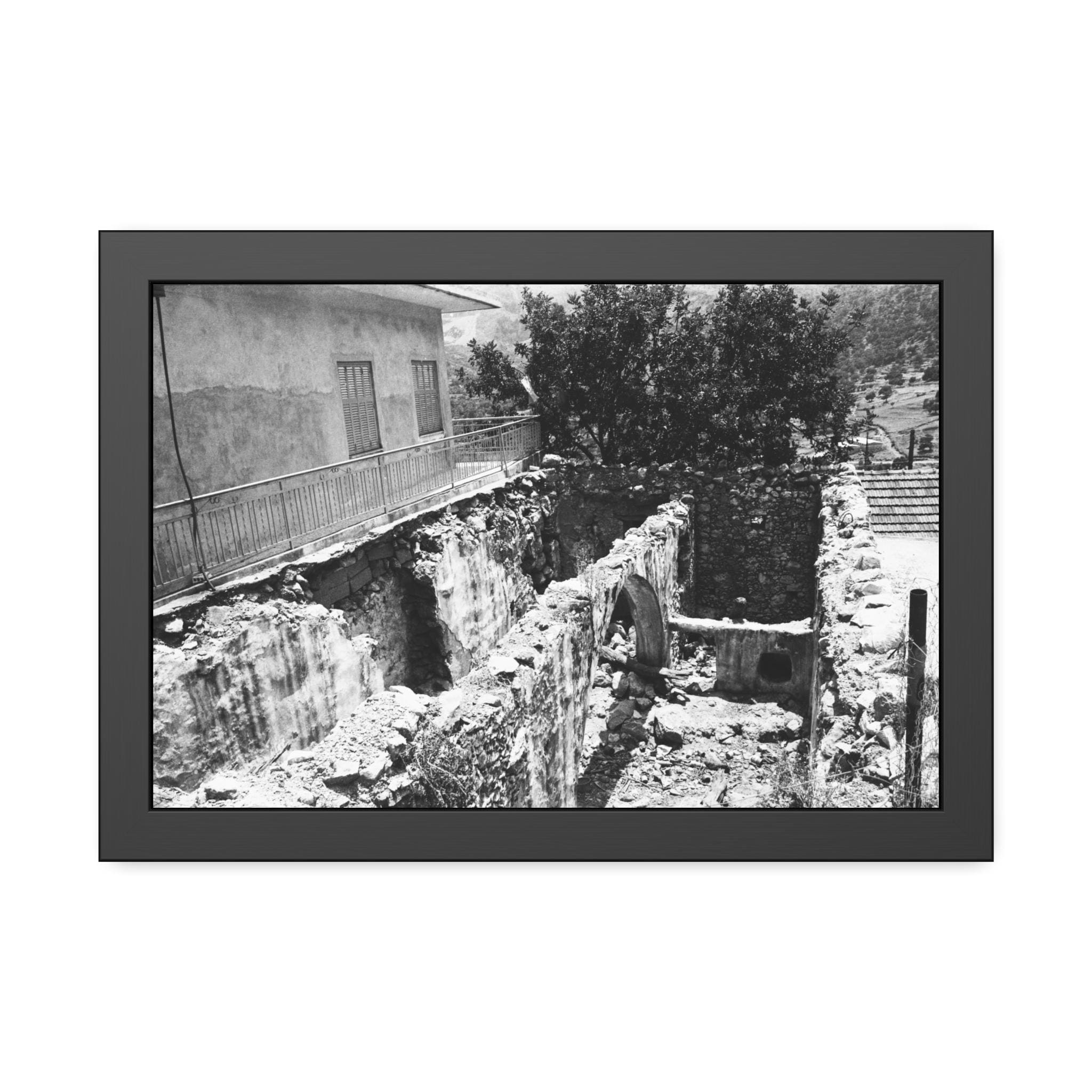
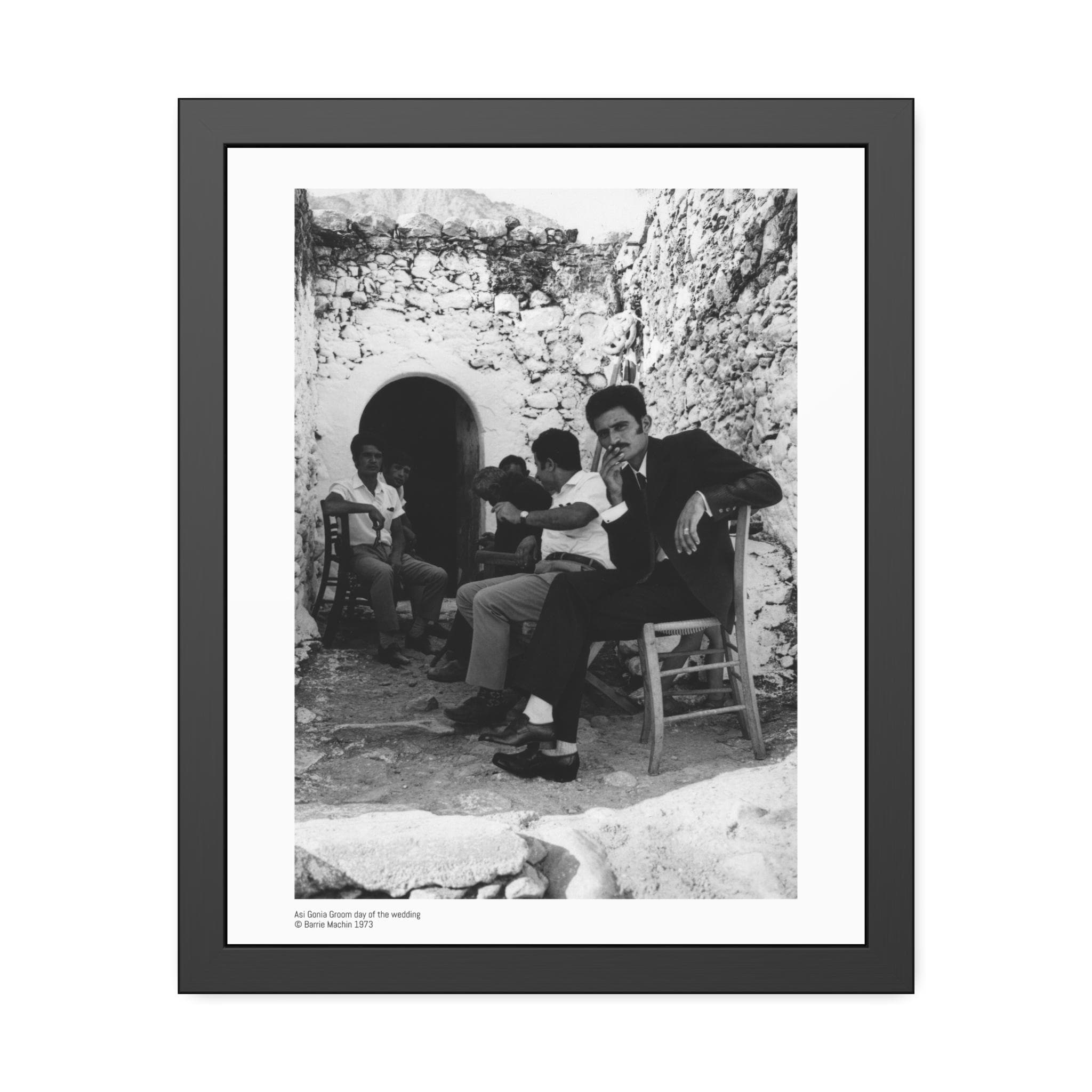
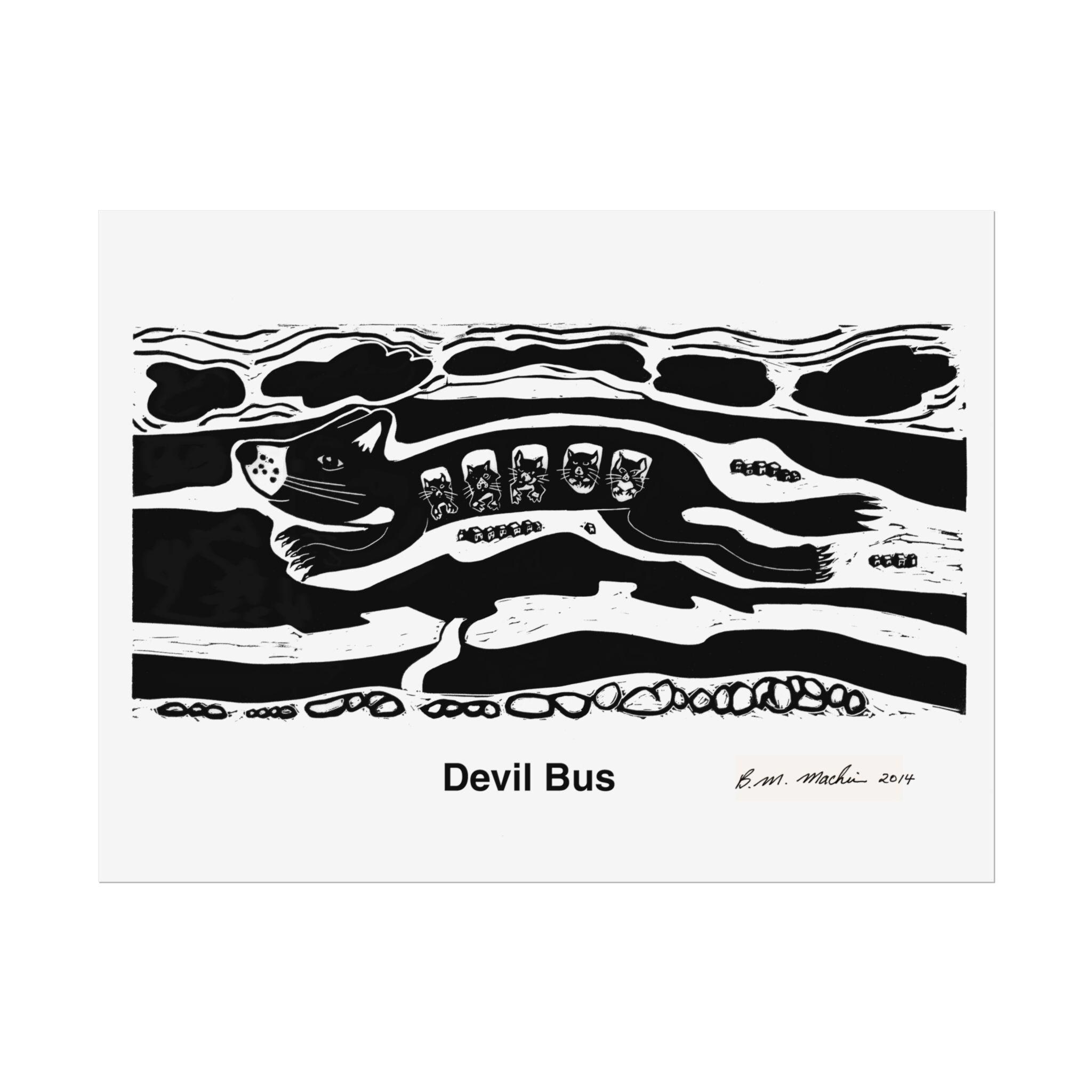
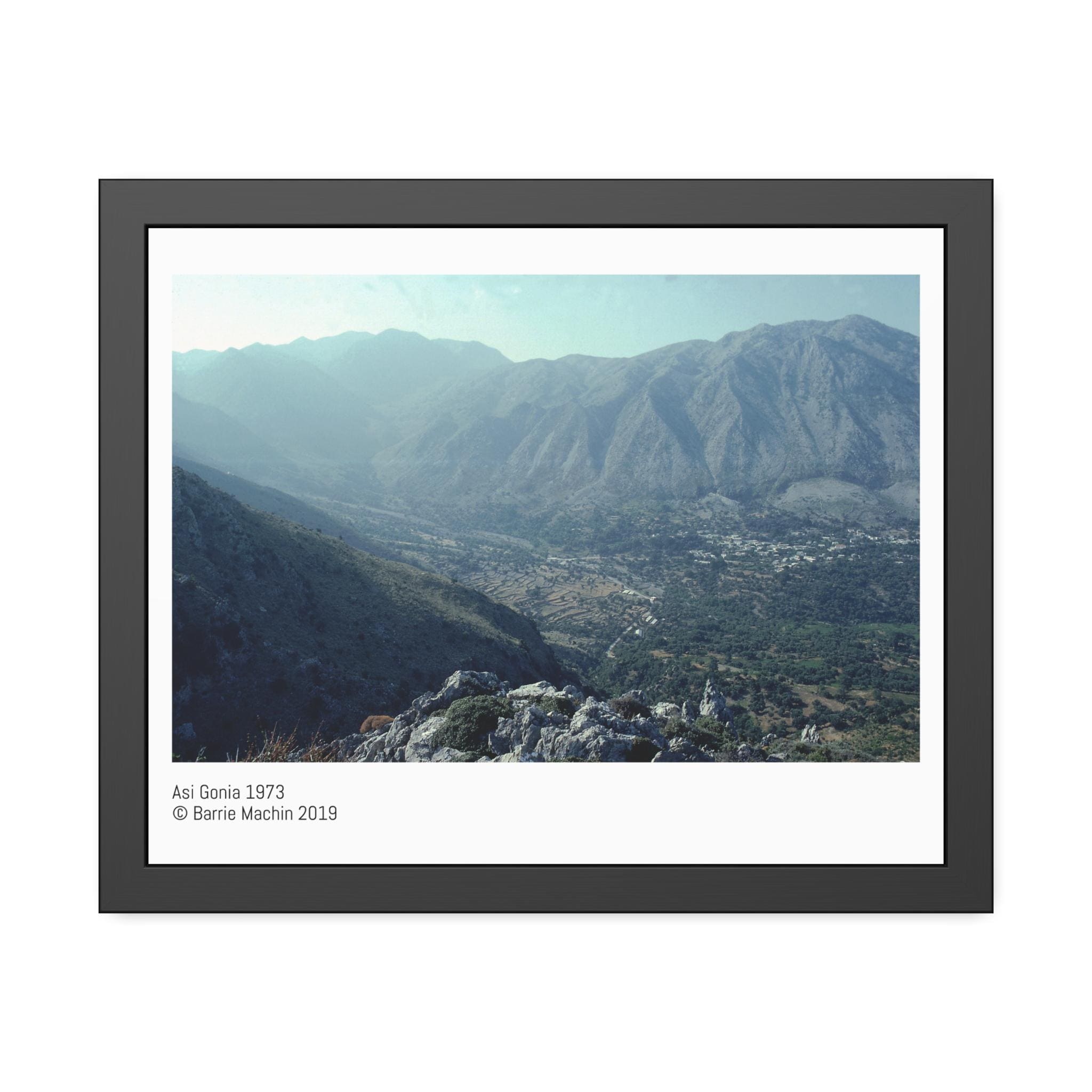
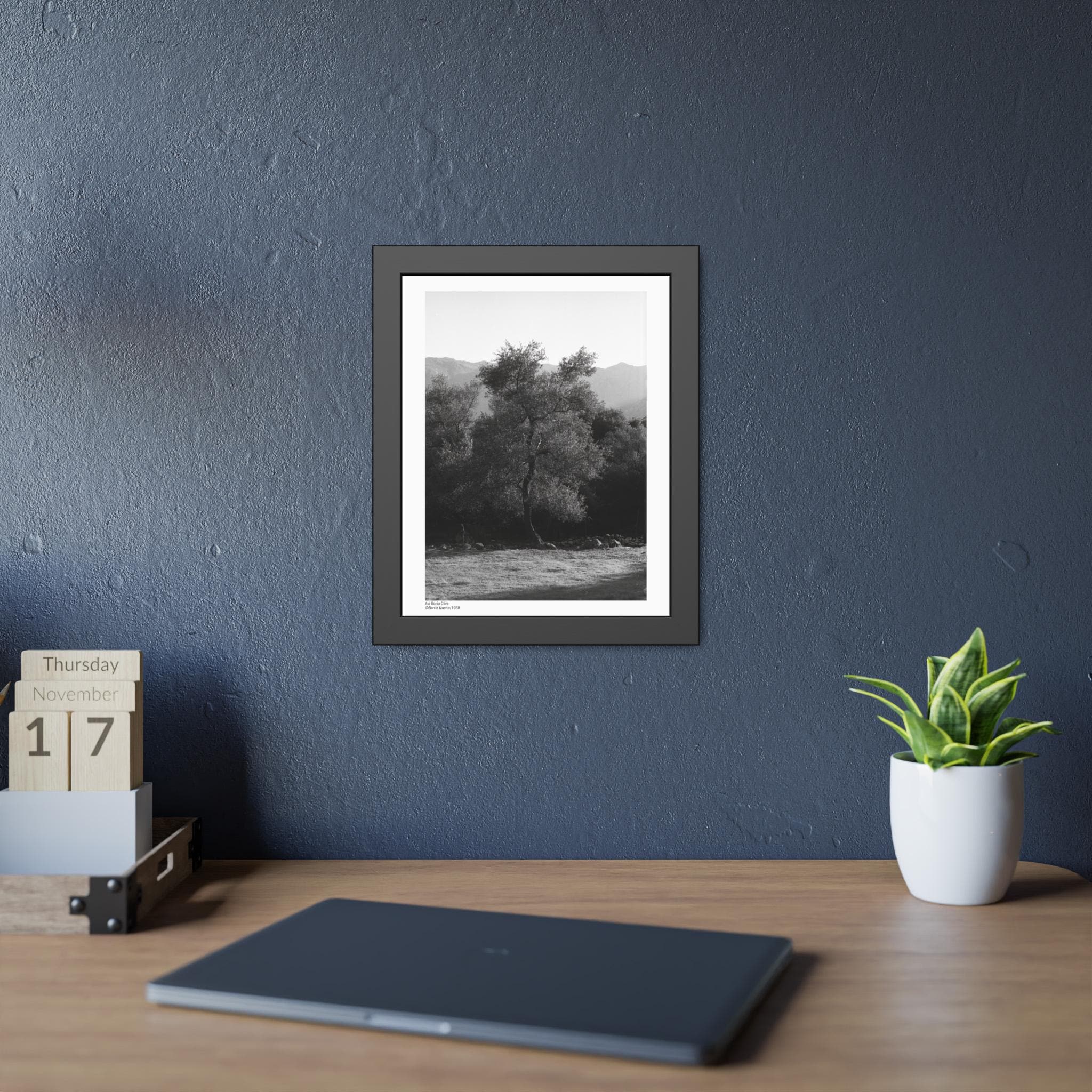
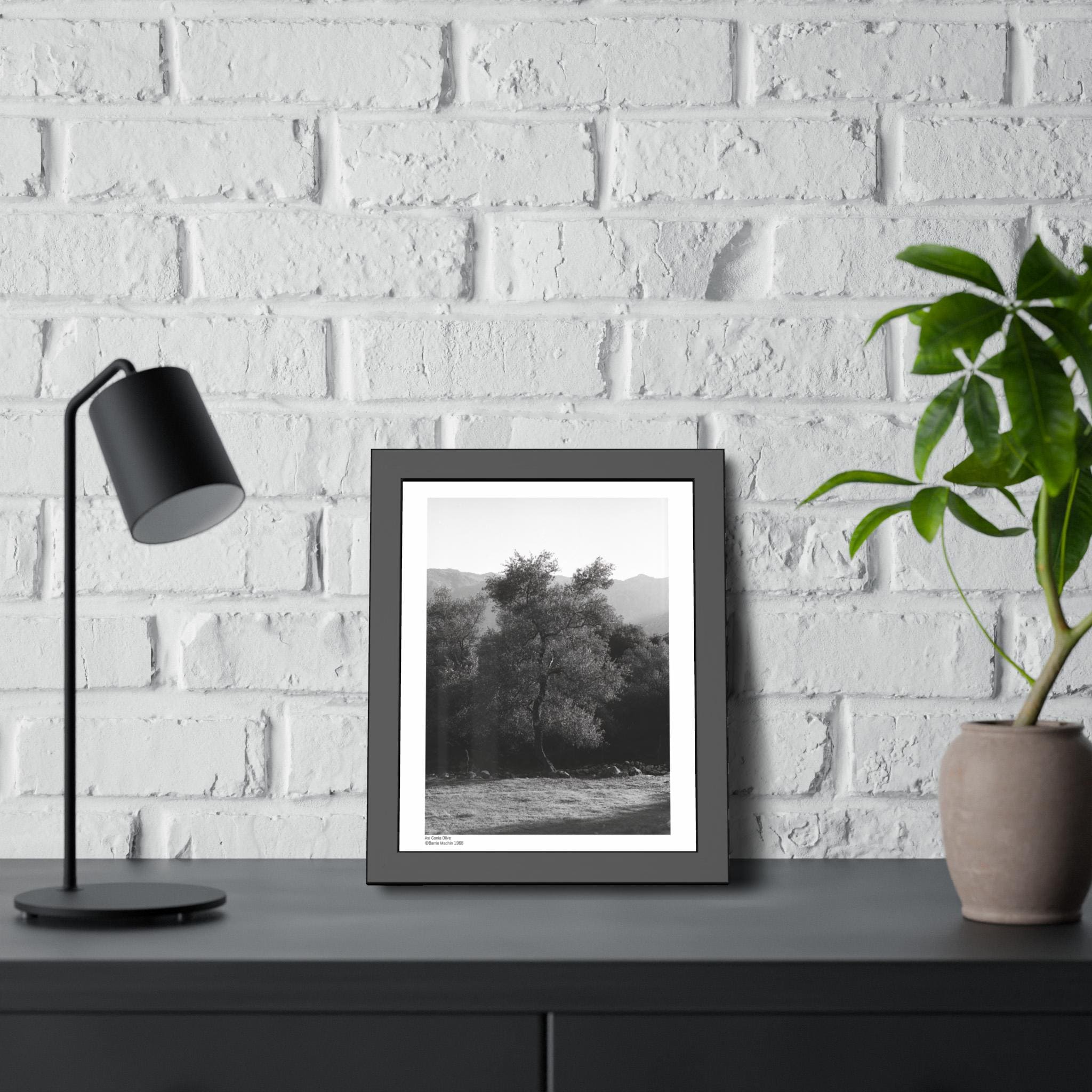
The village has not always been located in its present position. There is archaeological evidence that suggests that, un-der the impact of invasion, villagers sought more protected and concealed sites. Other aspects of the village indicate a history of defence. For example, it is said that houses are packed together for ease of escape. From above, the mud roofs look like fields, serving to camouflage the dwellings be- neath. Inhabitants insist that the name of their village was given to them during the Turkish period, and that it means ‘insubordinate’ or ‘those who refuse to pay taxes.’ (Andriotis 1983 Etymological dictionary of Modern Greek gives ἀσίκις asikis which means pallikaras (παλληκαράς) including levendhi λεβέντης. This gives a possible source for the actual name of the village.) For thousands of years Crete proved an attractive prey for in-vaders with its mild climate, strategic position and profusion of natural products such as oak, pine, olives, oil, wine, fruit, goats and sheep, wool, flax, cotton, silk, milk and honey. Ro- mans, Arabs, Venetians, Turks, Egyptians and Germans have occupied it in turn. Before the Roman invasion of 67 BC, Crete had a long his- tory of internal warfare. In Minoan times, it was also famedfor its piracy and mercantile activity (Freese 1897; Bradford 1970). It was in response to Cretan piracy that Rome invaded Crete. In AD 47, St. Paul began to convert Cretans to Christianity; after A.D. 73, Crete became part of the Byzan- tine Empire and tradition (Freese 1897). This influence was interrupted for 150 years by the Arab occupation, but Byzantium recovered Crete in AD 961 (Llewellyn-Smith 1965: 12–23). The remaining land was subject to quarrels over ownership (Miller 1921; Warren 1972). These effects are still felt today. A quietly powerful framed paper poster that brings the calm of open fields and distant mountains into your room. Rendered in rich black-and-white tones, the print sits behind shatter-proof plexiglass inside a matte black pinewood frame that feels both modern and warm. The subtle white border around the image gives it breathing room on the wall, while the fine art or semi-gloss paper options let you choose the texture and finish that best suits your space. It arrives ready to hang with pre-installed hardware and rubber bumpers, so you can place it immediately above a desk, entry table, or beside a gallery wall. Whether you’re settling into a quiet reading corner or creating a minimalist display, this framed poster settles the eye and invites a slow, reflective pause.Product features - Choice of fine art (310 gsm) or semi-gloss (260 gsm) paper finishes - 100% pinewood matte black frame with brown paper backing - Shatter-proof plexiglass protection - Pre-installed hanging hardware and rubber bumpers for easy, straight mounting - Available in 10 sizes, horizontal and vertical orientationsCare instructions - Clean framed prints with a slightly wet cloth when necessary.
The village has not always been located in its present position. There is archaeological evidence that suggests that, un-der the impact of invasion, villagers sought more protected and concealed sites. Other aspects of the village indicate a history of defence. For example, it is said that houses are packed together for ease of escape. From above, the mud roofs look like fields, serving to camouflage the dwellings be- neath. Inhabitants insist that the name of their village was given to them during the Turkish period, and that it means ‘insubordinate’ or ‘those who refuse to pay taxes.’ (Andriotis 1983 Etymological dictionary of Modern Greek gives ἀσίκις asikis which means pallikaras (παλληκαράς) including levendhi λεβέντης. This gives a possible source for the actual name of the village.) For thousands of years Crete proved an attractive prey for in-vaders with its mild climate, strategic position and profusion of natural products such as oak, pine, olives, oil, wine, fruit, goats and sheep, wool, flax, cotton, silk, milk and honey. Ro- mans, Arabs, Venetians, Turks, Egyptians and Germans have occupied it in turn. Before the Roman invasion of 67 BC, Crete had a long his- tory of internal warfare. In Minoan times, it was also famedfor its piracy and mercantile activity (Freese 1897; Bradford 1970). It was in response to Cretan piracy that Rome invaded Crete. In AD 47, St. Paul began to convert Cretans to Christianity; after A.D. 73, Crete became part of the Byzan- tine Empire and tradition (Freese 1897). This influence was interrupted for 150 years by the Arab occupation, but Byzantium recovered Crete in AD 961 (Llewellyn-Smith 1965: 12–23). The remaining land was subject to quarrels over ownership (Miller 1921; Warren 1972). These effects are still felt today. A quietly powerful framed paper poster that brings the calm of open fields and distant mountains into your room. Rendered in rich black-and-white tones, the print sits behind shatter-proof plexiglass inside a matte black pinewood frame that feels both modern and warm. The subtle white border around the image gives it breathing room on the wall, while the fine art or semi-gloss paper options let you choose the texture and finish that best suits your space. It arrives ready to hang with pre-installed hardware and rubber bumpers, so you can place it immediately above a desk, entry table, or beside a gallery wall. Whether you’re settling into a quiet reading corner or creating a minimalist display, this framed poster settles the eye and invites a slow, reflective pause.Product features - Choice of fine art (310 gsm) or semi-gloss (260 gsm) paper finishes - 100% pinewood matte black frame with brown paper backing - Shatter-proof plexiglass protection - Pre-installed hanging hardware and rubber bumpers for easy, straight mounting - Available in 10 sizes, horizontal and vertical orientationsCare instructions - Clean framed prints with a slightly wet cloth when necessary.